CRM Software for Small Business revolutionizes how small enterprises manage customer relationships, paving the way for growth and success. From enhancing customer interactions to optimizing sales processes, this guide delves into the transformative power of CRM software tailored for small businesses.
Exploring key features, customization options, integration possibilities, and more, this comprehensive overview equips small business owners with the tools needed to thrive in today’s competitive market.
Introduction to CRM Software for Small Business
Customer Relationship Management (CRM) software is a powerful tool designed to help small businesses manage interactions with current and potential customers. It serves as a centralized platform to organize customer data, track communication, and streamline sales and marketing processes.
The Importance of CRM Software for Small Businesses
- Improves customer relationships by providing a 360-degree view of customer interactions.
- Enhances customer satisfaction through personalized communication and targeted marketing campaigns.
- Boosts sales and revenue by identifying opportunities and tracking leads effectively.
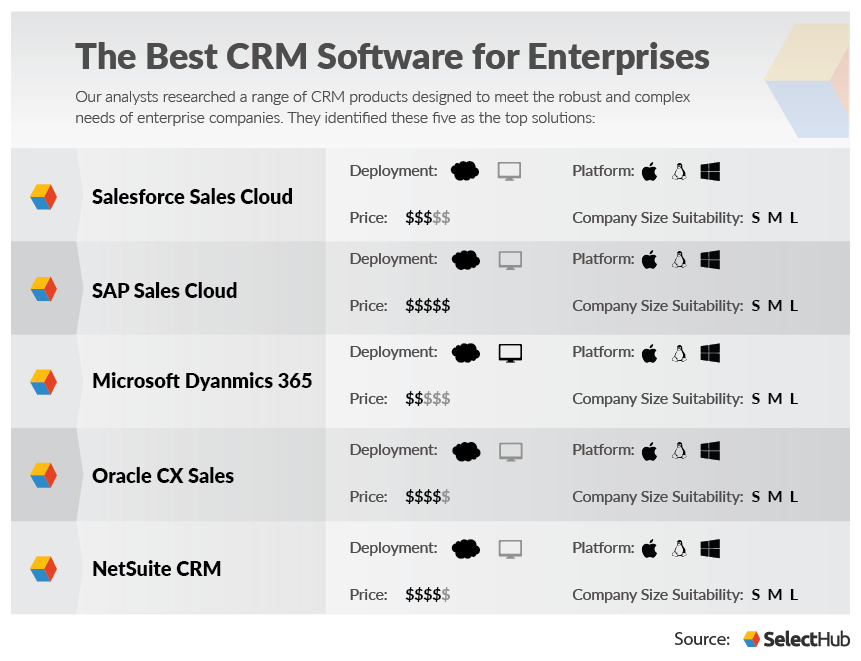
Popular CRM Software Options for Small Businesses
| CRM Software | Key Features | Pricing | Scalability |
|---|---|---|---|
| Zoho CRM | Lead management, email integration, analytics | Starting at $12/user/month | Scalable for growing businesses |
| HubSpot CRM | Contact management, pipeline tracking, reporting | Free basic plan available | Offers advanced features for scaling |
Implementing CRM Software in a Small Business Setting
- Define your business needs and goals for CRM implementation.
- Choose a CRM software that aligns with your requirements and budget.
- Import and organize existing customer data into the CRM system.
- Train employees on how to use the CRM software effectively.
- Monitor and evaluate the performance of the CRM system regularly.
Customizing CRM Software for Specific Industry Needs
Small businesses can tailor CRM software by customizing fields, workflows, and reports to suit the unique requirements of their industry. For example, a retail business may focus on customer loyalty programs while a service-based business may prioritize appointment scheduling features.
Benefits of Using CRM Software for Small Business
Implementing CRM software can bring numerous benefits to small businesses, ranging from improved customer relationships to streamlined processes and increased efficiency. Let’s take a closer look at how CRM software can positively impact small businesses.
Streamlined Sales Processes
- Centralized Customer Data: CRM software allows small businesses to store all customer information in one place, providing easy access to sales teams.
- Automated Tasks: With CRM software, repetitive tasks like data entry, follow-ups, and lead tracking can be automated, saving time and reducing manual errors.
- Improved Communication: CRM software enables better communication within the sales team, ensuring everyone is on the same page regarding customer interactions.
Enhanced Marketing Strategies
- Targeted Campaigns: CRM software helps small businesses segment their customer base and create targeted marketing campaigns based on customer preferences and behaviors.
- Personalized Messaging: By analyzing customer data, businesses can personalize marketing messages and offers, increasing engagement and conversion rates.
- Lead Nurturing: CRM software allows businesses to track leads through the sales funnel, ensuring timely follow-ups and personalized communication to nurture leads effectively.
Impact on Customer Retention and Loyalty
- Improved Customer Service: CRM software enables businesses to provide personalized and timely customer service, leading to higher customer satisfaction and retention.
- Customer Insights: By analyzing customer data and interactions, small businesses can gain valuable insights into customer preferences and behaviors, allowing them to tailor their products and services accordingly.
- Enhanced Loyalty Programs: CRM software can help businesses design and implement loyalty programs that reward repeat customers, fostering long-term relationships and loyalty.
Customization Options in CRM Software for Small Business
Customization is a crucial aspect of CRM software for small businesses, allowing companies to tailor the platform to their specific needs and workflows. By taking advantage of customization features, businesses can optimize their CRM efforts and scale effectively.
Examples of Customization Features
- Customizable Fields: Small businesses can create unique fields to capture specific data relevant to their industry or customer base.
- Workflow Customization: Businesses can design workflows that align with their sales processes, ensuring a seamless flow of information and tasks.
- Custom Reports: Companies can generate reports tailored to their key performance indicators (KPIs) and metrics, providing valuable insights for decision-making.
Importance of Customization in CRM
Customization in CRM software is essential for small businesses as it allows them to adapt the platform to their unique requirements. By customizing fields, workflows, and reports, companies can enhance efficiency, improve data accuracy, and ultimately drive growth.
Comparison Table of Customization Options
| CRM Software | Customizable Fields | Workflow Customization | Custom Reports |
|---|---|---|---|
| HubSpot CRM | Yes | Yes | Yes |
| Zoho CRM | Yes | Yes | Yes |
| Salesforce CRM | Yes | Yes | Yes |
Setting Up Customized Fields in CRM Software
Creating customized fields in CRM software tailored for a specific industry involves:
- Accessing the CRM system’s settings or customization tab.
- Selecting the option to add a new custom field.
- Defining the field type, label, and properties based on the data to be captured.
- Assigning the custom field to relevant forms or records within the CRM.
Case Study: Small Business Success with CRM Customization
ABC Company, a small e-commerce retailer, significantly benefited from customizing their CRM software. By creating custom fields for tracking customer preferences and designing tailored workflows for order processing, ABC Company improved customer satisfaction and streamlined operations, resulting in a 20% increase in sales within six months.
Integrations with Other Tools for Small Business CRM Software
Integrating CRM software with other tools can significantly enhance the efficiency and productivity of small businesses. By seamlessly connecting different platforms, businesses can streamline processes, improve communication, and gain valuable insights into customer interactions.
Email Marketing Platforms Integration
- Email marketing platforms like Mailchimp, Constant Contact, or HubSpot can be integrated with CRM software to create targeted campaigns based on customer data stored in the CRM system.
- This integration allows businesses to track email interactions, monitor campaign performance, and personalize communication with customers, leading to higher engagement and conversion rates.
Accounting Software Integration
- Integrating CRM software with accounting tools such as QuickBooks or Xero enables seamless data flow between sales and financial transactions.
- This integration helps businesses track invoices, payments, and financial metrics within the CRM system, providing a comprehensive view of customer interactions and financial health.
Selecting CRM Software with Easy Integrations
- When choosing CRM software for small businesses, it is essential to prioritize solutions that offer easy integrations with existing tools.
- Look for CRM platforms that provide built-in integrations with popular business tools or offer a wide range of third-party connectors to ensure seamless connectivity.
CRM and Project Management Tools Integration
- Integrating CRM software with project management tools like Asana, Trello, or Monday.com can improve collaboration, task management, and project tracking for small businesses.
- This integration allows teams to access customer data, project details, and task assignments in one centralized platform, enhancing efficiency and productivity.
Real-Time Synchronization with Customer Support Platforms
- Real-time synchronization between CRM software and customer support platforms such as Zendesk or Freshdesk ensures that customer data and interactions are updated instantly across systems.
- This integration enables customer support teams to access relevant information quickly, provide personalized service, and resolve issues more efficiently, ultimately enhancing customer satisfaction.
Mobile Accessibility and CRM Software for Small Business
Mobile accessibility is crucial for small businesses utilizing CRM software, as it allows owners and employees to stay connected and productive on-the-go. Having mobile access to CRM tools ensures that important data and customer insights are always at their fingertips, enabling timely responses and informed decision-making.
Advantages of Mobile Accessibility in CRM Software
- Increased Flexibility: Small business owners and employees can access CRM data anytime, anywhere, providing flexibility in managing customer relationships.
- Enhanced Efficiency: Mobile CRM apps enable quick updates, task management, and communication, streamlining business processes and improving productivity.
- Improved Customer Service: With mobile access to CRM software, small businesses can respond promptly to customer inquiries, resolve issues on-the-go, and deliver personalized experiences.
Tasks Efficiently Performed Using CRM Mobile Applications
- Updating Customer Information: Easily add or update customer details, interactions, and notes while meeting clients or attending events.
- Managing Tasks and Calendar: Stay organized by scheduling appointments, setting reminders, and tracking follow-ups directly from your mobile device.
- Tracking Sales Activities: Monitor sales progress, view pipeline stages, and analyze performance metrics to make informed sales decisions in real-time.
Contribution to Improved Productivity and Decision-Making
- Real-Time Updates: Instant access to CRM data ensures that small business owners and employees are always up-to-date, allowing for quick responses and informed actions.
- Increased Collaboration: Mobile accessibility fosters teamwork by enabling seamless communication and sharing of information among team members, leading to better collaboration and decision-making.
- Quick Decision-Making: With mobile CRM apps, small businesses can make critical decisions promptly based on real-time insights and customer interactions, enhancing agility and competitiveness.
Data Security and Privacy Features in CRM Software for Small Business
When it comes to managing customer data, data security and privacy are paramount for small businesses. Reputable CRM software providers offer various features to ensure the protection of sensitive information and compliance with data privacy regulations.
Data Security Measures
- Encryption: CRM software providers use encryption techniques to secure data both in transit and at rest, ensuring that customer information is protected from unauthorized access.
- Access Controls: By implementing strict access controls, CRM software allows small businesses to restrict data access to authorized personnel only, reducing the risk of data breaches.
- Regular Security Updates: Reputable CRM software providers regularly update their systems to patch vulnerabilities and enhance security measures, keeping customer data safe from potential threats.
Importance of Compliance
- Compliance with Data Privacy Regulations: Small businesses must choose CRM software that complies with data privacy regulations such as GDPR or CCPA to avoid legal repercussions and maintain customer trust.
- Data Handling Policies: CRM software should have clear data handling policies in place to ensure that customer information is processed and stored securely, in line with privacy regulations.
Ensuring Data Security
- Employee Training: Providing training to employees on data security best practices can help prevent accidental data leaks and ensure that sensitive customer information is handled with care.
- Data Backup: Regularly backing up data ensures that small businesses can recover information in case of data loss or security breaches, minimizing the impact on operations.
- Regular Security Audits: Conducting regular security audits can help small businesses identify vulnerabilities in their CRM software and take proactive measures to address potential risks.
Pricing Models for CRM Software for Small Business
When it comes to CRM software for small businesses, understanding the different pricing models available is crucial to finding a solution that fits your budget and needs. Let’s explore the various pricing models, factors influencing costs, tips for selecting a cost-effective option, and analyzing the return on investment (ROI) of investing in CRM software.
Types of Pricing Models
- Subscription-Based: This model involves paying a monthly or annual fee for access to the CRM software. It is a popular choice for small businesses as it allows for predictable expenses.
- Per-User Pricing: Some CRM software providers charge based on the number of users accessing the system. This can be cost-effective for small businesses with a limited number of users.
- Free and Open-Source: There are free or open-source CRM software options available, but they may come with limitations in terms of features and support.
Factors Influencing Cost
- Features and Functionality: The more advanced features and customization options a CRM software offers, the higher the cost is likely to be.
- Integration Capabilities: CRM software that seamlessly integrates with other tools and platforms may come at a higher price point.
- Scalability: Consider your business growth and whether the CRM software can scale along with your needs without significant cost increases.
Tips for Selecting a Cost-Effective CRM Software
- Identify Your Needs: Determine the essential features your business requires in a CRM software to avoid paying for unnecessary functionalities.
- Consider Scalability: Choose a CRM solution that can grow with your business to avoid frequent software changes and additional costs.
- Compare Pricing: Research and compare different CRM software options to find the best value for money without sacrificing critical features.
ROI Analysis of CRM Software Investment
- Improved Efficiency: CRM software can streamline processes, improve customer interactions, and boost productivity, leading to cost savings and revenue growth.
- Enhanced Customer Relationships: Better customer data management and personalized marketing efforts can result in increased customer retention and loyalty.
- Time Savings: Automating tasks and workflows with CRM software can free up time for employees to focus on revenue-generating activities.
Training and Support Options for Small Business CRM Software
Implementing CRM software in a small business requires proper training and support to ensure successful adoption and utilization by the team.
Training Resources Provided by CRM Software Vendors
- Online tutorials and guides for self-paced learning.
- Webinars and virtual training sessions for interactive learning.
- In-person training sessions for hands-on experience.
Importance of User Training and Onboarding
- Proper training reduces the learning curve and boosts productivity.
- Onboarding ensures that all team members understand how to effectively use the CRM software.
- Training promotes user confidence and encourages full utilization of the software’s features.
Customer Support Options for Small Businesses
- 24/7 customer support via phone, email, or live chat for immediate assistance.
- Online help center with FAQs, troubleshooting guides, and user forums for self-help.
- Dedicated account managers or support teams for personalized assistance.
Best Practices for Successful Adoption of CRM Software
- Provide ongoing training to keep the team updated on new features and functionalities.
- Encourage feedback from users to address any issues or areas for improvement.
- Create a support system within the organization to help users troubleshoot common problems.
Case Studies of Small Businesses Using CRM Software
CRM software has become an essential tool for small businesses looking to streamline their customer relationship management processes. Let’s explore some real-life examples of small businesses that have successfully implemented CRM software and the impact it has had on their operations.
Benefits of Implementing CRM Software for Small Businesses
- Case Study 1: XYZ Clothing Boutique
- XYZ Clothing Boutique, a small retail store, implemented a CRM software solution to manage customer contacts, track sales, and analyze customer behavior. As a result, they were able to personalize marketing campaigns, improve customer service, and increase sales by 20% within the first year of implementation.
- Case Study 2: ABC Tech Solutions
- ABC Tech Solutions, a small IT consulting firm, adopted CRM software to centralize customer data, automate follow-up processes, and track customer interactions. This led to a 30% reduction in response time, improved customer satisfaction, and a 15% increase in customer retention rates.
Key Takeaways for Small Businesses
- Customization: Choose a CRM software that offers customization options to tailor the system to your specific business needs.
- Integration: Look for CRM software that can seamlessly integrate with other tools and systems used in your business for enhanced efficiency.
- Training and Support: Ensure that the CRM software provider offers adequate training and support to help you make the most of the system.
Selecting the Right CRM Software for Your Small Business
- Define your business requirements and objectives before evaluating CRM software options.
- Consider factors such as scalability, pricing models, and user-friendliness when choosing a CRM software solution.
- Request demos and trial periods to test the functionality and compatibility of different CRM software options with your business operations.
Trends and Future Developments in CRM Software for Small Business
As technology continues to evolve, CRM software for small businesses is also undergoing various trends and developments to meet the changing needs of organizations. Let’s explore some of the emerging trends and future advancements in CRM software tailored for small businesses:
Advancements in AI and Automation
AI and automation are becoming integral parts of CRM software, enabling small businesses to automate repetitive tasks, analyze customer data more efficiently, and provide personalized customer experiences at scale. These advancements are expected to streamline processes and enhance productivity for small businesses.
Voice Assistants and Chatbots Integration
The integration of voice assistants and chatbots in CRM software for small businesses can revolutionize customer interactions. These tools can provide instant support, gather customer data, and assist in lead generation, ultimately improving customer satisfaction and engagement.
Data Analytics and Machine Learning
Data analytics and machine learning tools are playing a crucial role in enhancing customer relationship management for small businesses. These technologies help in predicting customer behavior, identifying trends, and optimizing marketing strategies, leading to more targeted and effective campaigns.
Personalized Marketing Strategies
CRM software allows small businesses to implement personalized marketing strategies by leveraging customer data. Through segmentation, targeting, and automation, businesses can deliver tailored messages to their audience, resulting in higher conversion rates and customer loyalty.
Mobile Optimization and Cloud-Based Solutions
With the increasing reliance on mobile devices, CRM software is evolving to offer mobile optimization and cloud-based solutions. This allows small businesses to access their CRM system anytime, anywhere, facilitating remote work, real-time updates, and seamless collaboration among team members.
Summary
In conclusion, CRM Software for Small Business offers a strategic advantage by fostering stronger customer relationships, boosting sales efficiency, and driving business growth. By leveraging the insights shared in this guide, small businesses can unlock their full potential and achieve lasting success in the digital age.
