Starting with Top Cloud-Based CRM Platforms, this guide aims to provide a detailed overview of the leading CRM solutions available in the cloud.
From Salesforce CRM to HubSpot CRM, Zoho CRM, Microsoft Dynamics 365, Oracle CRM, Pipedrive, and Freshworks CRM, we will explore the features, benefits, and customization options of each platform.

Overview of Top Cloud-Based CRM Platforms
Cloud-based CRM platforms are customer relationship management software solutions that are hosted and accessed online. These platforms offer businesses a centralized system to manage interactions with customers, prospects, and potential leads.
Advantages of using CRM platforms in the cloud include:
- Accessibility: Users can access the CRM system from anywhere with an internet connection, making it convenient for remote work and collaboration.
- Scalability: Cloud-based CRM platforms can easily scale up or down based on the needs of the business, allowing for flexibility as the company grows.
- Cost-effectiveness: With no need for on-premise hardware or maintenance, cloud-based CRM solutions can be more cost-effective for businesses.
- Automatic Updates: Cloud-based CRM platforms are regularly updated by the provider, ensuring that users always have access to the latest features and security patches.
Businesses are increasingly adopting cloud-based CRM solutions due to the many benefits they offer. The scalability, accessibility, and cost-effectiveness of cloud-based CRM platforms make them an attractive option for companies looking to streamline their customer management processes and improve efficiency.
Salesforce CRM
Salesforce CRM is a widely-used cloud-based customer relationship management platform known for its robust features and capabilities. It offers a comprehensive suite of tools to help businesses manage customer relationships, sales, marketing, and more effectively.
Features and Capabilities of Salesforce CRM
- Lead Management: Salesforce CRM allows users to track and manage leads throughout the sales pipeline.
- Opportunity Management: Users can track sales opportunities, including deal size, stage, and probability of closure.
- Contact Management: Easily store and manage customer contact information in one centralized location.
- Workflow Automation: Automate repetitive tasks and streamline business processes for improved efficiency.
- Reporting and Analytics: Generate detailed reports and gain valuable insights into sales performance and customer behavior.
Comparison with Other Leading Cloud-Based CRM Platforms
- Salesforce CRM vs. HubSpot CRM: Salesforce offers more advanced customization options and integrations compared to HubSpot CRM.
- Salesforce CRM vs. Zoho CRM: Zoho CRM is more budget-friendly for small businesses, while Salesforce CRM is preferred by larger enterprises for its scalability.
Pricing Structure and Available Editions
Salesforce CRM offers various editions, including Essentials, Professional, Enterprise, and Unlimited, catering to different business needs and sizes. Pricing varies based on the selected edition and required features.
Setting Up a Basic Salesforce CRM Account
- Go to the Salesforce website and click on the “Start Your Free Trial” button.
- Fill in the required information to create an account.
- Follow the prompts to set up your basic CRM account, including customizing fields and workflows.
Customization Options in Salesforce CRM
Salesforce CRM provides extensive customization options, allowing users to tailor the platform to their specific business requirements. This includes creating custom objects, fields, workflows, and reports.
Integrations and Third-Party Apps
| Salesforce CRM | Competitors |
|---|---|
| Native integrations with Salesforce Inbox, Tableau CRM, and Pardot | HubSpot CRM offers integrations with Mailchimp, Shopify, and Slack |
Security Measures in Salesforce CRM
Salesforce CRM employs robust security measures, including data encryption, user authentication, and role-based access control, to protect sensitive customer data.
Successful Implementations of Salesforce CRM
- Companies like Coca-Cola, Amazon, and Toyota have successfully implemented Salesforce CRM to improve customer engagement, streamline sales processes, and drive revenue growth.
- Small businesses in various industries, such as retail, healthcare, and technology, have also benefited from Salesforce CRM’s scalability and customization options.
HubSpot CRM
HubSpot CRM is a popular cloud-based customer relationship management platform that offers a wide range of functionalities to help businesses manage their customer interactions effectively.
One of the key functionalities of HubSpot CRM includes:
Key Functionalities
- Lead Management: HubSpot CRM allows users to easily capture, organize, and track leads throughout the sales pipeline.
- Contact Management: Users can store and manage all customer information in one centralized location.
- Email Integration: Seamless integration with email platforms for efficient communication with customers.
- Sales Automation: Automate repetitive tasks and streamline the sales process for increased efficiency.
Some of the unique selling points of HubSpot CRM are:
Unique Selling Points
- All-in-one Platform: HubSpot CRM offers a comprehensive suite of tools for marketing, sales, and customer service in one platform.
- User-Friendly Interface: Intuitive design and easy-to-use interface make it simple for users to navigate and utilize the platform effectively.
- Integration Capabilities: HubSpot CRM seamlessly integrates with a wide range of third-party apps and tools to enhance functionality and customization.
- Scalability: The platform is suitable for businesses of all sizes, from small startups to large enterprises, and can scale along with business growth.
Success stories and case studies of businesses using HubSpot CRM:
Success Stories
Company XYZ saw a 30% increase in sales revenue within the first year of implementing HubSpot CRM, thanks to improved lead tracking and sales automation.
Business ABC streamlined their marketing efforts and saw a 50% increase in lead generation after integrating HubSpot CRM with their existing systems.
Zoho CRM
Zoho CRM is a cloud-based customer relationship management platform that offers a wide range of modules and integrations to help businesses streamline their sales, marketing, and customer support processes.
Different Modules and Integrations Offered by Zoho CRM
Zoho CRM provides modules for sales force automation, marketing automation, customer support, inventory management, and more. It also offers integrations with popular tools like G Suite, MailChimp, QuickBooks, and Slack to enhance functionality and efficiency.
Examples of Industries or Businesses Benefiting Most from Zoho CRM
Businesses in industries such as real estate, e-commerce, IT services, and healthcare benefit greatly from Zoho CRM. Its customizable features and scalability make it suitable for businesses of all sizes.
Customization and Scalability in Zoho CRM
Zoho CRM supports customization through its flexible configuration options, allowing businesses to tailor the platform to their specific needs. Additionally, its scalability ensures that businesses can expand their operations without outgrowing the system.
Setting Up a New Module in Zoho CRM
To set up a new module in Zoho CRM, follow these steps:
- Go to the “Settings” in Zoho CRM.
- Click on “Modules and Fields.”
- Select “Create Module” and define the module’s properties.
- Add fields, layouts, and related lists to the module.
- Save the module and start using it in your CRM.
Data Migration Best Practices for Transitioning to Zoho CRM
When migrating data to Zoho CRM, it is essential to clean and organize the data beforehand. Use tools like Zoho’s data import feature to map and import data accurately. Validate and test the data before going live to ensure a smooth transition.
Comparison Table: Zoho CRM vs. Other CRM Platforms
| Key Features | Zoho CRM | Competitor A | Competitor B |
|---|---|---|---|
| Customization Options | Highly customizable | Limited customization | Moderate customization |
| Integrations | Wide range of integrations | Basic integrations | Varied integrations |
| Pricing | Affordable pricing plans | Expensive pricing tiers | Competitive pricing |
Microsoft Dynamics 365
Microsoft Dynamics 365 is a comprehensive suite of business applications that help organizations manage various aspects of their operations, including sales, customer service, finance, and more. It offers a range of modules and applications designed to streamline processes and enhance productivity.
Various Modules and Applications
Microsoft Dynamics 365 includes a variety of modules and applications tailored to different business needs. Some of the key modules and applications within Microsoft Dynamics 365 are:
- Sales: Helps organizations manage leads, opportunities, and customer interactions effectively.
- Customer Service: Enables businesses to provide seamless customer support and resolve issues efficiently.
- Marketing: Allows companies to create targeted marketing campaigns and track their effectiveness.
- Finance and Operations: Streamlines financial processes, supply chain management, and manufacturing operations.
On-premise vs. Cloud-based Deployment
Microsoft Dynamics 365 offers both on-premise and cloud-based deployment options to cater to the diverse needs of businesses. While on-premise deployment provides more control and customization options, cloud-based deployment offers greater flexibility, scalability, and accessibility. Organizations can choose the deployment option that best suits their requirements and preferences.
Integration Capabilities with Other Microsoft Products
Microsoft Dynamics 365 seamlessly integrates with other Microsoft products, such as Office 365, Power BI, and Azure, to provide a unified experience and enhance productivity. This integration allows for easy data sharing, collaboration, and automation across different platforms, enabling organizations to work more efficiently.
Customization Options for Tailoring to Business Needs
Microsoft Dynamics 365 offers robust customization options that allow businesses to tailor the system to their specific requirements. Organizations can customize workflows, forms, reports, and dashboards to align with their unique processes and preferences. This flexibility enables businesses to optimize their operations and achieve better outcomes.
Comparison: Business Central vs. Finance and Operations
Microsoft Dynamics 365 Business Central is designed for small to medium-sized businesses and offers comprehensive functionality for financial management, supply chain, and sales. On the other hand, Microsoft Dynamics 365 Finance and Operations caters to larger enterprises with more complex operations, providing advanced capabilities for financial planning, manufacturing, and distribution. Organizations can choose between these two offerings based on their size, industry, and specific business needs.
Oracle CRM
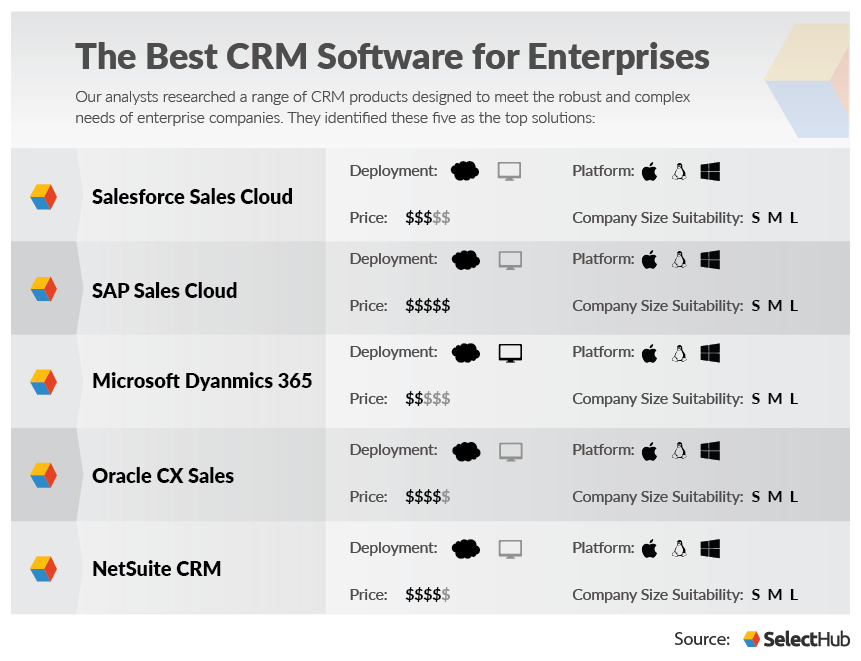
Oracle CRM is a cloud-based Customer Relationship Management platform designed to meet the needs of enterprise-level businesses. It offers a wide range of features tailored to large organizations, focusing on scalability, multi-channel support, and advanced analytics capabilities.
Features of Oracle CRM
- Customization Options: Oracle CRM provides extensive customization options, allowing businesses to tailor the platform to their specific needs and workflows.
- Integration Capabilities: The platform seamlessly integrates with other business tools, enabling a cohesive ecosystem for data management and customer interactions.
Enterprise-level Focus
- Scalability: Oracle CRM is built to scale with the growth of businesses, accommodating large volumes of data and user interactions without compromising performance.
- Multi-channel Support: The platform offers support for multiple communication channels, ensuring seamless interactions with customers across various touchpoints.
- Advanced Analytics: Oracle CRM provides advanced analytics tools to help businesses derive insights from vast amounts of data, enabling informed decision-making.
Security and Compliance
- Security Measures: Oracle CRM prioritizes data security with robust encryption protocols, access controls, and regular security updates to protect sensitive information.
- Compliance Standards: The platform adheres to industry regulations such as GDPR and HIPAA, ensuring data privacy and regulatory compliance for businesses in sensitive industries.
Comparison with Other CRM Platforms
- Pricing Models: Oracle CRM offers competitive pricing models tailored to enterprise needs, with flexible options for businesses of different sizes.
- Customer Support: The platform provides comprehensive customer support options, including dedicated account managers and 24/7 technical assistance for quick issue resolution.
- Implementation Ease: Oracle CRM is known for its ease of implementation, with intuitive interfaces and onboarding processes to help organizations quickly adapt to the platform.
Pipedrive
Pipedrive is a popular cloud-based CRM platform known for its user-friendly interface and ease of use. It is designed to help businesses effectively manage their sales pipelines and streamline their sales processes.
User Interface and Ease of Use
Pipedrive offers a clean and intuitive user interface that makes it easy for users to navigate through the system. The platform’s drag-and-drop functionality allows for seamless customization of pipelines and stages, making it simple to track and manage leads, deals, and contacts. This user-friendly design contributes to a smoother user experience and increased productivity for sales teams.
Unique Features
– Visual Sales Pipeline: Pipedrive’s visual sales pipeline provides a clear overview of all deals in progress, making it easy to prioritize tasks and focus on key opportunities.
– Automation and Integration: Pipedrive offers automation features and integrates with various third-party applications, allowing for streamlined workflows and improved efficiency.
– Sales Reporting and Forecasting: The platform provides detailed sales reports and forecasting tools, enabling businesses to track performance metrics and make data-driven decisions.
Sales Pipeline Management
Pipedrive enhances sales pipeline management by providing a structured approach to deal tracking and sales activities. Users can easily set up customized pipelines, define stages, and track progress at each stage. This visibility into the sales process helps businesses identify bottlenecks, prioritize tasks, and optimize their sales strategies for improved results.
Freshworks CRM
Freshworks CRM is a cloud-based customer relationship management platform that offers automation and AI capabilities to streamline processes and enhance customer engagement.
Automation and AI Capabilities
Freshworks CRM leverages automation and AI to automate repetitive tasks, such as data entry and lead assignment, saving time and improving efficiency. The platform uses AI-powered insights to help sales teams prioritize leads, personalize communication, and forecast sales trends more accurately.
Improving Customer Engagement
Freshworks CRM provides a 360-degree view of customer interactions, enabling businesses to deliver personalized experiences and timely responses. By analyzing customer data and behavior, the platform helps businesses engage with customers at the right time and through the right channel, enhancing overall customer satisfaction.
Lead Generation and Conversion
Freshworks CRM assists in lead generation by capturing leads from various sources and nurturing them through personalized communication and targeted marketing campaigns. The platform tracks lead interactions, analyzes lead scoring, and provides insights to help sales teams convert leads into customers effectively.
Integration Options
In today’s interconnected digital landscape, the ability to integrate cloud-based CRM platforms with other essential software tools is crucial for maximizing efficiency and productivity. Let’s explore the specific integration options available for some of the top CRM platforms and how they can seamlessly connect with popular third-party applications.
Salesforce CRM
Salesforce CRM offers robust integration capabilities with a wide range of third-party tools, including email marketing platforms like Mailchimp, accounting software such as QuickBooks, and project management tools like Asana. The platform provides pre-built connectors and APIs that make integration relatively straightforward. Users can set up integrations by configuring the necessary settings within Salesforce and the respective third-party applications.
HubSpot CRM
HubSpot CRM also supports integration with various third-party software tools, allowing users to streamline their workflows. It offers seamless connections with email marketing platforms like Constant Contact, accounting software such as Xero, and project management tools like Trello. Setting up integrations with HubSpot CRM typically involves activating the desired integrations within the platform and following the provided instructions for linking accounts.
Zoho CRM
Zoho CRM provides extensive integration options with popular third-party applications, enabling users to enhance their CRM experience. The platform offers integration with email marketing tools like Campaign Monitor, accounting software such as FreshBooks, and project management tools like Basecamp. Users can easily set up integrations by accessing the Zoho Marketplace, selecting the desired integrations, and following the configuration steps provided.
Microsoft Dynamics 365
Microsoft Dynamics 365 offers seamless integration capabilities with a variety of third-party software tools to extend its functionality. Users can connect the CRM platform with email marketing platforms like Marketo, accounting software such as Sage Intacct, and project management tools like Wrike. Setting up integrations with Microsoft Dynamics 365 typically involves utilizing connectors or APIs to establish a communication link between the CRM system and the third-party applications.
Oracle CRM
Oracle CRM also supports integration with a range of third-party tools, allowing users to optimize their CRM processes. The platform offers connections with email marketing platforms like SendGrid, accounting software such as NetSuite, and project management tools like Jira. To set up integrations with Oracle CRM, users can leverage Oracle Integration Cloud or other integration tools to configure the necessary connections and data mappings.
Comparative Chart
| CRM Platform | Email Marketing Tools | Accounting Software | Project Management Tools |
|---|---|---|---|
| Salesforce CRM | Mailchimp | QuickBooks | Asana |
| HubSpot CRM | Constant Contact | Xero | Trello |
| Zoho CRM | Campaign Monitor | FreshBooks | Basecamp |
| Microsoft Dynamics 365 | Marketo | Sage Intacct | Wrike |
| Oracle CRM | SendGrid | NetSuite | Jira |
Setting Up Integrations
When setting up integrations between CRM systems and third-party applications, users should ensure they have the necessary permissions and access rights to configure the connections. It is essential to follow the specific integration instructions provided by each CRM platform and third-party tool to establish a seamless connection. Users may need to generate API keys, configure data mappings, and enable the necessary features within both systems to enable smooth data flow between them.
Potential Challenges and Best Practices
Integrating CRM systems with third-party applications may pose challenges such as data synchronization issues, compatibility conflicts, and security concerns. To overcome these challenges, organizations should conduct thorough testing before fully deploying integrations, ensure data consistency across systems, and implement robust security measures to protect sensitive information. It is also advisable to regularly monitor and update integrations to address any potential issues that may arise over time.
Mobile Accessibility
Mobile accessibility is a crucial aspect of cloud-based CRM platforms, allowing users to access important customer data and manage relationships on-the-go. With the increasing reliance on mobile devices, CRM platforms need to provide seamless and user-friendly mobile applications to ensure productivity and efficiency.
Salesforce CRM Mobile App
The Salesforce CRM mobile app offers a comprehensive set of features that enable users to access and update customer information, track sales activities, and collaborate with team members from anywhere. The app provides real-time data synchronization, offline access, and customization options for a personalized user experience.
HubSpot CRM Mobile App
HubSpot CRM’s mobile app focuses on simplifying sales and marketing tasks on mobile devices. Users can manage contacts, track deals, and send emails on the go. The app also offers real-time notifications, task reminders, and integration with other HubSpot tools for a seamless workflow.
Zoho CRM Mobile App
Zoho CRM’s mobile app is designed to be intuitive and user-friendly, allowing users to access customer information, manage leads, and collaborate with team members easily. The app offers features like voice commands, location tracking, and offline access for enhanced productivity on the go.
Microsoft Dynamics 365 Mobile App
Microsoft Dynamics 365’s mobile app provides a unified platform for sales, customer service, and marketing activities on mobile devices. Users can access customer data, track sales opportunities, and create marketing campaigns from their smartphones. The app also offers offline access and integration with other Microsoft tools for a seamless experience.
Oracle CRM Mobile App
Oracle CRM’s mobile app focuses on providing a streamlined user experience for sales and service professionals on the go. Users can access customer information, manage tasks, and collaborate with team members from their mobile devices. The app also offers real-time updates, offline access, and integration with Oracle’s other cloud services.
Pipedrive Mobile App
Pipedrive’s mobile app is designed to simplify sales pipeline management and deal tracking on mobile devices. Users can access customer data, track deals, and receive notifications on their smartphones. The app also offers customization options and integration with other Pipedrive tools for a seamless workflow.
Freshworks CRM Mobile App
Freshworks CRM’s mobile app focuses on providing a user-friendly interface for managing customer relationships on the go. Users can access customer data, track deals, and communicate with leads from their mobile devices. The app also offers customization options, offline access, and integration with other Freshworks products for a unified experience.
Data Security and Privacy
Data security and privacy are critical aspects of cloud-based CRM platforms to ensure the protection of sensitive customer information. These platforms implement various measures to safeguard data and comply with relevant privacy standards.
Measures for Data Security
- Encryption: Cloud-based CRM platforms use encryption techniques to secure data both in transit and at rest. This ensures that the information remains confidential and protected from unauthorized access.
- Access Control: Platforms implement strict access controls to limit who can view, edit, or delete data within the CRM system. This helps prevent data breaches and ensures that only authorized personnel can access sensitive information.
- Regular Audits: Regular security audits and monitoring are conducted to identify and address any vulnerabilities in the system. This proactive approach helps in detecting and mitigating potential security threats.
Compliance Standards
- GDPR (General Data Protection Regulation): CRM platforms comply with GDPR guidelines to protect the personal data of individuals within the European Union. This includes obtaining consent for data processing, ensuring data portability, and implementing data protection measures.
- CCPA (California Consumer Privacy Act): Platforms adhere to CCPA regulations to safeguard the privacy rights of California residents. This includes providing transparency about data collection practices, allowing consumers to opt-out of data sharing, and ensuring the security of personal information.
Customer Support and Training
Customer support and training are crucial aspects of successful CRM implementation. Let’s dive into the various support options, training resources, and their impact on user satisfaction.
Customer Support Options
- Salesforce CRM: Salesforce offers 24/7 customer support via phone, email, and live chat. They also have a robust online community for users to seek help and advice.
- HubSpot CRM: HubSpot provides customer support through email, phone, and live chat during business hours. They also offer extensive documentation and training resources.
- Zoho CRM: Zoho offers email and phone support, as well as a knowledge base and community forums for users to find answers to their queries.
Training Resources Available
- Many CRM platforms offer online training modules, webinars, video tutorials, and certification programs to help users get acquainted with the software.
- Users can also benefit from in-person training sessions, workshops, and onboarding sessions provided by CRM vendors or third-party consultants.
Importance of Ongoing Support and Training
Customer support and training are essential for successful CRM implementation. Ongoing support ensures that users can troubleshoot issues quickly and effectively, while continuous training helps employees maximize the use of the CRM platform.
Accessing Online Training Modules
To access online training modules on Salesforce CRM:
- Log in to your Salesforce account.
- Go to the Help & Training section.
- Click on the Training tab to access various training resources such as videos, tutorials, and interactive modules.
Troubleshooting Common Issues
To troubleshoot common issues with CRM software:
- Check the CRM platform’s knowledge base or community forums for solutions.
- Contact customer support for assistance if the issue persists.
- Consider reaching out to fellow users or consultants for advice on resolving the problem.
Best Practices for Training Employees
- Provide hands-on training sessions to familiarize employees with the CRM platform’s features and functionalities.
- Encourage continuous learning through regular training sessions, workshops, and skill-building exercises.
- Create user guides and documentation to help employees navigate the CRM platform independently.
Impact of Personalized Customer Support
Personalized customer support services can significantly enhance user satisfaction and retention rates within a CRM platform. Tailored support and training programs cater to the specific needs of users, resulting in a more positive user experience.
Successful CRM Implementations
Case studies have shown that effective training and support strategies play a vital role in successful CRM implementations. Companies that prioritize ongoing training and personalized support experiences higher user adoption rates and improved CRM performance.
Customization and Scalability
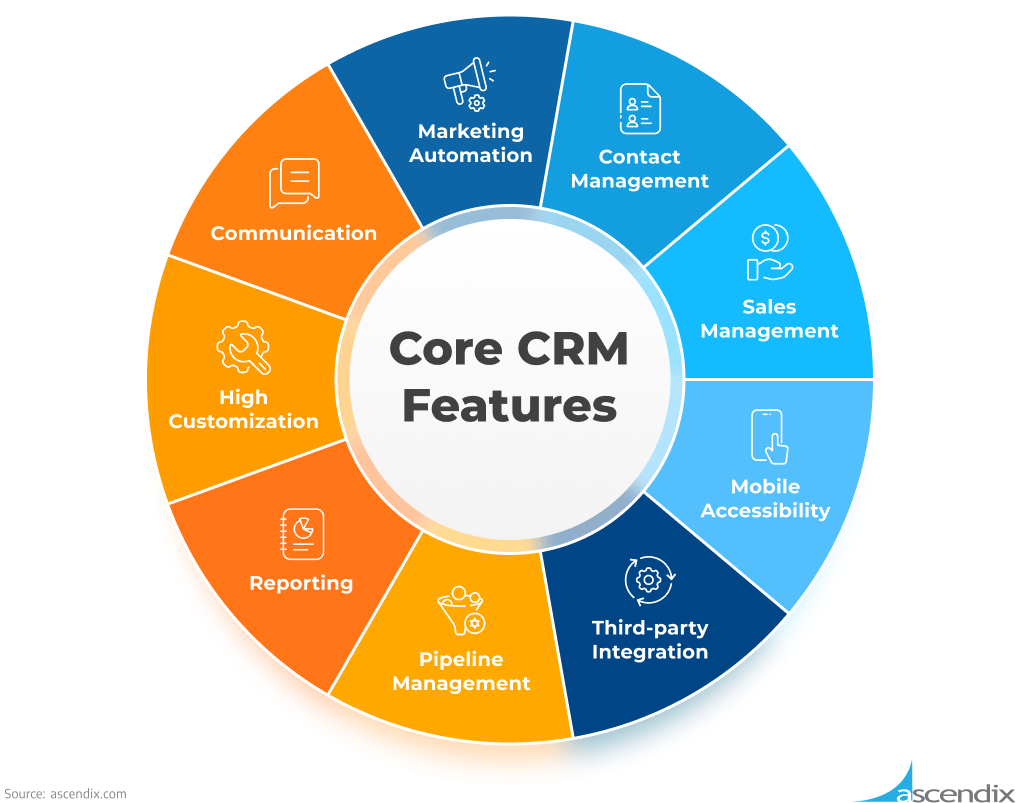
Customization and scalability are crucial aspects of cloud-based CRM platforms that allow businesses to tailor their systems to meet specific needs and adapt as they grow.
Customization Options
- Cloud-based CRM platforms offer a wide range of customization options, including the ability to create custom fields, workflows, and reports.
- Businesses can personalize their CRM systems by configuring layouts, data fields, and automation rules to align with their unique processes.
- Customization features also extend to branding, with options to add company logos, colors, and themes for a personalized user experience.
Scalability Features
- Scalability in CRM platforms allows businesses to easily expand their systems as their operations grow and evolve.
- Businesses can add new users, increase storage capacity, and integrate additional functionalities seamlessly to accommodate increased data volume and user requirements.
- Scalability features also enable businesses to scale their CRM systems across multiple departments or locations without compromising performance.
Integration with Third-Party Applications
- Cloud-based CRM platforms offer integration capabilities with a variety of third-party applications, such as marketing automation tools, accounting software, and e-commerce platforms.
- Businesses can leverage these integrations to enhance the functionality of their CRM systems and streamline workflows by connecting data and processes across different platforms.
- Integration with third-party applications can provide businesses with a comprehensive view of customer interactions and improve overall efficiency and productivity.
Creating Custom Fields and Workflows
- Businesses can create custom fields and workflows in a CRM platform to capture specific data points or automate processes that align with their unique business requirements.
- Custom fields allow businesses to store and track data that may not be available in standard CRM modules, providing a more tailored approach to managing customer information.
- Workflows help businesses automate repetitive tasks, streamline processes, and ensure consistent follow-up on leads and customer interactions.
Data Migration Strategies
- When scaling CRM systems, businesses should develop robust data migration strategies to ensure seamless transition of data from legacy systems to the cloud-based CRM platform.
- Data migration involves transferring existing customer data, records, and configurations to the new CRM system while maintaining data integrity and consistency.
- Effective data migration strategies help businesses avoid data loss, duplication, and errors, ensuring a smooth transition and continuity of operations.
User Permissions and Access Controls
- User permissions and access controls play a crucial role in maintaining data security and privacy within a customized CRM environment.
- Businesses can define user roles, permissions, and access levels to restrict data access based on job functions, ensuring that sensitive information is only accessible to authorized personnel.
- Access controls help prevent unauthorized users from viewing or modifying critical data, protecting the integrity and confidentiality of customer information.
User Reviews and Recommendations
When it comes to selecting a cloud-based CRM platform, user reviews and recommendations play a crucial role in helping potential users make informed decisions. Let’s delve into the common feedback and recommendations from actual CRM platform users to understand what factors are most important to them.
Salesforce CRM
- Many users praise Salesforce CRM for its robust features and customization options.
- Users appreciate the user-friendly interface and seamless integration with other tools.
- Some users have mentioned concerns about the steep learning curve and high pricing.
HubSpot CRM
- Users often highlight HubSpot CRM’s ease of use and comprehensive reporting capabilities.
- Many users recommend HubSpot CRM for small to medium-sized businesses looking to streamline their sales and marketing processes.
- Some users have mentioned limitations in terms of customization and advanced features compared to other platforms.
Zoho CRM
- Zoho CRM receives praise for its affordability and scalability, making it a popular choice for businesses of all sizes.
- Users appreciate the wide range of features and integrations offered by Zoho CRM.
- Some users have reported occasional glitches and slow customer support response times.
Microsoft Dynamics 365
- Users commend Microsoft Dynamics 365 for its seamless integration with other Microsoft products and extensive customization options.
- Many users recommend Microsoft Dynamics 365 for enterprise-level businesses due to its robust capabilities.
- Some users have mentioned challenges in terms of complexity and the need for dedicated training to fully utilize the platform.
Oracle CRM
- Oracle CRM is often praised for its powerful analytics and reporting features.
- Users appreciate the scalability and industry-specific solutions offered by Oracle CRM.
- Some users have reported difficulties in terms of implementation and the need for ongoing support from Oracle consultants.
Pipedrive
- Users frequently commend Pipedrive for its intuitive interface and pipeline management capabilities.
- Many users recommend Pipedrive for its ease of use and affordability, particularly for small businesses.
- Some users have mentioned limitations in terms of customization and advanced automation features.
Freshworks CRM
- Freshworks CRM is often praised for its user-friendly interface and robust customer support.
- Users appreciate the affordability and range of features offered by Freshworks CRM.
- Some users have reported occasional glitches and limitations in terms of customization compared to other platforms.
Summary
In conclusion, the world of cloud-based CRM platforms offers a myriad of choices for businesses looking to enhance their customer relationships and streamline their operations. Whether you’re a small startup or a large enterprise, finding the right CRM solution can lead to increased efficiency and growth.
