Best Enterprise CRM Solutions revolutionize the way large businesses manage customer relationships and enhance operational efficiency. Dive into a world of innovative tools and strategies designed to optimize business processes.
Introduction to Enterprise CRM Solutions
Enterprise CRM Solutions are sophisticated customer relationship management platforms designed to cater to the unique needs of large businesses. These solutions offer a wide range of features and functionalities to streamline interactions with customers, improve customer satisfaction, and boost overall business performance.
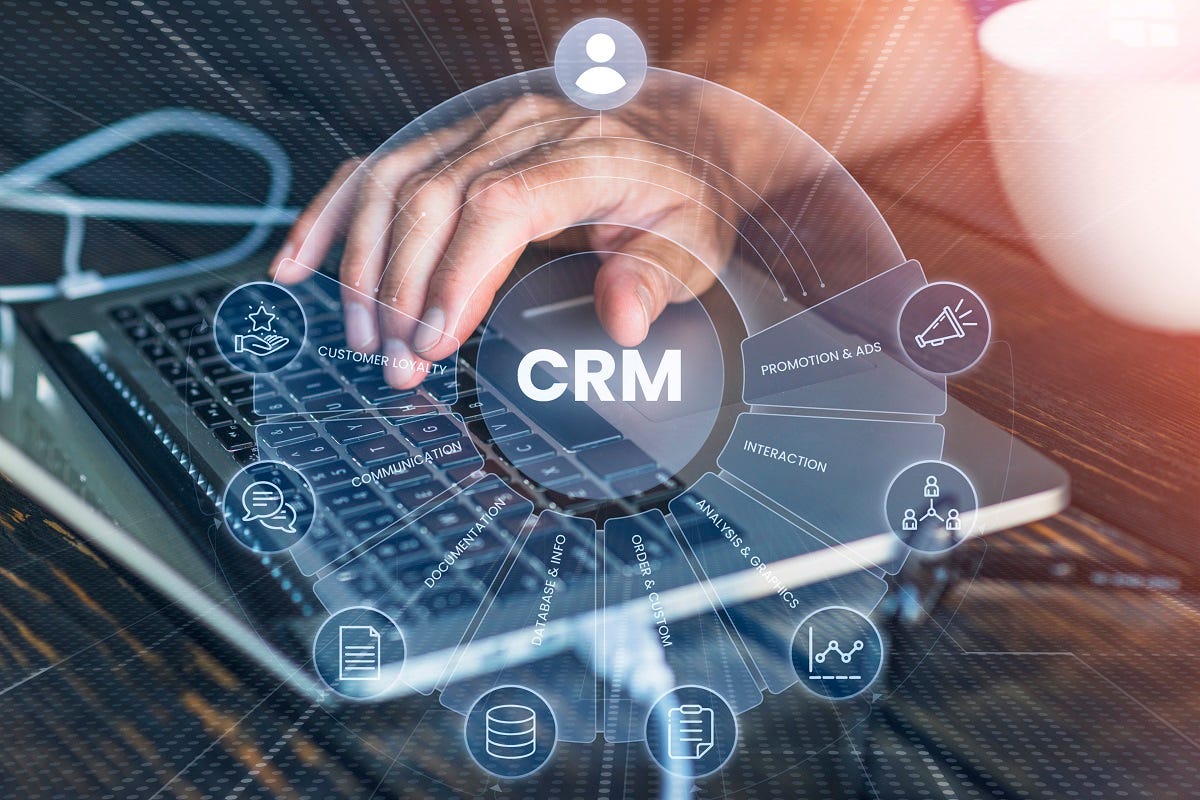
For large businesses, Enterprise CRM Solutions play a crucial role in managing complex customer data, automating sales processes, and providing valuable insights for decision-making. Unlike regular CRM software, Enterprise CRM Solutions are specifically tailored to meet the scale and requirements of enterprise-level organizations.
Some of the top Enterprise CRM Solutions in the market include Salesforce, Microsoft Dynamics 365, SAP CRM, and Oracle CRM. These platforms offer advanced capabilities such as lead management, marketing automation, customer service tools, and analytics to drive business growth.
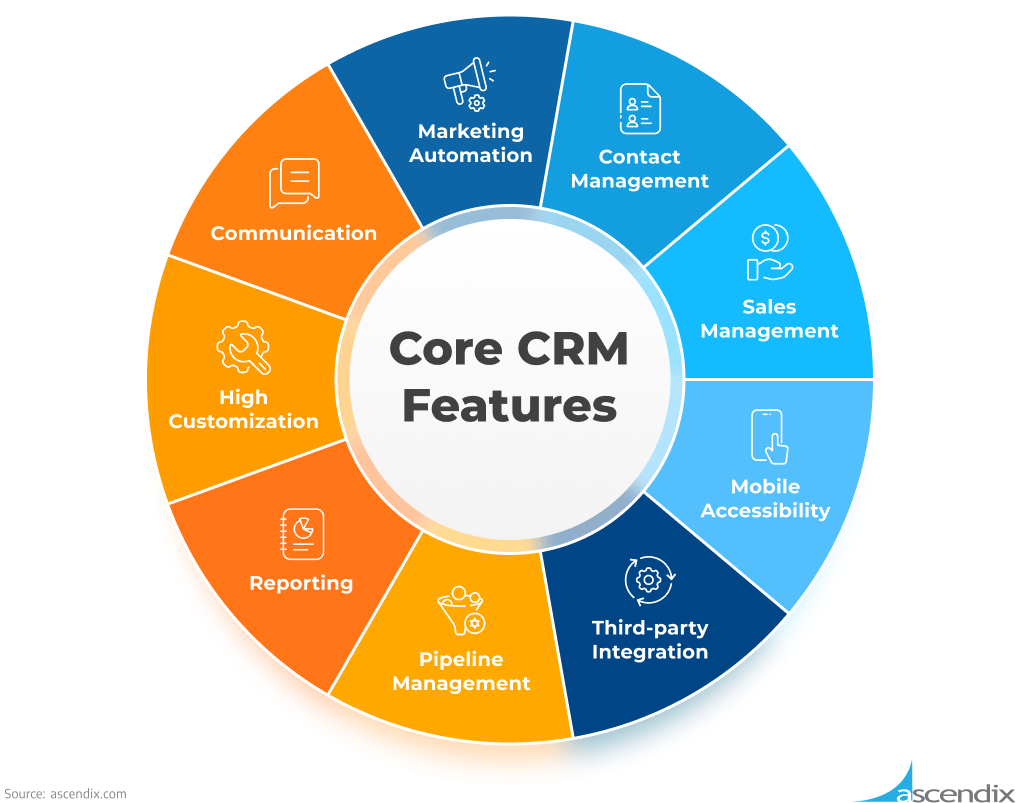
Key features of Enterprise CRM Solutions include multi-channel communication, customization options, workflow automation, reporting and analytics, and integration with other business systems. These solutions are highly scalable, allowing businesses to expand their operations and customer base without compromising performance.
Implementation of Enterprise CRM Solutions
- Define the steps involved in implementing Enterprise CRM Solutions in a large organization.
- Explain the role of IT departments in the deployment of Enterprise CRM Solutions.
- Provide best practices for ensuring a successful implementation of Enterprise CRM Solutions.
- Discuss potential challenges during implementation and strategies to overcome them.
- Highlight the importance of user training and adoption strategies for maximizing benefits.
Customization and Integration of Enterprise CRM Solutions
- Explain the importance of customizing Enterprise CRM Solutions for large businesses.
- Provide guidelines for effective customization without compromising core functionalities.
- Discuss the benefits of integrating Enterprise CRM Solutions with other business systems.
- Give examples of successful integration strategies with ERP and marketing automation platforms.
- Address common pitfalls to avoid when customizing and integrating Enterprise CRM Solutions.
Key Features of Best Enterprise CRM Solutions
Enterprise CRM solutions are equipped with a variety of features to streamline business operations and enhance customer relationships. Let’s explore some key features that top Enterprise CRM Solutions should have:
1. Customer Data Management
- Centralized storage of customer data
- Segmentation and categorization of customers
- Integration with other systems for data synchronization
2. Automation of Sales Processes
- Automated lead scoring and routing
- Sales pipeline management
- Automated follow-ups and reminders
3. Analytics and Reporting
- Real-time analytics for performance tracking
- Customizable reports and dashboards
- Data visualization tools for insights
4. Customer Service and Support
- Help desk ticketing system
- Multi-channel support integration (email, chat, phone)
- Knowledge base for self-service support
5. Integration Capabilities
- Integration with third-party applications
- API access for customization
- Seamless integration with existing systems
Customization Options in Enterprise CRM Solutions
Customization plays a crucial role in meeting the unique needs of businesses when implementing Enterprise CRM Solutions. Let’s explore the level of customization available and how it can be tailored to specific business requirements.
Level of Customization
Leading Enterprise CRM Solutions offer a high degree of customization, allowing businesses to adapt the platform to their specific processes and workflows. This includes customizing fields, layouts, and modules to align with the organization’s unique requirements.
Meeting Specific Business Needs
- Customizing workflows: Businesses can tailor the CRM system to automate and streamline their unique processes, ensuring efficiency and productivity.
- Personalizing user interface: Customizing the interface based on user roles and preferences enhances user experience and boosts adoption rates.
- Integrating third-party applications: CRM solutions offer integration capabilities, allowing businesses to connect external tools and systems to meet specific business needs.
Successful Customization Implementations
One successful example of customization in Enterprise CRM Solutions is the implementation of industry-specific modules. For instance, a healthcare organization can customize their CRM system to include patient management modules, appointment scheduling features, and integration with electronic health records.
Integration Capabilities of Enterprise CRM Solutions
Enterprise CRM solutions offer robust integration capabilities that allow seamless connectivity with other tools and applications. This integration enhances productivity by providing a centralized platform for managing customer data and interactions.
Successful Integrations with Popular Business Applications
- Integration with Microsoft Office 365: Enterprise CRM solutions often integrate with Microsoft Office 365, enabling users to sync contacts, calendars, and emails between the CRM system and Office applications. This ensures that all communication and data are centralized and easily accessible.
- Integration with ERP Systems: Enterprise CRM solutions can integrate with ERP systems like SAP or Oracle, allowing for the seamless flow of information between sales, marketing, and finance departments. This integration ensures that all teams have access to real-time data for better decision-making.
- Integration with Marketing Automation Platforms: By integrating with marketing automation platforms like HubSpot or Marketo, Enterprise CRM solutions enable businesses to track customer interactions, campaign performance, and lead generation efforts in one unified system. This integration streamlines marketing processes and improves lead management.
Scalability in Enterprise CRM Solutions
Scalability in the context of Enterprise CRM Solutions refers to the ability of the CRM system to grow and adapt according to the changing needs and size of a business.
Impact on Businesses of Various Sizes
Scalability plays a crucial role in the success of businesses of all sizes. Whether it’s a small startup looking to expand or a large corporation managing a vast customer base, the ability to scale the CRM system ensures that the organization can efficiently handle the increasing volume of data and interactions.
- For Small Businesses: A scalable CRM solution allows small businesses to start with basic functionalities and then add more advanced features as they grow. This flexibility helps them optimize their operations without having to switch to a new system.
- For Medium-Sized Businesses: Medium-sized businesses benefit from scalability by being able to adjust the CRM system to accommodate their expanding customer base and workforce. This ensures that they can maintain customer satisfaction and streamline their processes as they grow.
- For Large Enterprises: Scalability is essential for large enterprises dealing with a massive amount of data and complex operations. By scaling their CRM system, they can ensure that it continues to meet their evolving needs and can support their extensive customer interactions effectively.
Case Study: Company X
Company X, a rapidly growing e-commerce company, successfully scaled its operations using Enterprise CRM Solutions. Initially, they started with a basic CRM system to manage customer interactions and sales. As their business expanded, they upgraded to a more robust CRM solution that offered scalability.
With the scalable CRM system in place, Company X was able to seamlessly integrate new features to support their growing customer base, automate processes to improve efficiency, and analyze data to make informed decisions. This scalability allowed Company X to maintain high levels of customer satisfaction and drive further growth in their business.
Security Measures in Enterprise CRM Solutions
Data security is a critical aspect of Enterprise CRM Solutions as they handle sensitive customer information. Implementing robust security measures is essential to protect this data from unauthorized access and breaches.
Encryption for Securing Sensitive Data
Encryption plays a vital role in securing sensitive data within CRM systems. By converting data into a code that can only be deciphered with the right encryption key, organizations can ensure that even if unauthorized users gain access to the data, they cannot make sense of it.
- Utilize end-to-end encryption for data transmission to prevent interception and unauthorized access.
- Implement encryption for stored data to safeguard information at rest.
- Regularly update encryption protocols to stay ahead of potential vulnerabilities.
User Authentication and Access Control Best Practices
Ensuring proper user authentication and access control is crucial in maintaining the security of CRM systems. By verifying the identity of users and limiting their access based on roles and permissions, organizations can prevent unauthorized individuals from viewing or manipulating sensitive data.
- Enforce strong password policies, including regular password changes and complexity requirements.
- Implement multi-factor authentication for an added layer of security during login.
- Regularly review and update user access permissions to align with job roles and responsibilities.
Security Protocols Comparison
Different Enterprise CRM Solutions may utilize varying security protocols to protect data. It is essential for organizations to assess and compare these protocols to choose a solution that aligns with their security requirements and standards.
- Some CRM systems may offer advanced encryption algorithms, while others focus on access control mechanisms.
- Consider the compliance certifications and standards adhered to by each CRM solution to ensure data security.
- Evaluate the track record of each solution in terms of security breaches and responses to incidents.
Conducting a Security Audit for CRM Systems
Regular security audits are necessary to identify vulnerabilities in CRM systems and address them proactively. By conducting comprehensive audits, organizations can stay ahead of potential threats and ensure the ongoing security of their customer data.
- Engage cybersecurity professionals or firms to perform penetration testing and vulnerability assessments.
- Review access logs and user activity to detect any suspicious behavior or unauthorized access attempts.
- Document security audit findings and prioritize remediation efforts based on the severity of identified vulnerabilities.
User Interface and User Experience (UI/UX) Design
When it comes to Enterprise CRM Solutions, the User Interface (UI) and User Experience (UX) design play a crucial role in ensuring user satisfaction and productivity. A well-designed CRM interface can significantly impact user adoption rates and overall efficiency within an organization.
Analyze the UI/UX design of leading Enterprise CRM Solutions
- Leading Enterprise CRM Solutions focus on clean and intuitive design elements that prioritize user experience.
- They often incorporate modern UI trends and interactive elements to enhance user engagement.
- Personalization options are commonly available to tailor the CRM interface to individual user preferences.
Discuss the impact of user-friendly interfaces on user adoption
- User-friendly interfaces lead to higher user adoption rates as they reduce the learning curve for new users.
- Intuitive designs increase user satisfaction and encourage regular use of the CRM system.
- Clear navigation and streamlined workflows contribute to a positive user experience and drive adoption.
Share best practices for designing intuitive CRM interfaces
- Use consistent design elements and layout throughout the CRM interface for a cohesive user experience.
- Prioritize essential features and information to avoid clutter and confusion.
- Implement responsive design to ensure the CRM interface adapts seamlessly to different screen sizes and devices.
Evaluate the use of color schemes in CRM interfaces and their impact on user engagement
- Color schemes can evoke specific emotions and influence user behavior within the CRM interface.
- Well-chosen colors can enhance readability, draw attention to important elements, and create a visually appealing interface.
- Consistent color schemes help establish brand identity and improve overall user engagement.
Compare the navigation structures of different CRM solutions and their effectiveness in improving user experience
- Clear and intuitive navigation structures simplify user interactions and reduce the time needed to find information.
- Effective navigation menus and search functionalities enhance user experience by enabling quick access to relevant data.
- Well-organized layouts contribute to a seamless user experience and boost overall productivity.
Create wireframes for a CRM dashboard that prioritizes user productivity and ease of use
- The wireframes should emphasize simplicity, clarity, and functionality to support user tasks and workflows.
- Include visual hierarchy, intuitive controls, and relevant data visualization to enhance user productivity.
- Iterate on the wireframes based on user feedback to optimize the design for usability and efficiency.
Explain the importance of mobile responsiveness in CRM design and provide examples of successful implementations
- Mobile responsiveness ensures that users can access the CRM system from any device, enhancing flexibility and remote work capabilities.
- Successful implementations prioritize responsive design elements such as touch-friendly controls and adaptive layouts.
- Mobile-responsive CRM interfaces improve user accessibility and enable seamless interactions on the go.
Customer Support and Training Options
Customer support and training are crucial components of successful CRM implementation. Let’s explore the various options available to users.
Customer Support Services
- Top Enterprise CRM Solutions offer customer support through multiple channels such as phone, email, live chat, and knowledge base.
- Response times and effectiveness may vary among different providers.
- Accessing customer support is usually straightforward within the CRM software.
Training Programs
- Training programs include on-demand tutorials, virtual workshops, and certification courses to help users maximize the software’s potential.
- Case studies and success stories demonstrate how effective training can improve CRM utilization and efficiency.
- Enrolling in training programs is typically user-friendly within the CRM platform.
Premium Support Plans Comparison
| CRM Provider | Cost | Features |
|---|---|---|
| Provider A | $X/month | 24/7 phone support, dedicated account manager |
| Provider B | $Y/month | Email and live chat support, advanced troubleshooting |
| Provider C | $Z/month | On-demand training, priority support queue |
Pricing Models of Enterprise CRM Solutions
When it comes to selecting an Enterprise CRM Solution, understanding the pricing models offered is crucial for businesses to make informed decisions based on their budget and requirements.
Comparison of Pricing Structures
- Per User Pricing: Some Enterprise CRM Solutions offer a per-user pricing model, where businesses pay a set monthly fee for each user accessing the system. This can be cost-effective for small to medium-sized businesses with a limited number of users.
- Flat-Rate Pricing: Other solutions may have a flat-rate pricing model, where businesses pay a fixed monthly fee regardless of the number of users. This can be advantageous for larger organizations with a high number of users.
- Usage-Based Pricing: Certain Enterprise CRM Solutions offer a usage-based pricing model, where businesses are charged based on the features or modules they utilize. This can be beneficial for businesses looking for more flexibility in their pricing structure.
Popular Enterprise CRM Solution Pricing Breakdown
Example CRM Solution: XYZ CRM
| Pricing Tier | Monthly Cost | Features Included | User Limits |
|---|---|---|---|
| Basic | $25 | Essential CRM features | Up to 10 users |
| Standard | $50 | Advanced CRM features | Up to 25 users |
| Premium | $100 | Full suite of CRM tools | Unlimited users |
Comparison Table of Leading Enterprise CRM Solutions
- CRM Solution A:
Pricing Plan Monthly Cost Features Included User Limits Basic $20 Essential features Up to 5 users Pro $50 Advanced features Up to 20 users Enterprise $100 Full suite of tools Unlimited users - CRM Solution B:
Pricing Plan Monthly Cost Features Included User Limits Starter $30 Basic features Up to 10 users Business $70 Advanced features Up to 30 users Enterprise $120 Full suite of tools Unlimited users - CRM Solution C:
Pricing Plan Monthly Cost Features Included User Limits Essential $25 Basic features Up to 5 users Professional $60 Advanced features Up to 15 users Ultimate $100 Full suite of tools Unlimited users
Scalability and Additional Costs
- Scalability Options: Each pricing tier should offer scalability options to accommodate businesses at different stages of growth, allowing them to upgrade or downgrade based on their requirements.
- Additional Costs: Businesses might incur additional costs beyond the standard pricing plans, such as implementation fees, customization charges, or training expenses. It’s essential to factor in these costs when evaluating the overall cost-effectiveness of an Enterprise CRM Solution.
Reporting and Analytics Capabilities
In the realm of Enterprise CRM Solutions, the reporting and analytics capabilities play a crucial role in providing valuable insights that can drive strategic decisions and enhance overall business performance. Let’s delve into the specifics of this important feature.
Data-Driven Insights for Business Benefit
- Reporting and analytics tools in Enterprise CRM Solutions enable businesses to gather and analyze data to identify trends, patterns, and customer behaviors.
- Data-driven insights help businesses make informed decisions, optimize processes, and improve customer relationships.
- By leveraging CRM analytics, organizations can enhance marketing strategies, sales forecasting, and customer service operations.
Strategic Decisions with CRM Analytics
- CRM analytics empower businesses to make strategic decisions based on real-time data and predictive analysis.
- For example, companies can identify upsell opportunities, target high-value customers, and personalize marketing campaigns using CRM analytics.
- By analyzing customer interactions and feedback, organizations can tailor their products and services to meet specific needs and preferences.
Data Visualization and Predictive Analytics
- Different CRM platforms offer varying data visualization features, including dashboards, graphs, and charts for easy interpretation of data.
- Predictive analytics in CRM reporting allows businesses to forecast customer behavior, anticipate trends, and proactively address potential issues.
- By visualizing data trends and patterns, organizations can make data-driven decisions and optimize their CRM strategies for better outcomes.
Setting Up Customized Reports and Interpreting CRM Analytics
- A detailed guide on setting up customized reports in a CRM system is essential for extracting specific data sets and metrics tailored to business needs.
- Interpreting CRM analytics to measure customer satisfaction involves analyzing metrics like customer retention rates, feedback scores, and response times to enhance customer experience.
- By understanding and interpreting CRM analytics effectively, businesses can identify areas for improvement, address customer pain points, and drive growth.
Real-Time Analytics and AI in CRM Analytics
- Real-time analytics in CRM systems provide instant insights into customer interactions, sales data, and market trends for quick decision-making.
- AI-driven predictive modeling in CRM analytics helps businesses forecast customer behavior, personalize recommendations, and automate routine tasks for increased efficiency.
- By leveraging AI capabilities in CRM analytics, organizations can gain a competitive edge, improve customer engagement, and drive business growth through data-driven strategies.
Mobile Accessibility and Cross-Platform Functionality
Mobile accessibility and cross-platform functionality play a crucial role in the success of Enterprise CRM Solutions by ensuring seamless access from anywhere and on any device. Let’s delve into the importance of mobile accessibility and the benefits of cross-platform functionality for users.
Mobile Accessibility in Enterprise CRM Solutions
Mobile accessibility in Enterprise CRM Solutions allows users to access important customer data, update records, and communicate with clients on the go. This ensures that sales teams can stay productive even when they are out of the office. With the rise of remote work and the need for flexibility, mobile accessibility has become a necessity rather than a luxury in CRM solutions.
Benefits of Cross-Platform Functionality
Cross-platform functionality enables users to access the CRM system from various devices, including smartphones, tablets, and desktop computers, without any loss of functionality. This flexibility allows for a seamless transition between devices, ensuring that users can pick up where they left off regardless of the platform they are using. It also enhances collaboration among team members who may prefer different devices or operating systems.
Companies Leveraging Mobile CRM Solutions
Many companies have successfully leveraged mobile CRM solutions to enhance their sales and customer service processes. For example, Salesforce’s mobile app allows sales reps to access customer data, update leads, and track sales opportunities while on the go. Similarly, Zoho CRM offers a mobile app that provides real-time insights and notifications to help sales teams stay on top of their tasks.
Overall, mobile accessibility and cross-platform functionality are essential features in modern Enterprise CRM Solutions, enabling users to stay connected, productive, and agile in today’s fast-paced business environment.
Industry-Specific Solutions and Vertical Integrations
Industry-specific solutions in Enterprise CRM cater to the unique needs of different sectors, offering tailored features and functionalities to address specific industry requirements. By integrating vertically, CRM solutions can seamlessly align with the workflows and processes of various industries, enhancing efficiency and productivity.
Healthcare Industry
- Customized patient management features for hospitals and clinics.
- Integration with electronic health records (EHR) systems for seamless data exchange.
- Compliance with healthcare regulations such as HIPAA for data security.
Retail Industry
- Inventory management tools to track stock levels and optimize supply chain.
- Customer segmentation for targeted marketing campaigns and loyalty programs.
- Integration with e-commerce platforms for unified online and offline customer data.
Financial Services Industry
- Lead management tools for financial advisors and wealth managers.
- Compliance tracking features to ensure adherence to financial regulations.
- Integration with banking systems for real-time account information.
Advantages of Industry-Specific CRM Solutions
- Increased efficiency and productivity through tailored features.
- Enhanced customer experience with industry-specific customization.
- Better compliance with industry regulations and standards.
Data Migration and Onboarding Processes
When transitioning to an Enterprise CRM Solution, the data migration process is a critical step to ensure that all existing data is transferred accurately and securely. Onboarding new users to the CRM system also plays a vital role in maximizing the system’s effectiveness and adoption within the organization.
Mapping Existing Data to New CRM Fields
During the data migration process, it is essential to map existing data fields to the new CRM fields to ensure a seamless transition. Here is a step-by-step guide to help you with this process:
- Identify all the data fields in your current system.
- Review the data structure and field requirements in the new CRM system.
- Create a mapping document to match each existing data field to the corresponding field in the new system.
- Test the mapping by transferring a sample set of data to ensure accuracy.
- Finalize the mapping and proceed with the full data migration.
Data Cleansing and De-duplication
Before initiating the migration process, it is crucial to clean and de-duplicate the data to maintain data integrity. Data cleansing involves removing any inconsistencies, errors, or outdated information, while de-duplication helps in eliminating duplicate records. This ensures that only accurate and relevant data is transferred to the new CRM system.
Role of Data Migration Team and Training Resources
A data migration team should be established to oversee the transition process. Each team member should be assigned specific responsibilities to streamline the migration. Additionally, training materials and resources such as tutorials, user guides, and interactive sessions should be provided to new users during the onboarding process to familiarize them with the CRM system.
Setting Up User Accounts and Permissions
Administrators should follow a checklist when setting up user accounts and permissions in the CRM system during onboarding. This includes defining user roles, assigning access levels, and configuring security settings to ensure data privacy and integrity.
Troubleshooting Tips for Data Migration and Onboarding
Common issues may arise during data migration and user onboarding processes. It is essential to provide troubleshooting tips and solutions to address these issues effectively. By proactively identifying and resolving potential challenges, a smooth transition to the Enterprise CRM Solution can be achieved.
Future Trends in Enterprise CRM Solutions
Enterprise CRM solutions are continuously evolving to meet the changing needs of businesses in the digital age. Emerging technologies like AI and automation are playing a significant role in shaping the future of CRM systems for enterprise use. These technologies are not only enhancing the capabilities of CRM software but also revolutionizing how businesses interact with their customers and manage relationships. Let’s delve into the predicted trends and advancements in Enterprise CRM Solutions:
AI-Powered Customer Insights
AI integration in CRM solutions will enable businesses to gain deeper customer insights through advanced analytics and predictive modeling. By leveraging AI algorithms, companies can anticipate customer needs, personalize interactions, and optimize marketing strategies for better engagement and retention.
Automation for Process Efficiency
Automation will continue to streamline manual tasks and workflows within CRM systems, enhancing operational efficiency and productivity. From automated lead scoring and email campaigns to chatbots for customer support, businesses will rely on automation to deliver seamless and personalized experiences at scale.
Omni-Channel Communication
Future CRM solutions will emphasize seamless omni-channel communication, allowing businesses to engage with customers across multiple touchpoints, including social media, email, phone, and live chat. Integration with various communication channels will enable a cohesive and consistent customer experience throughout the buyer’s journey.
Data Privacy and Compliance
With the increasing focus on data privacy and regulations like GDPR, future CRM solutions will prioritize robust security measures and compliance functionalities. Businesses will need CRM systems that ensure data protection, consent management, and adherence to regulatory requirements to build trust and maintain transparency with customers.
Augmented Reality (AR) and Virtual Reality (VR) Integration
The integration of AR and VR technologies in CRM systems will revolutionize product visualization, virtual shopping experiences, and interactive customer engagement. Businesses can leverage these immersive technologies to showcase products, provide virtual demos, and create memorable brand experiences for their customers.
Blockchain for Data Security and Transparency
Blockchain technology holds the potential to enhance data security, integrity, and transparency in CRM systems. By leveraging blockchain for secure data storage, encrypted transactions, and immutable audit trails, businesses can ensure trust and accountability in their customer interactions and data management processes.
Personalization at Scale
Future CRM solutions will focus on delivering hyper-personalized experiences at scale, utilizing AI-driven insights, automation, and predictive analytics. Businesses will be able to tailor their messaging, offers, and recommendations based on individual preferences, behaviors, and engagement history to drive customer loyalty and satisfaction.
Last Recap
Exploring the realm of Best Enterprise CRM Solutions unveils a landscape where businesses thrive through streamlined operations, enhanced customer interactions, and scalable growth opportunities. Embrace the power of cutting-edge CRM solutions to elevate your business to new heights.
