CRM for Sales and Marketing Automation revolutionizes the way businesses operate, enhancing efficiency and customer relationships. Dive into a world where technology meets strategy for optimal results.
This comprehensive guide explores the integration of CRM software with marketing automation tools, customization options for sales teams, data analytics for sales forecasting, and much more.
Introduction to CRM for Sales and Marketing Automation
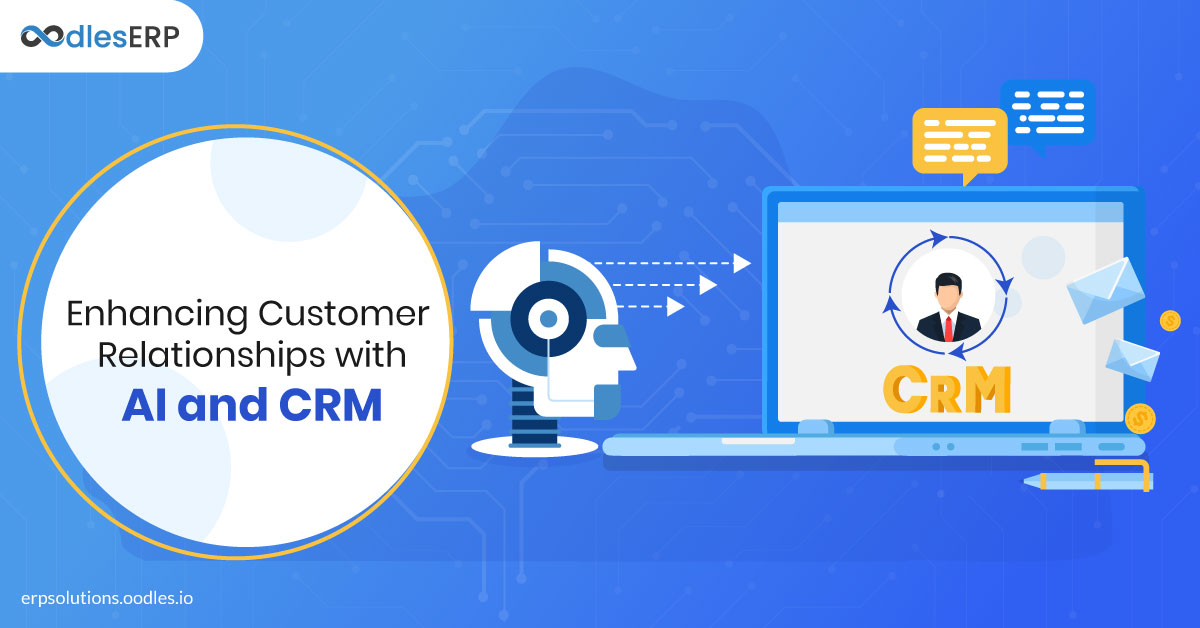
Customer Relationship Management (CRM) is a technology that manages a company’s relationships and interactions with potential and existing customers. CRM software plays a crucial role in sales and marketing automation by organizing, automating, and synchronizing business processes.
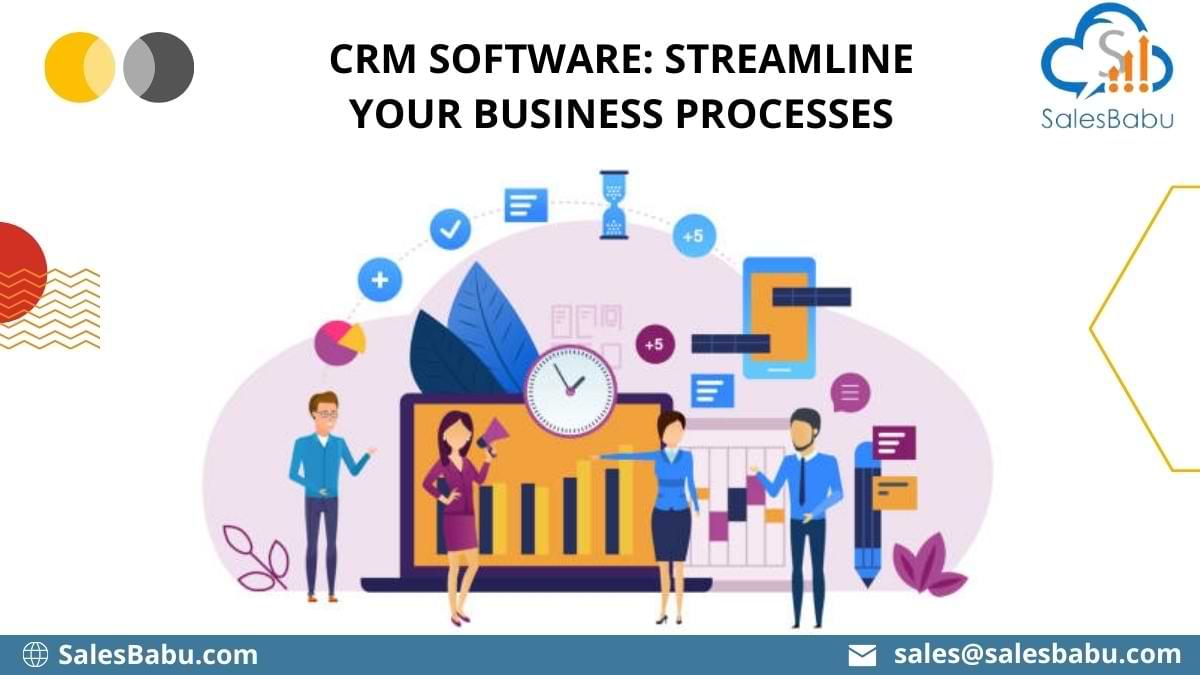
Using CRM software offers several benefits in streamlining sales and marketing processes. It helps sales teams track leads, manage customer data, and monitor sales pipelines efficiently. In marketing, CRM systems enable personalized campaigns, targeted messaging, and improved lead nurturing.
CRM systems are essential for improving customer relationships and driving revenue. By centralizing customer information, businesses can deliver better customer service, anticipate needs, and enhance overall customer experience. This, in turn, leads to increased customer satisfaction and loyalty, ultimately boosting sales and revenue.
Popular CRM software used in the industry includes Salesforce, HubSpot, Zoho CRM, and Microsoft Dynamics 365.
Customizing CRM Features for Sales Teams
Customizing CRM features for sales teams is crucial in optimizing productivity and efficiency. Key features that benefit sales teams include lead management, contact tracking, sales forecasting, and reporting tools. By customizing these features to align with specific sales processes, teams can streamline workflows, prioritize tasks, and improve overall performance.
Sales teams can personalize their CRM dashboard by setting up custom fields, creating tailored reports, and configuring automated workflows. By focusing on the most relevant data and metrics, teams can gain valuable insights, enhance decision-making, and drive sales growth effectively.
Integrating CRM with Marketing Automation Tools
Integrating CRM software with marketing automation tools is essential for seamless lead management and customer engagement. This integration allows for better alignment between sales and marketing teams, improves lead nurturing processes, and enhances overall campaign effectiveness. Successful integrations like Salesforce with Pardot or HubSpot with Marketo have shown significant improvements in lead generation and conversion rates.
Utilizing Data Analytics in CRM for Sales Forecasting
Data analytics plays a crucial role in CRM for sales forecasting and predictive analysis. By analyzing key data points such as customer behavior, purchasing patterns, and market trends, sales teams can make informed decisions and accurately predict future sales targets. Leveraging data analytics within CRM systems enables teams to optimize sales strategies, identify growth opportunities, and achieve revenue goals effectively.
Implementing CRM Best Practices for Customer Retention
CRM software can be used to enhance customer retention strategies through personalized communication and targeted marketing campaigns. By segmenting customers based on preferences, behavior, or purchase history, businesses can deliver tailored messages, promotions, and offers that resonate with individual needs. Successful case studies have demonstrated how businesses have effectively used CRM to improve customer loyalty, increase repeat purchases, and boost overall retention rates.
Ensuring Data Security and Compliance in CRM Systems
Data security and compliance are critical considerations when using CRM software for sales and marketing purposes. Businesses must implement robust measures to secure sensitive customer data within CRM systems, including encryption, access controls, and regular audits. Adhering to data protection regulations such as GDPR, CCPA, and HIPAA is essential to maintain trust with customers and avoid potential data breaches or compliance issues.
Key Features of CRM Software for Sales and Marketing Automation
CRM software designed for sales and marketing automation comes packed with essential features that streamline processes and enhance efficiency. Let’s delve into some of the key features:
Lead Management
Lead management is a crucial aspect of CRM systems, allowing businesses to effectively track and manage potential customers throughout the sales cycle. With CRM software, users can capture leads, assign them to sales representatives, track interactions, and nurture them until conversion.
Integration with Marketing Automation Tools
Integration with marketing automation tools is vital for seamless operations in sales and marketing. By connecting CRM software with tools like email marketing platforms, social media management systems, and analytics tools, businesses can automate marketing campaigns, track customer interactions, and analyze data to improve targeting and engagement.
Implementing CRM in Sales and Marketing Strategies
Integrating CRM into sales and marketing strategies is crucial for businesses looking to streamline their processes, improve customer relationships, and drive revenue growth. By leveraging CRM software effectively, organizations can enhance their sales and marketing efforts to achieve better results.
Significance of Data Analytics in Optimizing CRM for Sales and Marketing Automation
Data analytics plays a vital role in optimizing CRM for sales and marketing automation. By analyzing customer data, businesses can gain valuable insights into customer behavior, preferences, and buying patterns. This information allows organizations to personalize their marketing campaigns, target the right audience, and improve sales conversion rates. Data analytics also helps in forecasting sales trends, identifying opportunities for upselling and cross-selling, and measuring the effectiveness of marketing campaigns.
Examples of Successful CRM Implementation in Real-World Scenarios
Several companies have successfully implemented CRM systems to enhance their sales and marketing strategies. For example, Salesforce, a leading CRM software provider, has helped numerous organizations streamline their sales processes, improve customer interactions, and boost revenue. Another success story is HubSpot, which offers a comprehensive CRM platform that integrates seamlessly with marketing automation tools, enabling businesses to align their sales and marketing efforts for maximum impact.
Customization and Scalability of CRM Solutions
Customization and scalability are key factors to consider when choosing a CRM solution for sales and marketing automation. Let’s explore how CRM software can be tailored to specific business needs and how adaptable it is to accommodate growth.
Customizing CRM Software
Customizing CRM software allows businesses to tailor the platform to their specific sales and marketing requirements. This can involve creating custom fields, workflows, and reports that align with the unique processes of the organization.
- Custom Fields: Businesses can add custom fields to capture unique data points relevant to their sales and marketing strategies.
- Workflows: Custom workflows can be designed to automate processes and streamline sales and marketing activities.
- Reports: Custom reports can provide insights into key performance indicators and help optimize sales and marketing efforts.
Scalability of CRM Systems
Scalability is essential for CRM systems to grow along with the business and accommodate increasing data and user requirements. A scalable CRM solution should be able to handle a growing customer base and expanding operations without compromising performance.
- Cloud-Based Architecture: Cloud-based CRM systems offer scalability by allowing businesses to easily increase storage and user capacity as needed.
- Integration Capabilities: CRM systems with robust integration capabilities can scale effectively by connecting with other business applications and data sources.
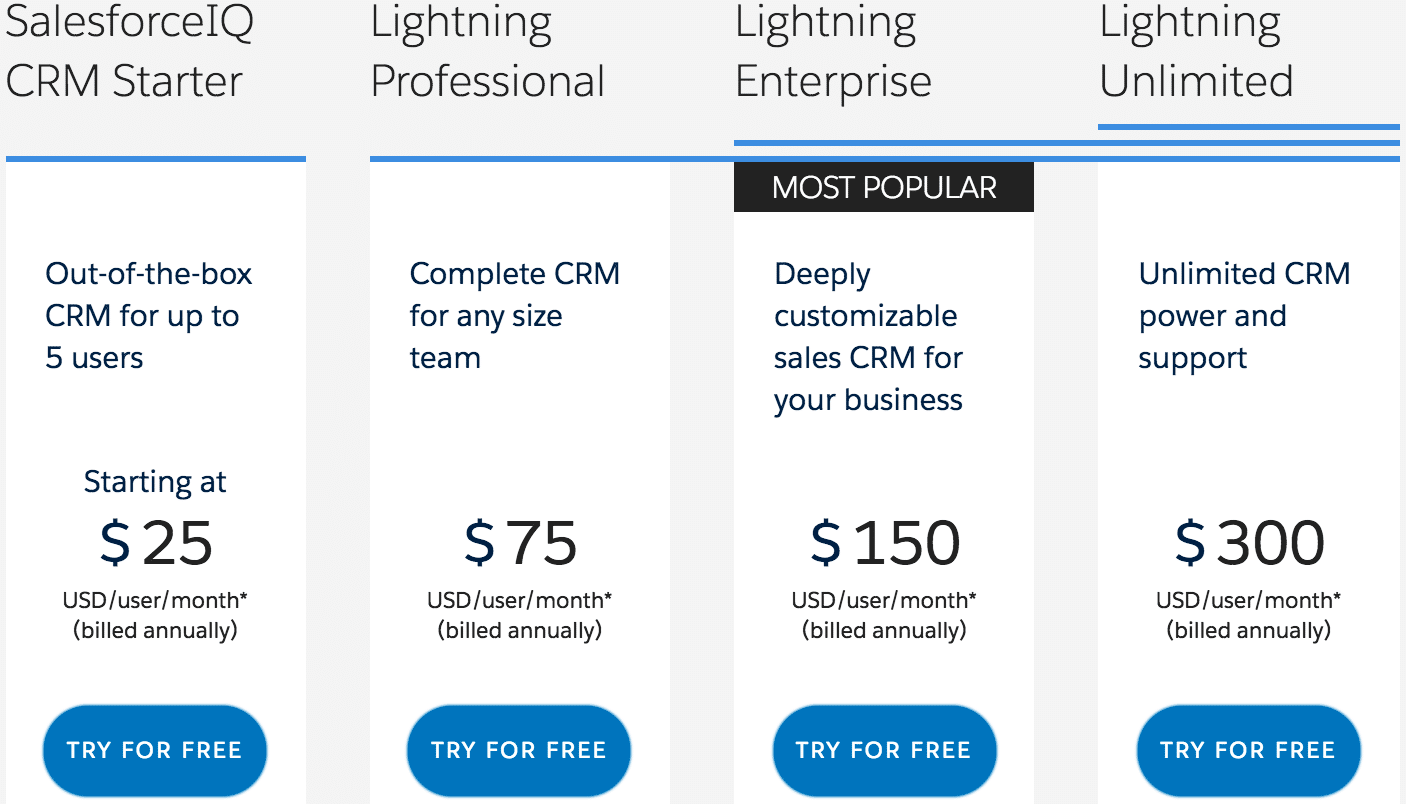
- Flexible Pricing Plans: Choose a CRM solution with flexible pricing plans that can adapt to the changing needs of the business without incurring unnecessary costs.
Choosing the Right CRM Solution
When selecting a CRM solution, it’s crucial to consider both customization and scalability options to ensure the platform can evolve with the business. Look for a CRM system that offers a balance between tailored features and the ability to grow seamlessly as your business expands.
CRM Integration with Sales and Marketing Tools
Integrating CRM with sales and marketing tools is crucial for streamlining processes and maximizing efficiency in customer relationship management. By connecting CRM systems with email marketing platforms and other automation tools, businesses can achieve a seamless flow of data and insights that drive better decision-making and personalized interactions.
Benefits of Integration
- Improved data accuracy and consistency across platforms.
- Enhanced lead nurturing and segmentation capabilities.
- Automated workflows and communication for increased productivity.
- More targeted and personalized marketing campaigns.
Setting Up Integration
To set up integration between CRM systems and email marketing platforms, follow these steps:
- Choose a compatible CRM and email marketing software.
- Access the integration settings within both platforms.
- Authenticate the connection using API keys or integration tools.
- Select the data points to synchronize, such as contact information, lead status, and campaign engagement.
- Test the integration to ensure data is flowing accurately.
Key Data Points for Synchronization
Key data points that should be synchronized between CRM and marketing automation tools include:
- Contact information (name, email, phone number).
- Lead status and engagement history.
- Purchase history and preferences.
- Campaign interactions and responses.
Impact on Customer Engagement
Integrating CRM with social media management tools can significantly impact customer engagement and retention by:
- Providing real-time insights into customer interactions on social platforms.
- Enabling personalized responses and targeted outreach based on social data.
- Creating a unified view of customer interactions across channels.
Comparison of Integration Capabilities
Different CRM platforms offer varying levels of integration capabilities with sales and marketing automation tools. Some popular integrations include:
| CRM Platform | Integration Tools |
|---|---|
| Salesforce | MailChimp, HubSpot, Marketo |
| Zoho CRM | Campaign Monitor, Constant Contact, Pardot |
| HubSpot CRM | Gmail, Outlook, Facebook Ads |
Data Security and Compliance in CRM Systems
Data security and compliance are crucial aspects of CRM systems to ensure the protection of sensitive information and adherence to regulations.
Impact of GDPR and Data Protection Laws
- GDPR (General Data Protection Regulation) has significantly impacted how CRM systems handle customer data, requiring explicit consent for data processing and ensuring data protection measures are in place.
- Data protection laws like CCPA (California Consumer Privacy Act) in the US have also influenced CRM usage by imposing strict guidelines on data collection, storage, and sharing.
- CRM systems need to comply with these regulations to avoid hefty fines and maintain customer trust.
Tips for Maintaining Data Privacy and Security
- Regularly update CRM software to address security vulnerabilities and stay compliant with data protection laws.
- Implement strong encryption methods to safeguard data stored in CRM systems from unauthorized access.
- Train employees on data security best practices to prevent data breaches and ensure compliance with regulations.
- Monitor and audit access to sensitive data within CRM systems to detect any unauthorized activities and maintain data integrity.
Training and Onboarding for CRM Users
Proper training and onboarding for users of CRM software are essential to ensure a smooth transition and maximize the benefits of using CRM for sales and marketing automation. Here is a step-by-step guide to effectively train sales and marketing teams on CRM usage, along with best practices for a successful onboarding process.
Step-by-Step Guide for Training Sales and Marketing Teams on CRM Usage
- Start with an introduction to the CRM software, explaining its purpose and key features.
- Provide hands-on training sessions to familiarize users with the CRM interface and functionalities.
- Create user manuals or guides for reference and encourage self-learning.
- Offer interactive training materials such as video tutorials or live demonstrations to engage users.
- Assign mentors or experienced users to provide support and guidance during the initial stages of onboarding.
Best Practices for a Smooth Transition to Using CRM for Sales and Marketing Automation
- Communicate the benefits of CRM adoption to motivate users and facilitate buy-in.
- Encourage feedback and address any concerns or resistance to change effectively.
- Establish clear goals and objectives for CRM usage to drive user engagement and accountability.
- Regularly review progress and provide constructive feedback to ensure continuous improvement.
Importance of Ongoing Support and Refresher Training Sessions for CRM Users
- Offer refresher training sessions to reinforce knowledge and skills, especially after system updates or changes.
- Provide access to a dedicated support team or help desk for immediate assistance with any CRM-related issues.
- Encourage users to share best practices and tips within the team to enhance collaboration and productivity.
Assessing the Effectiveness of CRM Training and Identifying Areas for Improvement
- Conduct surveys or feedback sessions to gather input from users on the training experience and effectiveness.
- Analyze CRM usage data and performance metrics to evaluate the impact of training on sales and marketing outcomes.
- Identify common challenges or gaps in knowledge among users and tailor training sessions to address specific needs.
CRM Reporting and Analytics for Sales and Marketing Optimization
Reporting and analytics play a crucial role in leveraging CRM data for optimizing sales and marketing strategies. By analyzing data and generating reports, businesses can make informed decisions to improve performance and drive growth.
Key Metrics for Performance Evaluation
When using CRM software, businesses should track key metrics to evaluate performance effectively. Some of the essential metrics to monitor include:
- Lead Conversion Rate
- Sales Pipeline Velocity
- Customer Acquisition Cost
- Customer Lifetime Value
Driving Data-Driven Decisions
CRM reporting tools provide valuable insights that can drive data-driven decisions in sales and marketing strategies. By analyzing customer behavior, trends, and interactions, businesses can tailor their approach to target the right audience effectively. For example, analyzing customer purchase patterns can help businesses create personalized marketing campaigns that resonate with their target market.
Customer Journey Mapping with CRM Systems
Customer journey mapping is a crucial aspect of sales and marketing strategies, and CRM systems play a vital role in facilitating this process. By leveraging CRM software, businesses can effectively map out the various touchpoints and interactions that a customer goes through during their journey with the company.
Utilizing CRM Data for Customer Journey Mapping
CRM systems allow businesses to track and analyze customer interactions across multiple channels, providing valuable insights into customer behavior and preferences. By collecting and organizing this data, companies can create detailed customer journey maps that outline the different stages of the customer lifecycle.
- Identifying Entry Points: CRM software helps in identifying the initial touchpoints where customers first engage with the company, whether through social media, email campaigns, or website visits.
- Tracking Engagement: Through CRM data, businesses can monitor customer interactions at each stage of the sales funnel, from lead generation to conversion, enabling targeted marketing efforts.
- Personalizing Communication: By understanding customer touchpoints, businesses can tailor their communication and marketing messages to meet the specific needs and preferences of individual customers.
Examples of Customer Journey Mapping with CRM Software
Let’s look at how businesses can utilize CRM systems for effective customer journey mapping:
- Lead Qualification: Using CRM data, sales teams can identify high-quality leads based on customer interactions and engagement levels, streamlining the sales process.
- Personalized Marketing Campaigns: CRM software enables businesses to create targeted marketing campaigns by segmenting customers based on their behavior and preferences, increasing conversion rates.
- Customer Retention Strategies: By analyzing customer journey maps, companies can develop effective retention strategies to nurture existing customers and drive loyalty through personalized experiences.
CRM Mobile Applications for Sales and Marketing Teams
Mobile CRM applications have revolutionized the way sales and marketing teams operate in today’s fast-paced business environment. These apps provide professionals with the flexibility to access crucial customer data and manage interactions on the go, leading to improved productivity and efficiency in the field.
Benefits of Using CRM Mobile Applications
- Instant access to real-time customer information
- Efficient task management and tracking
- Improved communication and collaboration among team members
- Enhanced customer engagement and relationship building
Popular CRM Mobile Apps and Features
| CRM Mobile App | Key Features |
|---|---|
| Salesforce Mobile | Customizable dashboards, real-time updates, offline access |
| Zoho CRM | Lead management, pipeline tracking, in-app calling |
| HubSpot CRM | Contact management, email integration, meeting scheduling |
User Interface and Navigation of CRM Mobile Apps
- Intuitive design for easy access to essential features
- Seamless navigation for quick information retrieval
- Customizable layouts to suit individual preferences
Integration Capabilities with Business Tools
- Integration with email platforms for streamlined communication
- Compatibility with analytics software for data-driven insights
- Synchronization with calendar apps for efficient scheduling
Setting Up and Customizing CRM Mobile Apps
- Install the app from the respective app store
- Log in with your CRM account credentials
- Customize settings based on your sales and marketing needs
- Create personalized views and workflows for enhanced usability
AI and Automation in CRM for Sales and Marketing
Artificial intelligence and automation play a crucial role in enhancing CRM functionality for sales and marketing teams. By leveraging AI-powered features, CRM systems can provide valuable insights and streamline processes to drive better marketing and sales outcomes.
Role of AI in CRM
- AI-powered predictive analytics in CRM software can analyze customer data to forecast trends and behavior, helping sales and marketing teams make informed decisions.
- Automated lead scoring and prioritization based on AI algorithms can optimize sales processes by identifying high-potential leads for follow-up.
- AI-driven email marketing campaigns can personalize content and timing based on customer interactions, increasing engagement and conversion rates.
Setting up AI Chatbots in CRM
- Integrating AI chatbots in CRM platforms involves configuring predefined responses, training the chatbot with relevant data, and continuous monitoring for improvements.
- AI chatbots can assist with customer queries, provide product recommendations, and even schedule appointments, enhancing customer service and support.
Key Performance Metrics Tracked by AI in CRM
| Metric | Description |
|---|---|
| Customer Lifetime Value (CLV) | AI can analyze customer behavior to predict the potential value a customer brings over their lifetime. |
| Conversion Rate | AI can track and analyze conversion rates to optimize sales and marketing strategies for better outcomes. |
| Churn Rate | AI can identify factors leading to customer churn and help in implementing retention strategies. |
| Customer Satisfaction Score (CSAT) | AI can measure and analyze customer feedback to improve satisfaction levels and enhance customer experience. |
Customer Segmentation and Targeting with CRM Data
Customer segmentation and targeting are crucial aspects of marketing strategy, and CRM data plays a vital role in enabling businesses to effectively identify and reach out to different customer segments. By leveraging the insights provided by CRM systems, companies can tailor their marketing efforts to specific groups of customers, increasing the likelihood of engagement and conversion.
Importance of Personalized Marketing Campaigns
Personalization is key in today’s competitive market, and CRM data allows businesses to create personalized marketing campaigns based on customer preferences, behavior, and past interactions. By analyzing customer data stored in the CRM system, companies can better understand their target audience and deliver relevant messages that resonate with individual customers.
- Utilize customer demographic information to segment your audience into different groups based on age, location, income level, etc.
- Track customer behavior and engagement with your brand to identify patterns and preferences that can inform targeted marketing strategies.
- Use purchase history and transaction data to offer personalized product recommendations and promotions to customers.
Tips for Leveraging CRM Data for Targeted Marketing
To make the most of CRM data for customer segmentation and targeting, consider the following tips:
- Regularly update and clean your CRM data to ensure accuracy and relevance for segmentation purposes.
- Create detailed customer profiles based on CRM insights to better understand the needs and preferences of different customer segments.
- Implement automated marketing workflows within your CRM system to deliver targeted messages at the right time to the right audience.
CRM Workflow Automation for Sales and Marketing Efficiency
Automation plays a crucial role in enhancing sales and marketing efficiency within CRM systems. By streamlining repetitive tasks and optimizing team productivity, workflow automation significantly boosts overall performance.
Benefits of Workflow Automation in CRM Systems
Automating workflows in CRM systems brings numerous benefits to sales and marketing teams. It reduces manual efforts, minimizes errors, accelerates processes, ensures consistency in tasks, and enhances collaboration among team members.
Examples of CRM Workflow Automation Scenarios
1. Automated lead nurturing campaigns based on prospect interactions.
2. Triggered notifications for sales follow-ups after specific customer actions.
3. Automated data entry and updating processes to maintain accurate records.
4. Workflow automation for customer onboarding and retention strategies.
Role of AI in Enhancing CRM Workflow Automation
AI technology enables personalized customer interactions by analyzing data patterns and predicting customer behavior. AI-driven insights help in automating tailored communication, recommending relevant products/services, and optimizing the entire sales and marketing process.
Impact of Data Analytics Integration in CRM Workflow Automation
Integrating data analytics into CRM workflow automation enhances decision-making processes by providing actionable insights. Analyzing customer data trends, preferences, and behaviors enables teams to make informed decisions, customize strategies, and improve overall performance.
Creating a Customized CRM Workflow Automation Plan
1. Identify specific sales and marketing goals that need automation.
2. Map out existing processes and identify areas for automation.
3. Select the right CRM tools and features for workflow customization.
4. Define clear workflow steps, triggers, and conditions for automation.
5. Test and refine the automated workflows based on feedback and performance metrics.
Future Trends in CRM for Sales and Marketing Automation
The landscape of CRM for sales and marketing automation is constantly evolving, with emerging technologies shaping the future of customer relationship management. Businesses need to stay ahead of these trends to optimize their sales and marketing strategies for better outcomes.
Impact of Emerging Technologies
Innovations like Virtual Reality (VR), Augmented Reality (AR), and blockchain are poised to revolutionize CRM systems for sales and marketing. VR and AR can enhance customer engagement by providing immersive experiences, while blockchain ensures secure and transparent transactions. Businesses leveraging these technologies can gain a competitive edge in the market.
Case Studies on Cutting-Edge CRM Technologies
Companies like Salesforce and HubSpot have successfully implemented cutting-edge CRM technologies to streamline their sales and marketing processes. By harnessing AI-driven tools and predictive analytics, these businesses have achieved higher efficiency, improved customer satisfaction, and increased revenue. Case studies showcasing these success stories can inspire other organizations to adopt innovative CRM solutions.
Comparison of AI-driven Tools vs. Traditional CRM Systems
Integrating AI-driven tools in CRM systems offers advantages such as enhanced data analysis, personalized customer interactions, and automation of repetitive tasks. However, traditional CRM systems provide stability and reliability in managing customer data. A comparison chart outlining the pros and cons of each approach can help businesses make informed decisions based on their specific needs and goals.
Leveraging Predictive Analytics in CRM Platforms
Predictive analytics within CRM platforms enable businesses to forecast sales trends, identify potential leads, and tailor marketing campaigns for better effectiveness. By analyzing historical data and customer behavior patterns, companies can make data-driven decisions that drive growth and profitability. A step-by-step guide on implementing predictive analytics can empower organizations to maximize the potential of their CRM systems.
Final Wrap-Up
As businesses strive for excellence in customer retention and streamlined operations, CRM for Sales and Marketing Automation stands as a beacon of innovation. Embrace the future of business success with these powerful tools at your disposal.
