CRM software cost is a crucial aspect of business operations, shaping decision-making and strategies. Dive into the realm of CRM expenses to uncover key insights and considerations.
From understanding the different types of costs to evaluating ROI and hidden expenses, this guide offers a detailed exploration of the financial landscape of CRM software.
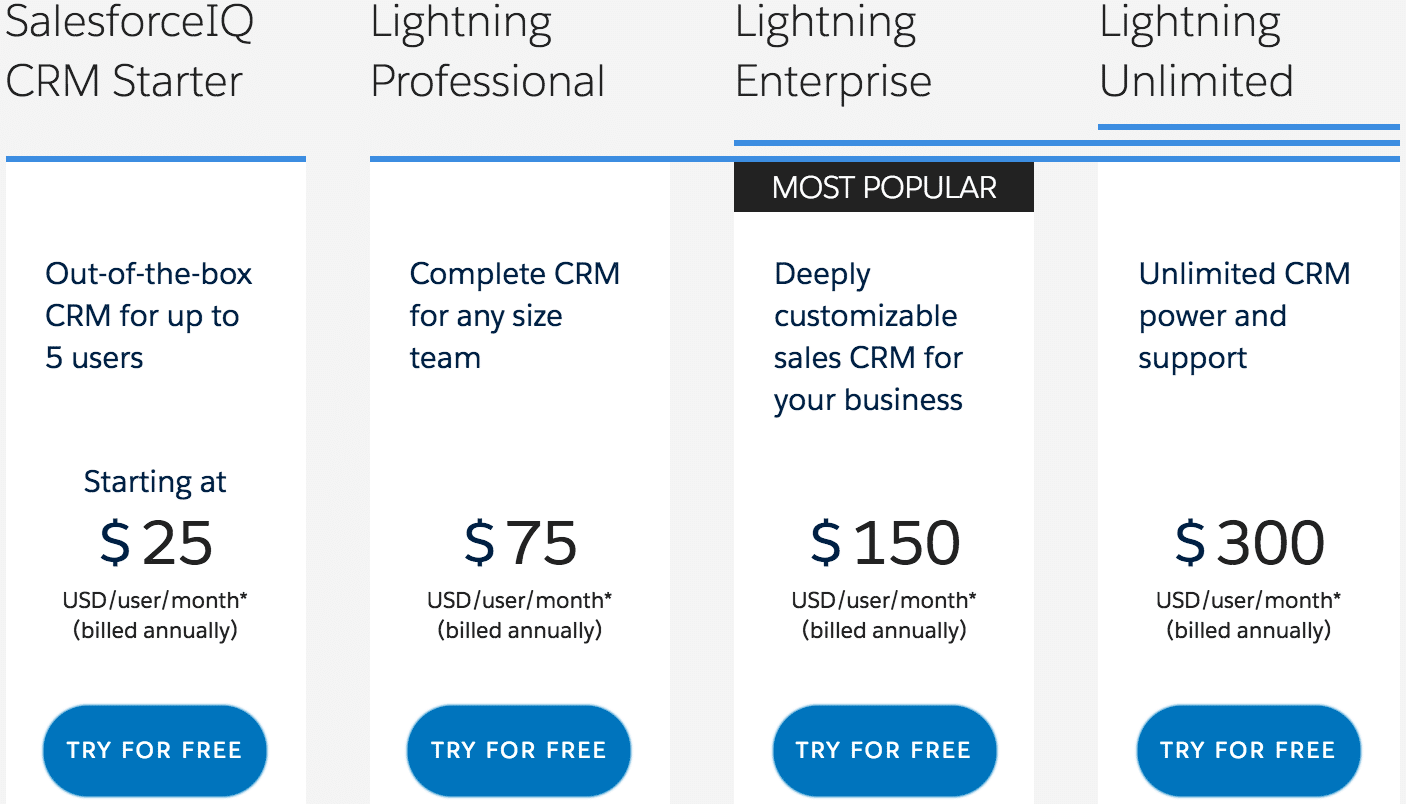
Types of CRM software costs
When considering CRM software, it’s essential to understand the different types of costs involved, as they can significantly impact the overall expense for a business.
Subscription Costs
- Subscription costs are recurring fees paid to access and use the CRM software.
- These costs can vary based on the number of users and features included in the subscription plan.
- For example, Salesforce offers subscription plans ranging from $25 to $300 per user per month.
Implementation Costs
- Implementation costs cover the initial setup and configuration of the CRM software.
- These costs can include data migration, integration with existing systems, and customization.
- Companies like Zoho CRM may incur implementation costs ranging from $1,000 to $10,000.
Customization Costs
- Customization costs involve tailoring the CRM software to meet specific business requirements.
- These costs can include creating custom fields, workflows, and reports.
- A company like HubSpot may spend $5,000 to $20,000 on customization to align the CRM with their processes.
Factors influencing CRM software costs
When it comes to the cost of CRM software, there are several key factors that influence pricing. Understanding these factors is crucial in making informed decisions about which CRM solution is right for your business.
Vendor Reputation and Features
One of the main factors that influence CRM software costs is the reputation of the vendor and the features offered in the software. Established vendors with a strong track record of delivering quality products may charge higher prices for their CRM solutions compared to newer or less reputable vendors. Additionally, CRM software with advanced features such as AI integration, automation capabilities, and analytics tools may come at a higher cost.
Scalability and Customization
The scalability and customization options of a CRM software also play a significant role in determining its cost. CRM solutions that can easily scale with your business as it grows, and offer extensive customization options to tailor the software to your specific needs, may come at a higher price point. On the other hand, basic CRM software with limited scalability and customization features may be more affordable.
Integration Capabilities
Another factor that influences CRM software costs is its integration capabilities. CRM solutions that seamlessly integrate with other business applications and systems, such as marketing automation tools, e-commerce platforms, and accounting software, may be priced higher due to the added value they provide in streamlining workflows and improving efficiency.
Pricing models for CRM software
When it comes to CRM software, pricing models can vary depending on the provider. Understanding the different pricing structures can help businesses make informed decisions on which option best suits their needs and budget.
Per User Pricing
Per user pricing is a common model where businesses pay a set fee for each user who accesses the CRM software. This model can be cost-effective for smaller teams but may become expensive as the number of users increases. Some CRM vendors offer discounts for bulk user purchases, making it more affordable for larger organizations.
Tiered Pricing
Tiered pricing involves different pricing levels based on the features and functionalities offered by the CRM software. Businesses can choose a tier that aligns with their requirements, paying more for advanced capabilities. This model allows for scalability and flexibility, as companies can upgrade to higher tiers as their needs grow.
Pay-as-you-go Pricing
Pay-as-you-go pricing allows businesses to pay for CRM software on a usage basis. This model is beneficial for companies with fluctuating user numbers or seasonal demands. Businesses only pay for what they use, making it a cost-effective option for organizations that require flexibility in their CRM software usage.
Pros and Cons
- Per User Pricing: Pros include easy scalability and clear cost allocation per user. However, cons may include higher costs for larger teams.
- Tiered Pricing: Pros include flexibility and the ability to access advanced features. Cons may include paying for features that are not needed.
- Pay-as-you-go Pricing: Pros include cost-effectiveness and flexibility in usage. Cons may include potential unpredictability in monthly costs.
Hidden costs of CRM software
When considering CRM software costs, it’s important to be aware of the hidden costs that can arise during implementation and maintenance. These additional expenses can significantly impact the total cost of ownership for a CRM system.
Customization and Integration
One common hidden cost of CRM software is the need for customization and integration with existing systems. This can involve hiring developers or consultants to tailor the software to your specific business needs and ensure seamless integration with other tools.
Data Migration and Training
Another often overlooked cost is data migration from old systems to the new CRM platform. This process can be complex and time-consuming, requiring resources for data cleansing and validation. Additionally, training employees on how to use the new software effectively can incur additional expenses.
Scalability and Upgrades
As your business grows, you may need to scale up your CRM software to accommodate more users or features. Upgrades and expansions can come with hidden costs, including licensing fees, hardware upgrades, and additional training for employees.
Vendor Lock-In and Support
Choosing a CRM software vendor often involves long-term commitments and contracts. Hidden costs can arise if you need to switch vendors or if the vendor raises prices unexpectedly. Additionally, ongoing support and maintenance fees can add up over time.
Tips to Uncover and Mitigate Hidden Costs
- Thoroughly research and compare CRM software vendors to understand their pricing structures and hidden costs.
- Ask vendors for detailed breakdowns of costs, including any potential additional expenses for customization, training, or support.
- Consider the long-term scalability and flexibility of the CRM software to avoid unexpected costs for upgrades or expansions.
- Consult with IT experts or consultants to evaluate the total cost of ownership and identify any potential hidden costs before committing to a CRM system.
Cost comparison between on-premise and cloud-based CRM solutions
When comparing the costs of on-premise CRM solutions to cloud-based CRM solutions, several factors come into play that can impact the overall expenses involved.
Initial Investment
- On-premise CRM solutions typically require a higher initial investment as they involve purchasing hardware, software licenses, and implementation costs upfront.
- Cloud-based CRM solutions, on the other hand, have lower initial costs since there is no need to invest in hardware or extensive implementation.
Maintenance Costs
- On-premise CRM solutions often have higher maintenance costs due to the need for internal IT support, software updates, and ongoing maintenance of hardware.
- Cloud-based CRM solutions have lower maintenance costs as the provider takes care of updates, security, and infrastructure maintenance.
Scalability
- On-premise CRM solutions may have limitations in terms of scalability, requiring additional costs for expanding user licenses or storage capacities.
- Cloud-based CRM solutions offer more flexibility and scalability options without significant additional costs for scaling up or down.
Long-term Implications
- Choosing on-premise CRM solutions can result in higher long-term costs due to maintenance, upgrades, and scalability limitations.
- Cloud-based CRM solutions may provide cost savings over the long term by eliminating the need for extensive maintenance and offering more scalable options.
Total cost of ownership (TCO) for CRM software
In the realm of CRM software, Total Cost of Ownership (TCO) refers to the overall cost associated with acquiring, implementing, and maintaining a CRM solution over its lifecycle. TCO encompasses not only the initial purchase price but also ongoing expenses like customization, training, support, and upgrades.
Components of TCO for CRM software
- Initial Software Costs: This includes the upfront purchase or subscription fees for the CRM software.
- Implementation Costs: Expenses related to customization, integration, data migration, and deployment of the CRM solution.
- Training Costs: Investment in training programs to ensure users can effectively utilize the CRM software.
- Support and Maintenance Costs: Fees for ongoing technical support, updates, and maintenance to keep the CRM system running smoothly.
- Hardware Costs: Expenses for hardware infrastructure required to run the CRM software, if applicable.
Calculating TCO for CRM software: A Case Study
Company X decides to implement a cloud-based CRM solution. The initial software cost is $10,000, implementation costs amount to $5,000, training costs total $2,000, and annual support and maintenance expenses are $3,000. Over a three-year period, the hardware costs add up to $4,000. Calculating the TCO:
TCO = Initial Software Costs + Implementation Costs + Training Costs + (Support & Maintenance Costs x 3) + Hardware Costs
TCO = $10,000 + $5,000 + $2,000 + ($3,000 x 3) + $4,000
TCO = $10,000 + $5,000 + $2,000 + $9,000 + $4,000
TCO = $30,000
Strategies for Reducing TCO and Optimizing Costs
- Choose the Right CRM Solution: Select a CRM software that aligns with your business needs to avoid unnecessary customization costs.
- Invest in Training: Well-trained users can maximize the benefits of the CRM system, reducing errors and the need for support.
- Regularly Review and Optimize: Periodically assess the CRM software usage to identify areas for improvement and cost optimization.
- Consider Cloud-Based Solutions: Cloud CRM systems typically have lower TCO due to reduced hardware and maintenance costs.
- Negotiate with Vendors: Seek opportunities to negotiate pricing, especially for long-term contracts or bundled services.
ROI analysis for CRM software investment
When considering investing in CRM software, it is essential to conduct a thorough ROI analysis to determine the potential return on investment. This analysis allows businesses to evaluate the financial benefits and cost savings that can be achieved by implementing a CRM system.
Calculating Return on Investment
To calculate the return on investment from CRM software, businesses can use the following framework:
- Identify initial investment costs, including software licensing, implementation, training, and customization.
- Quantify the benefits such as increased sales, improved customer retention, and enhanced marketing effectiveness.
- Consider cost savings from reduced manual tasks, improved productivity, and streamlined processes.
- Factor in long-term value and intangible benefits like customer satisfaction, brand loyalty, and competitive advantage.
Key Metrics and Factors for ROI Evaluation
- Customer Acquisition Cost (CAC) and Customer Lifetime Value (CLV).
- Conversion rates, sales cycle length, and lead-to-close ratio.
- Customer retention rate, churn rate, and customer satisfaction scores.
- Cost per lead, marketing ROI, and campaign effectiveness.
Comparative Analysis of CRM Options
- Compare different CRM software options based on their potential ROI by evaluating features, scalability, integration capabilities, and user adoption.
- Consider vendor reputation, customer reviews, and industry-specific requirements to determine the best fit for your business.
- Calculate the projected ROI for each CRM solution to make an informed decision on the most cost-effective investment.
Customization costs of CRM software
Customizing CRM software to align with specific business needs can incur additional costs that should be carefully considered. Tailoring the software to fit your organization’s unique requirements can enhance efficiency and productivity but comes with financial implications.
Types of CRM Customization
- Workflow automation: Implementing custom workflows to streamline processes and automate tasks can cost between $5,000 to $20,000 depending on complexity.
- Report customization: Customizing reports to display relevant metrics and insights may range from $3,000 to $10,000 based on the level of detail required.
- Integration with third-party applications: Integrating CRM software with external tools or systems can cost between $2,000 to $15,000 depending on the number of integrations and complexity.
Businesses need to assess the potential return on investment (ROI) of CRM customization by evaluating the impact on operational efficiency, customer satisfaction, and revenue generation.
Trade-offs between Customization and Standard Features
While customization can enhance the effectiveness of CRM software, businesses should weigh the benefits against the costs. Opting for extensive customization may lead to higher expenses compared to utilizing standard features provided by the CRM solution.
| Customization Type | Cost Range |
|---|---|
| Workflow Automation | $5,000 – $20,000 |
| Report Customization | $3,000 – $10,000 |
| Integration with Third-party Applications | $2,000 – $15,000 |
Training and support costs for CRM software
Training and support costs are crucial components of the overall expenses associated with implementing CRM software. Adequate training ensures that users can effectively utilize the system, maximizing its benefits and return on investment. On the other hand, ongoing support is essential to address any issues or concerns that may arise during system usage, ensuring smooth operations.
Types of Training Programs and Costs
- In-Person Training: This traditional method involves face-to-face sessions with trainers and can be the most expensive option due to travel and accommodation costs.
- Online Training: Conducted through webinars or virtual classrooms, online training offers flexibility and cost-effectiveness compared to in-person sessions.
- On-Demand Training: Users can access pre-recorded training modules at their convenience, offering self-paced learning with minimal additional costs.
Impact of Ongoing Support Costs
Ongoing support costs, such as maintenance fees and helpdesk services, contribute significantly to the total cost of ownership for CRM software. These expenses ensure timely assistance and software updates to address evolving business needs and technical requirements.
Cost and Benefits Comparison of Training Programs
| Training Program | Cost | Benefits |
|---|---|---|
| In-Person Training | High | Interactive, personalized instruction |
| Online Training | Moderate | Flexibility, cost-effective |
| On-Demand Training | Low | Self-paced, accessible anytime |
Calculating Total Cost of Ownership
- Identify all direct and indirect costs associated with CRM software implementation, including licensing, customization, training, and support.
- Estimate the duration and frequency of training programs for users and factor in associated costs.
- Consider ongoing support fees, including maintenance and helpdesk services, over the software’s lifespan.
- Sum up all costs to calculate the total cost of ownership for CRM software, providing a comprehensive overview of expenses.
Negotiating CRM software costs
Negotiating the cost of CRM software with vendors can be a crucial step in maximizing your investment. By following some key tips and best practices, you can potentially secure better deals and ensure that you are getting the most value for your money. Transparency and clarity are essential in these negotiations to avoid any misunderstandings and ensure both parties are on the same page.
Strategies for Negotiating CRM Software Costs
- Do Your Research: Before entering into negotiations, make sure to research the market prices for CRM software and understand the typical costs associated with different features and functionalities.
- Highlight Your Needs: Clearly outline your specific requirements and priorities to the vendor. This can help in customizing the pricing based on the features that are most important to your business.
- Ask for Discounts: Don’t be afraid to ask for discounts or special promotions. Vendors may be willing to offer lower prices to secure your business, especially if you are a long-term customer.
- Consider Bundling: If you are interested in purchasing additional services or modules, inquire about bundling them together for a discounted price. This can help you save money in the long run.
- Request Flexible Payment Terms: Negotiate payment terms that work best for your budget, such as installment payments or deferred payment options. This can help ease the financial burden of implementing CRM software.
Cost-effective strategies for implementing CRM software
Implementing CRM software can be a significant investment for any business, but there are cost-effective strategies that can help streamline the process without compromising on quality. By optimizing resources and leveraging efficient practices, companies can successfully implement CRM software while keeping costs in check.
Leveraging existing resources
One cost-effective strategy for implementing CRM software is to leverage existing resources within the organization. This includes utilizing in-house expertise, repurposing hardware or software tools, and maximizing the capabilities of current IT infrastructure. By making the most of what is already available, companies can reduce the need for additional investments and save on implementation costs.
Choosing the right implementation partner
Another key strategy is to carefully select the right implementation partner. Working with a reputable vendor or consultant who has experience in CRM software implementation can help streamline the process and avoid costly mistakes. By partnering with experts who understand the intricacies of CRM systems, businesses can ensure a smooth and efficient implementation that stays within budget.
Prioritizing key functionalities
To keep costs down, it’s essential to prioritize key functionalities during the implementation process. By focusing on essential features that align with business objectives, companies can avoid unnecessary customization or add-ons that can drive up costs. Identifying and implementing core functionalities first can help businesses get the most out of their CRM software investment without overspending.
Training and support optimization
Training and support are crucial components of successful CRM software implementation, but they can also contribute significantly to costs. To optimize training and support expenses, companies can leverage online resources, self-paced training modules, and peer-to-peer learning opportunities. By empowering employees to become proficient users of the CRM system, businesses can reduce the need for extensive training programs and minimize associated costs.
Real-life example: Company XYZ
Company XYZ, a medium-sized retail business, successfully implemented CRM software using cost-effective strategies. By leveraging their existing IT infrastructure, choosing a knowledgeable implementation partner, prioritizing key functionalities, and optimizing training resources, Company XYZ was able to complete the implementation within budget and on schedule. The streamlined approach not only saved costs but also ensured a smooth transition to the new CRM system, leading to improved customer relationships and business growth.
Budgeting for CRM software costs
Effective budgeting for CRM software costs is crucial for businesses looking to implement a CRM system. By creating a comprehensive budget that considers all expenses and factors in potential hidden costs, businesses can avoid financial surprises and ensure a successful CRM implementation. Setting aside contingency funds for unexpected costs is also important to maintain financial stability throughout the process.
Different Pricing Models in CRM Software
- Subscription-Based Pricing: This model involves paying a monthly or annual fee for access to the CRM software. It is a popular choice for businesses looking for flexibility and scalability in their CRM solution.
- Perpetual License Pricing: In this model, businesses pay a one-time fee for the CRM software license, along with additional costs for maintenance and support. It is a more traditional approach to CRM pricing.
- Usage-Based Pricing: With this model, businesses pay based on the number of users or the level of usage of the CRM software. It offers a cost-effective solution for companies with fluctuating user numbers.
Hidden Costs of CRM Implementation
- Integration Costs: Businesses may need to invest in integrating the CRM software with existing systems, which can incur additional expenses.
- Data Migration Costs: Transferring data from legacy systems to the new CRM software can be a complex and costly process.
- Training and Support Costs: Providing training for employees and ongoing support for the CRM software can add to the overall cost of implementation.
Cost-Benefit Analysis for CRM Investment
Performing a cost-benefit analysis can help businesses evaluate the return on investment (ROI) of implementing a CRM system. By comparing the total costs of the CRM software with the expected benefits, businesses can make informed decisions about the value of the investment.
Negotiating with CRM Software Vendors
- Explore Discounts: Negotiate with CRM software vendors to secure discounts or special pricing based on your business needs and budget constraints.
- Bundle Services: Consider bundling additional services or features with the CRM software to maximize value and potentially reduce costs.
- Long-Term Contracts: Signing long-term contracts with CRM vendors can sometimes lead to cost savings and added benefits for businesses.
Cost-saving tips for optimizing CRM software expenses
When it comes to CRM software expenses, there are several ways businesses can save costs while still maximizing the value of the system. By implementing cost-saving strategies, companies can optimize their CRM software expenses and ensure efficient resource allocation.
Utilize Free or Open-Source CRM Software
One effective way to save costs on CRM software is to explore free or open-source options available in the market. These solutions often provide basic CRM functionalities without the hefty price tag associated with premium software.
Streamline Customization and Integration Processes
Another cost-saving tip is to streamline the customization and integration processes of CRM software. By clearly defining requirements and avoiding unnecessary customizations, businesses can save on development costs and reduce implementation timelines.
Regularly Train Users to Maximize Efficiency
Investing in regular training sessions for CRM software users can help maximize efficiency and reduce the need for external support. By ensuring that employees are well-versed in using the system, businesses can avoid costly mistakes and improve overall productivity.
Opt for Cloud-Based CRM Solutions
Choosing a cloud-based CRM solution can also result in significant cost savings for businesses. Cloud-based systems eliminate the need for expensive hardware installations and maintenance, offering a more cost-effective alternative for companies of all sizes.
Monitor and Analyze Usage Data
By regularly monitoring and analyzing usage data of CRM software, businesses can identify areas of inefficiency and optimize resource allocation. This data-driven approach can help organizations make informed decisions to reduce unnecessary expenses and maximize the value of the system.
Industry benchmarks for CRM software costs
In the business world, understanding industry benchmarks for CRM software costs is essential to make informed decisions and optimize investments. Let’s delve into a comparison of CRM software costs across different sectors and explore how various factors influence expenditure.
Telecommunications Industry vs. Healthcare Industry
In the telecommunications industry, CRM software costs tend to be higher due to the need for robust customer engagement tools and advanced analytics capabilities to manage a large customer base efficiently. On the other hand, the healthcare industry often prioritizes HIPAA compliance and patient data security, leading to investments in CRM solutions tailored to meet these specific requirements.
Average IT Budget Allocation in Financial Services Sector
Within the financial services sector, companies typically allocate an average of 10-15% of their IT budget to CRM software. This significant investment reflects the sector’s emphasis on building strong customer relationships, enhancing customer experience, and driving sales through personalized interactions.
Different Pricing Models in CRM Software
– Subscription-based: Companies pay a recurring fee for access to the CRM software and support services.
– One-time purchase: Businesses make a single payment to acquire the CRM software license permanently.
– Freemium options: Basic CRM functionalities are offered for free, with additional features available for a fee.
Influence of Company Size on CRM Software Spending
The size of a company, measured by the number of employees, plays a crucial role in determining the amount spent on CRM software. Larger enterprises with extensive customer databases and complex sales processes often invest more in sophisticated CRM solutions to streamline operations and scale their customer management efforts effectively.
Case Studies: CRM Investment Strategies
1. Company A (Telecommunications): Implemented a cloud-based CRM solution to centralize customer data, automate marketing campaigns, and improve cross-selling opportunities. Resulted in a 20% increase in customer retention and a 15% rise in sales revenue.
2. Company B (Healthcare): Adopted a CRM software with integrated patient management features to enhance care coordination, patient engagement, and appointment scheduling. Achieved a 25% reduction in administrative costs and a 30% improvement in patient satisfaction.
Future trends in CRM software costs
The landscape of CRM software costs is constantly evolving, influenced by market dynamics and technological advancements. Understanding the future trends in CRM software costs is crucial for businesses looking to optimize their investments in customer relationship management tools.
Subscription-based pricing vs. upfront licensing costs
In the future, we can expect to see a continued shift towards subscription-based pricing models for CRM software. This trend allows businesses to access advanced features and updates continuously without the need for large upfront investments. However, some companies may still prefer traditional upfront licensing costs for CRM software, especially if they require extensive customization or have specific security requirements.
Impact of artificial intelligence integration
As artificial intelligence (AI) continues to play a significant role in CRM software development, we may see a rise in costs associated with AI-powered features. CRM software providers are likely to invest more in AI capabilities, leading to potential cost increases for businesses seeking advanced automation and predictive analytics functionalities.
Customization options and pricing
The availability of customization options in CRM software can impact overall costs for businesses. While basic CRM solutions may come at a lower price point, companies requiring extensive customization to meet their unique needs may incur higher costs. Future trends may see a balance between standard features and customization options to cater to varying budget constraints.
Cloud-based solutions and pricing strategies
Cloud-based CRM solutions are expected to continue influencing pricing strategies in the future. The scalability, flexibility, and cost-efficiency of cloud-based CRM platforms make them an attractive option for businesses of all sizes. As more companies migrate to the cloud, CRM software vendors may adjust their pricing models to remain competitive and accommodate the growing demand for cloud-based solutions.
Last Recap
As businesses navigate the realm of CRM software cost, it becomes evident that strategic planning and informed decisions are paramount. By grasping the nuances of expenses and optimization strategies, organizations can harness the full potential of CRM solutions.
