AI-Powered CRM Software is reshaping the landscape of customer relationship management, offering a glimpse into a future where data-driven insights drive business success. Dive into the world of AI-enhanced CRM tools and discover the endless possibilities that await.
Introduction to AI-Powered CRM Software
AI-powered CRM software leverages artificial intelligence technologies to enhance customer relationship management processes. Unlike traditional CRM systems that rely on manual data entry and analysis, AI-powered CRM software automates tasks, provides predictive insights, and personalizes customer interactions.
Benefits of AI in CRM Software
- Improved Customer Insights: AI algorithms analyze vast amounts of data to uncover patterns and trends, enabling businesses to understand customer preferences better.
- Enhanced Lead Management: AI automates lead scoring and prioritization, helping sales teams focus on high-potential prospects.
- Personalized Customer Interactions: AI-powered CRM software tailors communication and offers based on individual customer behavior and preferences.
- Efficient Task Automation: AI streamlines routine tasks such as data entry, scheduling, and follow-ups, freeing up time for more strategic activities.
Popular AI-Powered CRM Software
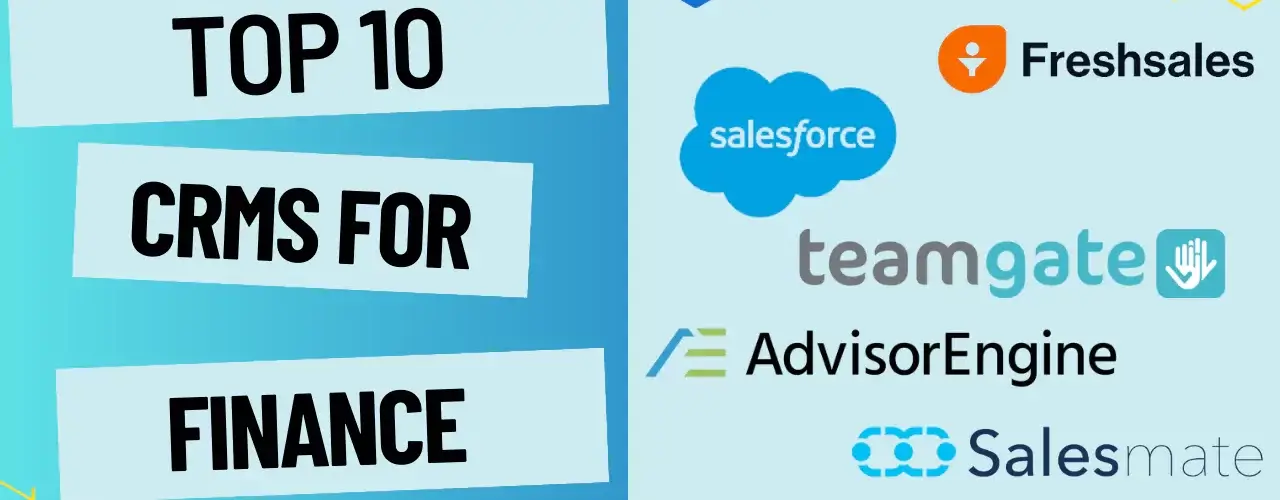
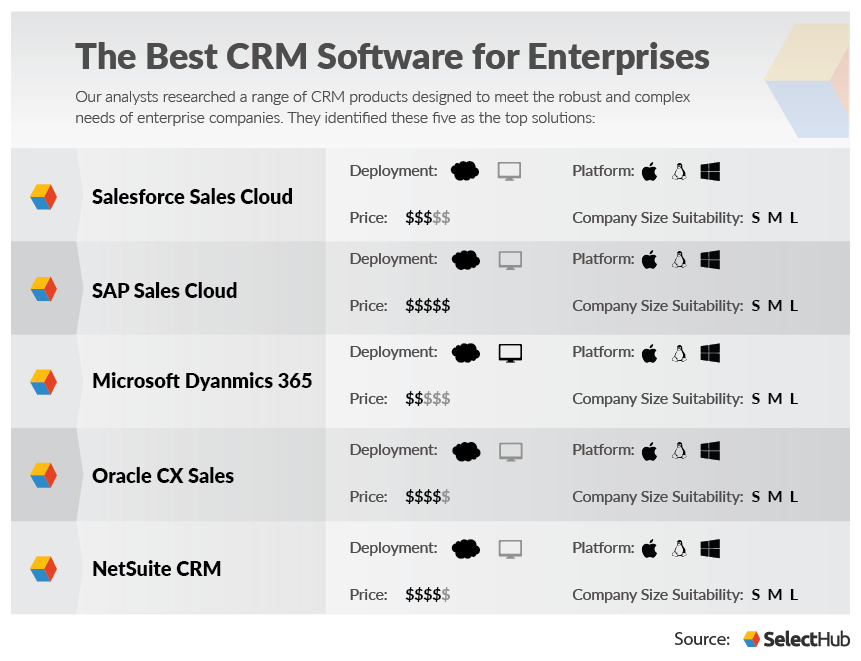
- Salesforce Einstein: Salesforce’s AI platform offers predictive analytics, lead scoring, and personalized recommendations to boost sales and marketing efforts.
- HubSpot CRM: HubSpot integrates AI capabilities for lead management, email tracking, and customer segmentation, facilitating targeted marketing campaigns.
- Zoho CRM: Zoho CRM employs AI to automate workflows, analyze customer interactions, and forecast sales trends for informed decision-making.
Impact of AI on Customer Relationship Management
AI revolutionizes customer relationship management by enabling businesses to deliver personalized experiences, improve operational efficiency, and drive revenue growth. With AI-powered CRM software, organizations can build stronger customer relationships, increase customer satisfaction, and stay ahead of competitors in today’s data-driven market.
Features of AI-Powered CRM Software
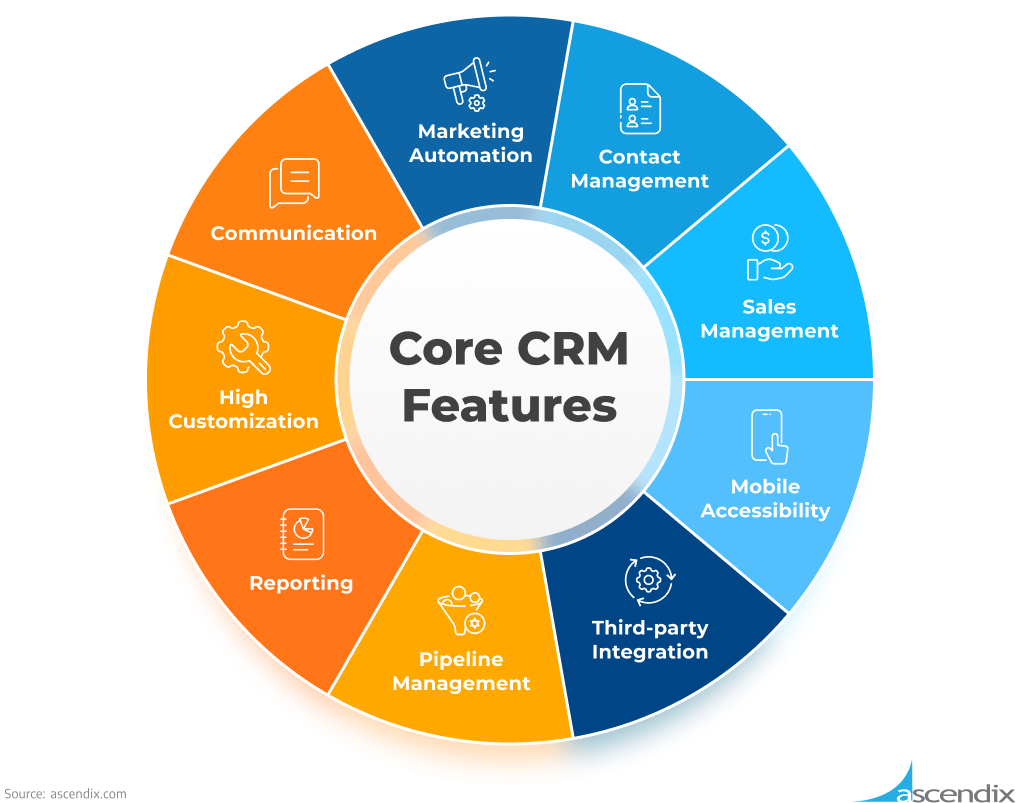
AI-powered CRM software offers a range of advanced features that set it apart from traditional CRM tools. These features leverage artificial intelligence to enhance customer data management, automate tasks, improve customer interactions, and provide predictive analytics for sales forecasting and customer behavior analysis.
Enhanced Customer Data Management
AI in CRM systems helps in processing and analyzing vast amounts of customer data efficiently. By utilizing machine learning algorithms, AI can identify patterns, trends, and insights from data to personalize customer interactions and improve overall customer experience.
Role of Machine Learning
Machine learning algorithms play a crucial role in AI-powered CRM software by continuously learning from data and adapting to new information. This enables CRM systems to make data-driven decisions, predict customer behavior, and optimize marketing strategies based on real-time insights.
Automation of Repetitive Tasks
AI automates repetitive tasks such as data entry, lead scoring, and email responses, saving time for sales and marketing teams. This automation streamlines CRM processes, allowing employees to focus on more strategic activities and customer engagement.
Natural Language Processing (NLP)
NLP in AI-powered CRM software enables systems to understand and respond to customer queries in real-time. By analyzing and interpreting language patterns, NLP enhances customer interactions, providing personalized responses and improving overall communication efficiency.
AI Algorithms and Functions
AI algorithms like predictive analytics, recommendation engines, and sentiment analysis are commonly used in AI-powered CRM software. These algorithms help in forecasting sales trends, suggesting personalized product recommendations, and analyzing customer sentiment to optimize marketing campaigns.
Benefits of Predictive Analytics
AI-driven predictive analytics in CRM software assist in sales forecasting and customer behavior analysis. By analyzing historical data and identifying patterns, predictive analytics help businesses make informed decisions, anticipate customer needs, and improve sales strategies.
Personalized Marketing Strategies
AI assists in creating personalized marketing strategies by segmenting customers based on their preferences, behavior, and interactions. By delivering targeted messages and offers, AI-powered CRM systems enhance customer engagement, drive conversions, and improve loyalty.
Implementation of AI in CRM Software
AI integration into CRM systems is a crucial step towards enhancing customer experiences and streamlining business processes. Here, we will delve into the steps for integrating AI capabilities, compare deployment methods, discuss challenges, and share success stories.
Steps for Integrating AI into Existing CRM Systems
- Assess Business Needs: Identify areas where AI can add value, such as lead scoring, customer segmentation, or predictive analytics.
- Choose the Right AI Solution: Select a reputable AI-powered CRM software provider that aligns with your business requirements.
- Data Preparation: Ensure your CRM data is clean, structured, and ready for AI integration to yield accurate insights.
- Integration and Training: Integrate AI tools into your CRM system and provide training to employees on how to leverage AI capabilities effectively.
- Continuous Monitoring and Improvement: Regularly monitor AI performance, gather feedback, and make necessary adjustments for optimal results.
Comparison of Deployment Methods for AI in CRM Software
- Cloud-Based: Offers scalability, flexibility, and cost-effectiveness, with easy updates and maintenance.
- On-Premise: Provides greater control over data security and customization but may require higher upfront investment and maintenance costs.
- Hybrid: Combines the benefits of cloud-based and on-premise solutions, allowing for a tailored approach based on specific business needs.
Challenges and Considerations in Implementing AI in CRM Solutions
- Data Quality: Ensuring data accuracy, consistency, and relevance is crucial for AI algorithms to generate meaningful insights.
- Integration Complexity: Integrating AI into existing CRM systems may pose technical challenges and require expertise for seamless implementation.
- Ethical and Legal Compliance: Adhering to data privacy regulations and ethical guidelines in AI usage to maintain customer trust and data security.
Success Stories of Companies Using AI-Powered CRM Effectively
- Salesforce: Leveraging AI capabilities for predictive lead scoring, personalized recommendations, and intelligent workflow automation.
- Zoho CRM: Utilizing AI for conversational AI, sentiment analysis, and predictive analytics to enhance customer interactions and sales performance.
- HubSpot: Implementing AI-powered chatbots, email marketing automation, and predictive analytics to drive customer engagement and sales growth.
AI-Powered Analytics in CRM Software
AI-powered analytics play a crucial role in CRM software by leveraging artificial intelligence to analyze vast amounts of customer data, providing valuable insights and predictions to improve business strategies.
Role of AI in Analyzing Customer Data
AI algorithms in CRM software are designed to sift through customer data swiftly and efficiently, identifying patterns and trends that human analysis may overlook. By processing data in real-time, AI can provide actionable insights for businesses to enhance customer interactions and personalize marketing efforts.
Optimization of Marketing Campaigns
AI algorithms optimize marketing campaigns in CRM platforms by analyzing customer behavior, preferences, and past interactions to tailor messages and offers. This personalized approach improves customer engagement and conversion rates, leading to more effective marketing strategies and higher ROI.
Importance of Real-Time Analytics
Real-time analytics in AI-powered CRM software enable businesses to respond promptly to customer needs and market trends. By continuously monitoring and analyzing data, companies can make informed decisions on the spot, enhancing customer satisfaction and loyalty.
Examples of AI Analytics Impact
– Predictive analytics can forecast customer behavior, allowing businesses to anticipate needs and provide proactive solutions.
– Sentiment analysis helps businesses understand customer emotions and adjust communication strategies accordingly.
– Recommendation engines suggest products or services based on individual preferences, boosting cross-selling and upselling opportunities.
Personalization and Customer Experience with AI CRM
AI-powered CRM software plays a crucial role in enabling personalized customer interactions, ultimately enhancing the overall customer experience. By leveraging AI capabilities, CRM systems can analyze vast amounts of data to tailor interactions based on individual preferences and behaviors.
AI-Driven Personalization Strategies in CRM Software
- AI can analyze customer data to provide personalized product recommendations or offers based on past purchase history.
- Chatbots powered by AI can engage with customers in real-time, providing personalized assistance and support.
- AI can track customer interactions across multiple channels to deliver a seamless and consistent experience.
Impact of Personalized Experiences on Customer Satisfaction and Loyalty
Personalized experiences have a significant impact on customer satisfaction and loyalty. When customers feel understood and valued, they are more likely to remain loyal to a brand and recommend it to others. AI-driven personalization helps build strong relationships with customers, leading to increased satisfaction and retention rates.
Best Practices for Leveraging AI to Enhance Customer Experience in CRM
- Regularly update customer data to ensure accuracy and relevance for personalized interactions.
- Use AI algorithms to predict customer needs and preferences, proactively addressing their requirements.
- Implement feedback mechanisms to continuously improve and refine personalized experiences based on customer input.
Scenario of AI Predicting Future Needs and Preferences
In a scenario where AI is integrated into CRM systems, customer data such as browsing history, purchase patterns, and social media interactions can be analyzed to predict future needs and preferences. For example, AI can anticipate when a customer is likely to run out of a product and send a timely reminder or offer a relevant promotion.
Segmenting Customers for Personalized Marketing Campaigns
AI can segment customers based on behavior patterns, such as purchase frequency, preferences, and engagement levels. This segmentation allows businesses to tailor personalized marketing campaigns to specific customer segments, increasing the effectiveness of targeted promotions and communication strategies.
Comparison Between Rule-Based and AI-Driven Personalization
- Rule-based personalization relies on predefined criteria and static rules to customize interactions, while AI-driven personalization uses machine learning algorithms to adapt and learn from new data dynamically.
- AI-driven personalization offers greater flexibility and accuracy in predicting customer behavior and preferences compared to rule-based approaches.
Ethical Considerations in AI-Powered Personalized Customer Experiences
AI-powered personalized customer experiences raise ethical considerations such as data privacy, transparency in AI decision-making, and the potential for algorithmic bias. Organizations must ensure that AI is used responsibly and ethically to maintain trust and integrity in customer interactions.
Automation and Workflow Efficiency in AI CRM
In the realm of AI-powered CRM systems, automation plays a crucial role in streamlining processes and enhancing workflow efficiency. By leveraging artificial intelligence, organizations can automate repetitive tasks, optimize resource allocation, and improve overall productivity. Let’s delve deeper into the impact of AI-driven automation in CRM.
Benefits of AI-driven Automation
- Increased Sales Efficiency: AI can analyze customer data to predict buying behavior, prioritize leads, and suggest personalized sales strategies, leading to higher conversion rates.
- Enhanced Marketing Campaigns: AI automation can segment target audiences, personalize marketing messages, and optimize campaign performance based on real-time data, ultimately improving ROI.
- Improved Customer Service: AI-powered chatbots can provide instant responses to customer queries, resolve issues efficiently, and offer 24/7 support, enhancing customer satisfaction.
Case Studies on Improved Efficiency
- Company X implemented AI-driven automation in their CRM system, resulting in a 30% increase in sales productivity and a 20% reduction in response time to customer inquiries.
- Organization Y integrated AI tools for workflow automation, leading to a 25% decrease in marketing costs and a 15% improvement in customer retention rates.
Tips for Optimizing Workflow Automation
- Define Clear Objectives: Clearly outline the goals you want to achieve through automation to ensure effective implementation.
- Continuous Monitoring: Regularly monitor and analyze AI-generated insights to make informed decisions and refine automation processes.
- Employee Training: Provide training to employees on utilizing AI tools effectively to maximize the benefits of automation.
AI in Predictive Analytics and Forecasting
AI plays a crucial role in predictive analytics within CRM systems by analyzing historical data, identifying patterns, and forecasting future trends. This enables businesses to make data-driven decisions, anticipate customer needs, and optimize resource allocation.
Integration of AI Tools with CRM Platforms
To ensure seamless automation, organizations need to integrate AI tools with existing CRM platforms. This involves mapping data sources, configuring algorithms, and testing the integration to ensure compatibility and optimal performance.
AI Algorithms for CRM Automation
- Machine Learning Algorithms: Utilized for predictive analytics, lead scoring, and churn prediction, offering accurate insights for decision-making.
- Natural Language Processing (NLP): Powers chatbots and sentiment analysis, enhancing customer interactions and feedback analysis.
- Deep Learning: Enables advanced image and speech recognition capabilities, enhancing data processing and customer engagement.
Importance of Data Quality for AI-powered Automation
High-quality data is essential for successful AI-powered automation in CRM systems. Accurate and reliable data ensures that AI algorithms generate meaningful insights, make precise predictions, and drive efficient workflow automation.
Integration Capabilities of AI CRM Software
AI-powered CRM software offers seamless integration capabilities with other business applications, enhancing efficiency and productivity in customer relationship management. Integrations play a crucial role in providing a holistic view of customer data and improving decision-making processes.
Common Integrations Supported by AI CRM Software
- Email Marketing Platforms: Integration with email marketing tools allows for targeted and personalized communication with customers based on AI-driven insights.
- Helpdesk Systems: Integration with helpdesk software enables automated ticketing, efficient issue resolution, and enhanced customer support experiences.
- E-commerce Platforms: Integration with e-commerce systems facilitates real-time tracking of customer interactions, purchase history, and personalized recommendations.
Impact of Integrated Data on Customer Insights and Decision-Making
Integrating data from various sources into the AI CRM platform provides a comprehensive view of customer interactions, preferences, and behaviors. This integrated data enables businesses to generate actionable insights, predict customer needs, and make informed decisions to drive growth and enhance customer satisfaction.
Examples of Successful Integrations with AI CRM Platforms
- Integration with Marketing Automation Tools: By integrating AI CRM software with marketing automation platforms, businesses can create targeted campaigns, analyze customer engagement metrics, and optimize marketing strategies.
- Integration with Business Intelligence Software: Connecting AI CRM software with business intelligence tools allows for in-depth analysis of customer data, trends identification, and forecasting for strategic planning.
- Integration with Social Media Platforms: Integrating AI CRM software with social media channels enables businesses to track customer interactions, sentiment analysis, and engagement metrics for personalized customer experiences.
Security and Data Privacy in AI CRM
AI-powered CRM software brings a host of benefits to businesses, but it also raises concerns regarding security and data privacy. Let’s delve into the challenges associated with ensuring the protection of sensitive information in AI CRM systems.
Security Challenges with AI-powered CRM Software
- Increased susceptibility to cyber threats: The use of AI opens up new avenues for cybercriminals to exploit vulnerabilities in the system.
- Data breaches and leaks: With vast amounts of customer data being processed, there is a higher risk of breaches leading to exposure of personal information.
- Integration complexities: Integrating AI into CRM systems can create security loopholes if not done correctly, potentially compromising data integrity.
How AI Enhances Data Privacy and Compliance in CRM Systems
- Enhanced threat detection: AI algorithms can analyze patterns and anomalies to detect potential security breaches in real-time, improving incident response.
- Data encryption and anonymization: AI-driven encryption techniques and data anonymization processes can safeguard sensitive information from unauthorized access.
- Automated compliance monitoring: AI can help automate compliance checks and audits, ensuring adherence to data protection regulations.
Best Practices for Securing Customer Data in AI CRM Solutions
- Implement robust access controls: Restricting access to sensitive data based on user roles and privileges can minimize the risk of unauthorized exposure.
- Regular security audits: Conducting periodic security audits and penetration testing can help identify vulnerabilities and strengthen defense mechanisms.
- Employee training: Providing comprehensive training on data security best practices to staff members can prevent human errors that may compromise data security.
Maintaining Trust and Transparency in AI CRM Implementations
- Transparent data handling: Clearly communicating how customer data is collected, processed, and stored can build trust and demonstrate a commitment to data privacy.
- Consent management: Obtaining explicit consent from customers before using their data for personalized services is essential for maintaining transparency and compliance.
- Accountability and governance: Establishing clear policies and procedures for data governance and accountability can instill confidence in customers regarding their data privacy.
Scalability and Flexibility of AI CRM Solutions
AI-powered CRM software offers scalability and flexibility that are vital for businesses to adapt and grow in today’s dynamic market. Let’s delve into the key factors that contribute to the scalability of AI CRM solutions and how they can be customized to meet evolving needs.
Factors Contributing to Scalability
One of the key factors that contribute to the scalability of AI-powered CRM software is its ability to handle large volumes of data efficiently. As a business grows, the amount of customer data also increases, and AI technology can process and analyze this data at scale, allowing for seamless expansion without compromising performance.
Another factor is the modular architecture of AI CRM solutions, which enables businesses to add or remove features based on their requirements. This flexibility ensures that the CRM system can evolve alongside the company’s changing needs, providing a scalable solution that can grow with the business.
Customization and Adaptation of AI CRM Solutions
AI CRM solutions can be customized and adapted in various ways to meet the evolving needs of a company. Businesses can tailor the AI algorithms to suit their specific requirements, whether it’s for personalized customer interactions, targeted marketing campaigns, or predictive analytics.
Additionally, AI technologies can be integrated into CRM systems through a step-by-step process that involves data mapping, model training, and algorithm deployment. By following this guide, businesses can ensure that their CRM system is equipped with the necessary AI capabilities to respond effectively to changing market dynamics.
Role of Data Management in Maintaining Scalability
Effective data management plays a crucial role in maintaining scalability and flexibility in AI CRM deployments. By implementing robust data governance practices, businesses can ensure the accuracy, consistency, and security of their data, which is essential for the success of AI-powered CRM solutions.
Furthermore, businesses can leverage AI-powered analytics to gain valuable insights from their data, enabling them to make informed decisions and adapt their CRM strategies to meet the evolving needs of their customers. This data-driven approach is key to maintaining scalability and flexibility in AI CRM deployments.
User Experience and Interface Design in AI CRM
User experience and interface design play a crucial role in the success of AI-powered CRM software. By leveraging AI capabilities, CRM platforms can enhance usability, accessibility, and overall user engagement. Let’s delve deeper into how AI transforms the user experience and interface design in CRM systems.
Enhancing User Experience with AI
AI in CRM software can personalize user interactions, tailor experiences, and streamline customer data management. By analyzing user behavior and preferences, AI algorithms can optimize the user journey, making it more intuitive and efficient. This results in a more engaging and satisfying experience for customers and users alike.
- AI-driven personalization: AI algorithms can analyze customer data to provide personalized recommendations, content, and communication, enhancing the overall user experience.
- Improved usability and accessibility: AI can automate repetitive tasks, simplify complex processes, and provide intelligent insights, making the CRM platform more user-friendly and accessible to all users.
- Optimizing user engagement: AI can analyze user interactions, predict future behaviors, and suggest proactive actions, increasing user engagement and fostering stronger relationships with customers.
Designing Intuitive Interfaces with AI Capabilities
When designing CRM interfaces with AI capabilities, it is essential to focus on simplicity, clarity, and user-centric design. By incorporating AI features seamlessly into the interface, users can benefit from intelligent insights and recommendations without feeling overwhelmed. The key best practices for designing intuitive interfaces with AI capabilities include:
- Clear navigation and information hierarchy
- Contextual guidance and support
- Visual consistency and feedback
- Personalization options and settings
Human-AI Collaboration in CRM User Experiences
While AI enhances user experiences in CRM software, the importance of human-AI collaboration cannot be overlooked. Human expertise is essential for interpreting AI-generated insights, refining user experiences, and ensuring ethical considerations are addressed. By combining the strengths of both humans and AI, CRM platforms can deliver exceptional user experiences that drive customer satisfaction and loyalty.
AI in CRM software acts as a catalyst for innovation, efficiency, and personalized user experiences, revolutionizing the way businesses interact with their customers.
Training and Adoption of AI CRM Systems
In today’s fast-paced business environment, training employees to effectively use AI-powered CRM software is crucial for maximizing its benefits. However, challenges related to user adoption and change management often arise during AI CRM implementations. To overcome these obstacles, organizations need to develop strategies that foster a culture of AI acceptance and proficiency within CRM teams.
Tips for Training Employees
- Provide hands-on training sessions to familiarize employees with the AI CRM software.
- Create personalized training plans for different departments based on their specific needs and roles.
- Offer continuous learning opportunities to keep employees updated on evolving AI CRM technologies.
Challenges of User Adoption
- Resistance to change due to fear of job displacement by AI technology.
- Lack of understanding of how AI can enhance productivity and efficiency.
- Difficulty in transitioning from traditional CRM systems to AI-powered solutions.
Strategies for Fostering AI Acceptance
- Lead by example by showcasing the benefits of AI CRM through successful implementation.
- Encourage open communication and feedback to address concerns and improve user experience.
- Reward and recognize employees who demonstrate proficiency in using AI CRM software.
Success Stories of AI CRM Training
- Company X implemented a gamified training program that resulted in a 30% increase in user adoption rates.
- Organization Y saw a significant improvement in customer satisfaction after providing tailored AI CRM training to its customer service team.
Importance of Continuous Learning
- Continuous upskilling is essential to ensure employees remain competent in utilizing AI CRM technologies effectively.
- Regular training sessions help employees stay informed about new features and functionalities of AI CRM software.
Gamification Techniques in AI CRM Training
- Implementing rewards and badges for completing training modules to enhance engagement.
- Creating friendly competition among employees to motivate participation in AI CRM training programs.
Benefits of Regular Feedback Sessions
- Gather valuable insights on the effectiveness of AI CRM training initiatives.
- Identify areas for improvement and tailor training programs to meet the specific needs of employees.
Future Trends and Innovations in AI CRM
Artificial Intelligence (AI) is continuously evolving, driving innovations in Customer Relationship Management (CRM) software. Let’s explore the emerging trends and potential impact of AI advancements on the future of CRM technology.
Enhanced Predictive Analytics
Predictive analytics powered by AI is set to revolutionize how businesses anticipate customer behavior and preferences. By analyzing vast amounts of data, AI can generate more accurate predictions, leading to targeted marketing strategies and personalized customer experiences.
Conversational AI and Chatbots
The integration of conversational AI and chatbots in CRM systems enables businesses to provide real-time, personalized support to customers. These AI-driven tools can handle routine queries, streamline customer interactions, and improve overall customer satisfaction.
AI-Powered Voice Assistants
Voice assistants like Siri, Alexa, and Google Assistant have already made their mark in consumer technology. In the realm of CRM, AI-powered voice assistants can enhance user experience by enabling hands-free interactions, scheduling appointments, and retrieving customer information quickly.
Emotion AI for Customer Sentiment Analysis
Emotion AI is a burgeoning field that aims to recognize and analyze human emotions through facial expressions, tone of voice, and other cues. In CRM, this technology can help businesses gauge customer sentiment, improve communication strategies, and tailor interactions based on emotional cues.
AI-Driven Hyper-Personalization
Hyper-personalization goes beyond traditional segmentation by delivering highly personalized experiences to individual customers. AI algorithms can analyze customer data in real-time to offer tailored product recommendations, content, and promotions, fostering stronger customer relationships.
Blockchain Integration for Data Security
Blockchain technology offers unprecedented security and transparency in data management. By integrating blockchain with AI CRM systems, businesses can ensure the integrity and privacy of customer data, building trust and compliance in an era of heightened data regulations.
Use Cases and Industry Applications of AI CRM
AI-powered CRM software has revolutionized customer relationship management across various industries by leveraging advanced technologies to enhance customer interactions and drive business growth. Let’s delve into some key use cases and industry applications of AI CRM.
Retail Industry
In the retail sector, AI CRM is utilized to analyze customer data and behavior patterns, enabling personalized product recommendations, targeted marketing campaigns, and seamless omnichannel experiences. For example, Amazon uses AI algorithms to recommend products based on customer browsing history and purchase behavior, enhancing customer engagement and boosting sales.
Healthcare Sector
AI CRM systems play a crucial role in the healthcare industry by streamlining patient communication, improving appointment scheduling, and enhancing patient care. Healthcare providers leverage AI-powered chatbots to offer 24/7 patient support and personalized medical advice, leading to better patient outcomes and increased operational efficiency.
Financial Services
In the finance sector, AI CRM solutions are employed to analyze vast amounts of financial data, detect patterns, and predict customer behavior. Banks use AI algorithms to assess credit risk, prevent fraud, and offer personalized financial recommendations to clients, ultimately improving customer satisfaction and loyalty.
Benefits of AI CRM Implementations
AI-powered CRM systems drive business growth and competitive advantage by automating repetitive tasks, optimizing customer interactions, and providing valuable insights for strategic decision-making. Companies that adopt AI CRM solutions experience increased operational efficiency, higher customer retention rates, and improved overall business performance.
Key AI Technologies in CRM
AI CRM systems integrate various technologies such as machine learning, natural language processing, and predictive analytics to analyze data, automate processes, and deliver personalized customer experiences. These advanced technologies enable companies to anticipate customer needs, tailor marketing campaigns, and enhance customer engagement effectively.
Personalization and Customer Satisfaction
AI CRM empowers businesses to personalize customer interactions by segmenting customers based on preferences, behavior, and demographics. By delivering targeted messages, customized offers, and proactive support, companies can enhance customer satisfaction, loyalty, and lifetime value, fostering long-term relationships with their customers.
Ethical Considerations and Challenges
Implementing AI in CRM solutions raises ethical considerations such as data privacy, algorithm bias, and transparency in decision-making. Companies must address these challenges by ensuring ethical AI practices, maintaining data security, and promoting transparency in AI algorithms to build trust with customers and comply with regulatory requirements.
Comparison with Traditional CRM Systems
AI-enhanced CRM solutions outperform traditional CRM systems in terms of efficiency and effectiveness by automating manual tasks, analyzing data in real-time, and providing actionable insights for personalized customer engagement. The predictive capabilities of AI CRM enable companies to anticipate customer needs, streamline processes, and drive revenue growth more effectively than conventional CRM systems.
Ethical Considerations in AI-Powered CRM
Ethical considerations play a crucial role in the development and implementation of AI algorithms in CRM software. It is essential to ensure that AI-driven decision-making processes are transparent, fair, and free from bias or discrimination to maintain trust and integrity in customer relationships.
Importance of Transparency and Fairness
Transparency and fairness are fundamental principles that must be upheld in AI-driven decision-making within CRM systems. It is imperative to provide clear explanations of how AI algorithms operate, the data they use, and the outcomes they produce. This transparency helps build trust with customers and ensures accountability in decision-making processes.
Addressing Bias and Discrimination
To address bias and discrimination in AI CRM systems, organizations must implement best practices such as data validation, diversity in dataset representation, and continuous monitoring of algorithmic outputs. By actively identifying and mitigating biases, organizations can enhance the fairness and accuracy of AI-driven decisions.
Building Ethical AI Frameworks
Developing ethical AI frameworks for CRM implementations involves creating guidelines, policies, and governance structures that prioritize ethical considerations throughout the AI lifecycle. These frameworks should emphasize ethical decision-making, data privacy protection, and accountability measures to uphold ethical standards in AI-powered CRM systems.
Customer Feedback and Satisfaction in AI CRM
Customer feedback plays a crucial role in shaping the overall satisfaction and loyalty of customers in any business. Leveraging AI in CRM systems can significantly enhance the analysis of customer feedback to drive improvements in customer satisfaction and retention.
Role of AI in Sentiment Analysis and Customer Sentiment Tracking in CRM
AI-powered CRM software can analyze customer feedback in real-time, enabling businesses to track customer sentiment effectively. By utilizing natural language processing and machine learning algorithms, AI can identify and categorize sentiments expressed by customers, providing valuable insights for improving products and services.
- AI helps in categorizing feedback into positive, negative, or neutral sentiments, allowing businesses to prioritize and address issues accordingly.
- By tracking customer sentiment over time, businesses can proactively identify trends and patterns, enabling them to make data-driven decisions to enhance customer satisfaction.
Strategies for Leveraging Customer Insights from AI CRM for Enhanced Satisfaction
Businesses can leverage customer insights generated by AI CRM systems to personalize interactions, tailor products/services to meet specific needs, and anticipate customer preferences. By analyzing feedback data, businesses can identify areas for improvement and implement targeted strategies to enhance overall customer satisfaction.
- Using AI-driven analytics, businesses can segment customers based on feedback and preferences, allowing for customized communication and offerings.
- AI can automate the process of collecting and analyzing feedback, ensuring timely responses and continuous improvement based on customer input.
Examples of Businesses Enhancing Customer Feedback Processes with AI CRM
Several leading companies have successfully implemented AI-powered CRM solutions to enhance their customer feedback processes and drive satisfaction. For instance, companies in the retail sector have utilized AI to analyze customer reviews and feedback to improve product offerings and customer service.
- Retail giant Amazon utilizes AI algorithms to analyze customer reviews and product feedback, enabling them to make data-driven decisions to enhance customer satisfaction.
- Airlines like Delta and Emirates use AI-powered CRM systems to track customer sentiment and feedback, allowing them to tailor services and offerings to meet customer expectations.
Importance of Real-Time Feedback Analysis by AI in CRM Systems
Real-time feedback analysis by AI in CRM systems enables businesses to respond promptly to customer concerns, address issues proactively, and ensure a seamless customer experience. By analyzing feedback in real-time, businesses can identify emerging trends, resolve issues quickly, and enhance overall customer satisfaction.
- AI can automatically flag urgent feedback and prioritize responses, ensuring that critical issues are addressed promptly to prevent customer dissatisfaction.
- Real-time feedback analysis allows businesses to adapt quickly to changing customer preferences and market conditions, staying ahead of competitors and meeting customer expectations.
Benefits of Personalized Customer Feedback Responses Generated by AI
Personalized customer feedback responses generated by AI CRM systems can enhance customer engagement, build trust, and foster loyalty. By tailoring responses based on customer preferences and behavior, businesses can create meaningful interactions that resonate with customers and drive satisfaction.
- AI can analyze customer data to generate personalized responses that address specific concerns or preferences, creating a more personalized and engaging customer experience.
- Personalized feedback responses can help businesses build stronger relationships with customers, increasing loyalty and lifetime value.
Process of Integrating AI-Driven Feedback Mechanisms into Existing CRM Platforms
Integrating AI-driven feedback mechanisms into existing CRM platforms involves leveraging AI technologies such as natural language processing, machine learning, and predictive analytics to automate feedback collection, analysis, and response. By seamlessly integrating AI capabilities into CRM systems, businesses can enhance feedback processes and drive improvements in customer satisfaction.
- Businesses can work with AI solution providers to customize AI algorithms to analyze feedback data specific to their industry and customer base, ensuring accurate and actionable insights.
- Integrating AI-driven feedback mechanisms requires collaboration between data scientists, AI developers, and CRM specialists to ensure a seamless implementation and alignment with business objectives.
Comparison of Effectiveness of AI-Driven Feedback Analysis with Traditional Methods in CRM
AI-driven feedback analysis offers several advantages over traditional methods in CRM, including faster data processing, real-time insights, and personalized responses. While traditional methods may rely on manual data entry and analysis, AI can automate feedback processing, provide predictive insights, and adapt to changing customer preferences more effectively.
- AI-driven feedback analysis can analyze large volumes of unstructured data quickly and accurately, providing actionable insights to improve customer satisfaction and loyalty.
- Traditional methods may be limited in their ability to process and analyze feedback data efficiently, leading to delays in addressing customer concerns and implementing necessary changes.
Last Word
In conclusion, AI-Powered CRM Software is not just a tool but a strategic advantage for businesses looking to stay ahead in a competitive market. Embrace the power of AI in CRM and unlock new opportunities for growth and customer satisfaction.
