Best CRM for Financial Services: In the fast-paced world of finance, having the right CRM can make all the difference. From improving client retention to streamlining sales pipelines, the right CRM tool can revolutionize how financial institutions operate. Let’s delve into the key aspects that make the best CRM for financial services stand out.
Importance of CRM in Financial Services
CRM systems play a crucial role in the financial services sector by enhancing customer relationships and improving overall client satisfaction. These tools help financial institutions manage leads, sales pipelines, and customer interactions more effectively, leading to increased client retention and personalized services tailored to individual preferences.

Enhancing Customer Relationships
CRM tools enable financial institutions to maintain a comprehensive view of each customer, including their financial needs, preferences, and interactions. By centralizing customer data, financial companies can provide personalized services, targeted marketing campaigns, and timely assistance to clients, ultimately strengthening customer relationships.
Improving Client Retention
Through CRM systems, financial institutions can track client interactions, identify potential issues, and address customer concerns promptly. By proactively addressing client needs and maintaining open communication channels, financial companies can enhance client satisfaction, leading to improved client retention rates.
Managing Leads and Sales Pipelines
CRM systems help financial services companies streamline lead management processes, track sales pipelines, and monitor customer interactions at each stage of the sales cycle. By efficiently managing leads and sales activities, financial institutions can increase conversion rates and drive revenue growth.
Personalizing Customer Interactions
CRM systems in financial services allow companies to personalize customer interactions based on individual preferences, behavior, and past interactions. By leveraging customer data and insights, financial institutions can offer tailored services, product recommendations, and targeted promotions, enhancing the overall customer experience.
Integration with Data Analytics
The integration of CRM with data analytics enables financial institutions to analyze customer behavior, preferences, and trends more effectively. By leveraging data-driven insights, financial companies can predict customer needs, identify cross-selling and upselling opportunities, and optimize marketing strategies for better customer engagement.
Cross-Selling and Upselling
CRM systems facilitate cross-selling and upselling of financial products by providing insights into customer profiles, preferences, and purchase history. By leveraging CRM data, financial institutions can identify opportunities to offer relevant products or services to existing clients, increasing revenue and customer lifetime value.
Security Measures
When implementing CRM solutions, financial institutions must prioritize data security to protect sensitive customer information. By implementing robust security measures, such as encryption, access controls, and regular security audits, financial companies can safeguard customer data and maintain compliance with data protection regulations.
Key Features to Look for in a CRM for Financial Services
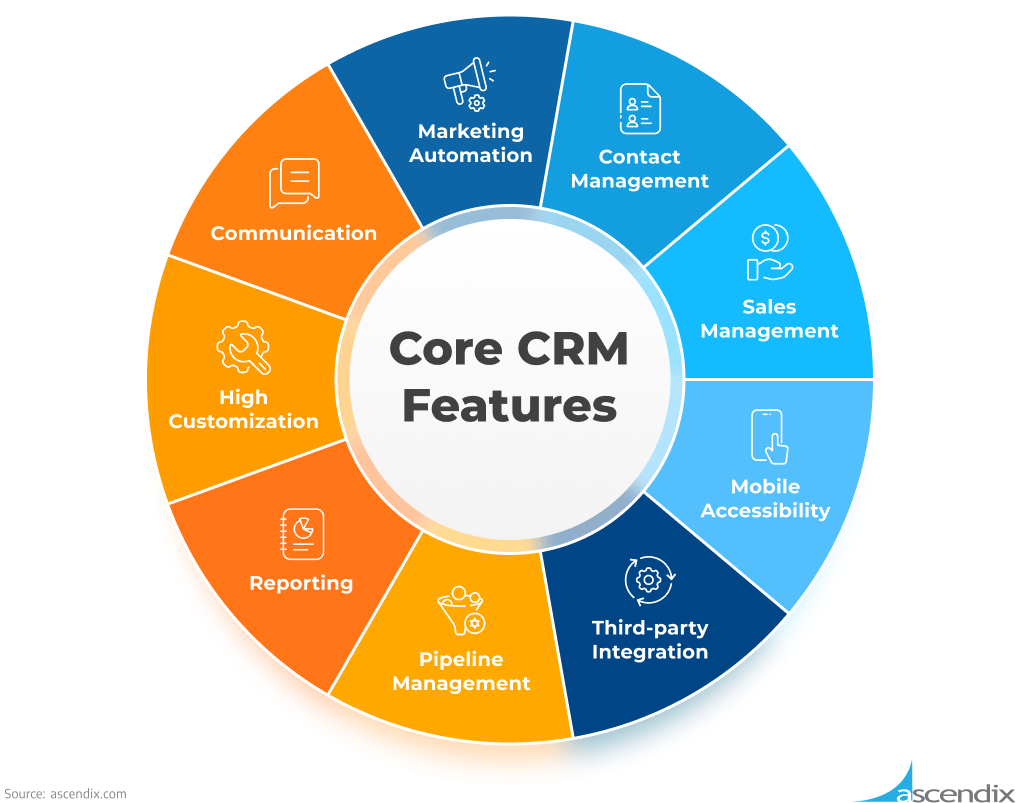
When selecting a CRM system for financial services, it is crucial to consider key features that can enhance efficiency, compliance, and customer relationship management. Here are some essential features to look out for:
Integration with Accounting Software
One of the most critical features to look for in a CRM system for financial services is seamless integration with accounting software. This integration allows for real-time updates on financial data, transactions, and client accounts, ensuring accuracy and consistency across platforms.
Importance of Compliance Tools
Compliance tools are indispensable for CRM systems in the financial industry. These tools help ensure that all interactions and transactions meet regulatory requirements and industry standards. By incorporating compliance features into the CRM, financial service providers can mitigate risks and maintain a high level of trust with clients.
Significance of Customization Options
Customization options are essential for financial service providers to tailor the CRM system to their specific needs and workflows. Whether it’s creating custom reports, designing client profiles, or setting up automated workflows, customization options enable organizations to optimize their CRM system for maximum efficiency and effectiveness.
Security Considerations for CRM in Financial Services
In the financial services sector, security is of utmost importance when it comes to CRM systems. These systems contain sensitive client information and financial data that must be protected at all costs.
Specific Security Requirements
- Compliance with Regulations: CRM platforms for financial services must comply with industry regulations such as GDPR, HIPAA, or PCI DSS to ensure data protection.
- Secure Authentication: Implementing strong authentication methods like multi-factor authentication helps prevent unauthorized access to CRM data.
- Audit Trails: Maintaining detailed audit trails allows financial institutions to track any changes or access to sensitive information within the CRM system.
Data Protection and Confidentiality
- Encryption: CRM platforms use encryption techniques to secure data both in transit and at rest, ensuring that information is protected from unauthorized access.
- Role-Based Access Controls: Implementing role-based access controls restricts users’ access to only the information necessary for their job roles, reducing the risk of data breaches.
- Data Masking: Masking sensitive data fields within the CRM system helps prevent unauthorized users from viewing or accessing confidential information.
Role of Encryption and Access Controls
- Encryption: Utilizing encryption methods such as SSL/TLS protocols ensures that data exchanged between the CRM platform and users is secure and protected from interception.
- Access Controls: Implementing granular access controls based on user roles and permissions helps limit access to sensitive data, reducing the risk of insider threats or unauthorized access.
- Tokenization: Using tokenization techniques replaces sensitive data with unique tokens, further securing the information stored in the CRM system.
Integration Capabilities with Existing Systems
Integration capabilities with existing systems play a crucial role in the efficiency and effectiveness of CRM systems within financial services. Seamless integration with legacy systems allows financial firms to maximize the value of their CRM investments and streamline operations.
Importance of Seamless Integration
- Integrating CRM with existing systems such as core banking platforms, trading systems, and portfolio management tools enables a holistic view of customer interactions and financial data.
- Automated data syncing between CRM and other tools eliminates manual data entry, reduces errors, and enhances data accuracy for informed decision-making.
- Seamless integration ensures a seamless flow of information across platforms, enabling financial firms to provide personalized services and improve customer experience.
Popular Integrations for CRM Systems
- Popular integrations for CRM systems in financial institutions include integrations with email marketing platforms, document management systems, and customer support tools.
- CRM integration with marketing automation tools like HubSpot or Marketo allows financial firms to track and analyze customer interactions across multiple channels.
- Integration with customer support tools such as Zendesk or Freshdesk enables efficient resolution of customer queries and issues, improving customer satisfaction.
Setting up API Integrations
- Setting up API integrations for CRM systems in financial institutions involves creating secure connections between the CRM system and external applications.
- Financial firms can use APIs to connect CRM systems with accounting software, payment gateways, and financial reporting tools for seamless data exchange.
- API integrations enable real-time data syncing, automation of repetitive tasks, and enhanced visibility into customer interactions for improved decision-making.
Benefits of Integrating with Accounting Software
- Integrating CRM systems with accounting software like QuickBooks or Xero allows financial firms to streamline financial processes, track revenue, and manage invoicing efficiently.
- Seamless integration between CRM and accounting software ensures data consistency, eliminates silos, and provides a comprehensive view of customer financial transactions.
- Financial firms can generate accurate financial reports, forecast revenue, and analyze customer profitability by integrating CRM systems with accounting software.
Cloud-Based CRM Systems vs. On-Premise Solutions
- Cloud-based CRM systems offer flexible integration capabilities with third-party applications, APIs, and plugins, making it easier to connect with existing systems compared to on-premise solutions.
- On-premise CRM solutions may require custom development for integrations with legacy systems, leading to higher implementation costs and longer deployment timelines.
- Cloud-based CRM systems provide scalability, easy updates, and seamless integrations with various tools, making them a preferred choice for financial institutions looking to modernize their operations.
Customization Options for Financial Service Providers
In the financial services industry, customization options play a crucial role in enhancing customer experience, improving operational efficiency, and driving revenue growth for financial service providers.
Integrating AI-powered chatbots for Enhanced Customer Service
AI-powered chatbots have revolutionized customer service in the financial industry by providing instant responses to customer queries, offering personalized recommendations, and improving overall customer satisfaction. These chatbots can handle a wide range of inquiries, from account balance checks to investment advice, providing 24/7 support to customers.
Personalized Recommendations for Cross-selling and Upselling
By leveraging customer data and analytics, financial service providers can offer personalized recommendations to clients, increasing the likelihood of cross-selling and upselling opportunities. These recommendations are tailored to the individual’s financial goals, risk tolerance, and investment preferences, leading to higher customer engagement and loyalty.
Implementing Data Analytics Tools for Optimal Decision-Making
Data analytics tools enable financial institutions to analyze large volumes of data in real-time, gaining valuable insights into customer behavior, market trends, and risk management. By harnessing the power of data analytics, financial service providers can make informed decisions, develop targeted marketing strategies, and identify new business opportunities.
Role of Automation in Streamlining Loan Approval Processes
Automation plays a vital role in streamlining loan approval processes within financial institutions, reducing manual errors, accelerating loan processing times, and improving overall efficiency. Automated workflows, document verification processes, and credit scoring algorithms can significantly enhance the loan approval process, leading to faster turnaround times and increased customer satisfaction.
Automation Capabilities in CRM for Financial Services
Automation features in CRM tools play a crucial role in enhancing operational efficiency and improving customer service in the financial services industry. By automating repetitive tasks like data entry and follow-ups, financial service providers can streamline their processes and focus more on building strong relationships with their clients.
Automating Repetitive Tasks
- Automating data entry: CRM systems can automatically capture and input client information, saving time and reducing errors associated with manual data entry.
- Automating follow-ups: CRM tools can send automated reminders for follow-up calls or meetings, ensuring that no important tasks slip through the cracks.
- Automating report generation: CRM software can generate reports on client interactions, sales performance, and overall business metrics, providing valuable insights for decision-making.
Impact on Customer Service and Operational Efficiency
- Improved customer service: Automation allows financial service providers to respond to client inquiries quickly and efficiently, leading to higher satisfaction levels and stronger client relationships.
- Enhanced operational efficiency: By automating routine tasks, employees can focus on more strategic activities, such as analyzing client needs and developing personalized financial solutions.
- Cost savings: Automation reduces the need for manual intervention, resulting in lower operational costs and increased productivity within the organization.
Reporting and Analytics Features
Reporting and analytics are essential components of CRM for financial services, providing valuable insights into customer behavior, sales performance, and overall business operations.
Key Reporting Metrics for Financial Services
- Customer acquisition cost (CAC): Calculating the cost of acquiring new customers helps financial institutions measure the effectiveness of their marketing and sales strategies.
- Customer lifetime value (CLV): By estimating the value a customer brings to the business over their entire relationship, financial services can focus on retaining high-value customers.
- Lead conversion rate: Tracking the percentage of leads that convert into customers helps in evaluating the efficiency of the sales process.
- Retention rate: Monitoring the rate at which customers stay with the financial institution helps in assessing customer satisfaction and loyalty.
Role of Analytics in Measuring Sales Performance and Customer Engagement
Analytics play a crucial role in evaluating the success of sales efforts and customer interactions. By analyzing data on customer interactions, transactions, and feedback, financial services can identify trends, patterns, and areas for improvement. This information enables institutions to optimize their sales strategies, tailor their services to customer needs, and enhance overall customer engagement.
Real-time Reporting Capabilities for Data-driven Decisions
Real-time reporting allows financial institutions to access up-to-date information on sales performance, customer interactions, and market trends instantly.
This enables quick decision-making based on accurate data, leading to increased efficiency, improved customer satisfaction, and better business outcomes.
Scalability and Flexibility of CRM Solutions
In the fast-paced and ever-evolving landscape of financial services, the ability of CRM solutions to scale and adapt to changing business needs is crucial for the success of growing firms. Scalability and flexibility are key factors that allow financial service providers to expand their operations, diversify their offerings, and effectively manage their client relationships.
Importance of Scalable CRM Solutions
Scalable CRM solutions enable financial service firms to accommodate growth without being hindered by technological limitations. As the client base expands and the volume of data increases, a scalable CRM system ensures that the organization can handle the additional workload efficiently. This scalability also allows for seamless integration with other systems and applications, supporting a more holistic approach to customer relationship management.
Adaptability to Changing Business Needs
Flexibility in CRM systems is essential for financial service providers to respond to changing market dynamics and regulatory requirements. A flexible CRM solution can be easily customized to meet specific business needs, whether it’s creating new workflows, adding custom fields, or integrating with third-party tools. This adaptability ensures that the CRM system remains relevant and effective in supporting the organization’s evolving objectives.
Examples of CRM Scalability in Financial Services
- Scalable CRM solutions have enabled financial institutions to expand their product offerings and enter new markets seamlessly.
- With the ability to handle large volumes of data, CRM systems have supported the growth of client portfolios and improved customer retention rates.
- Flexibility in CRM customization has allowed financial service firms to tailor their client interactions based on individual preferences, enhancing overall customer satisfaction and loyalty.
Compliance Tools and Regulations
In the financial services industry, adherence to compliance regulations is crucial to maintain trust with customers and avoid legal issues. CRM systems offer various tools to help financial institutions navigate and comply with these regulations effectively.
Compliance Tools in CRM Systems
- Automated Compliance Checks: CRM platforms can automate compliance checks by monitoring customer interactions, transactions, and communications to ensure they meet regulatory requirements.
- Document Management: CRM systems provide document storage and management capabilities to securely store and access important compliance-related documents and records.
- Audit Trail: CRM platforms create an audit trail that tracks all activities and changes made within the system, allowing for transparency and accountability.
Impact of Compliance Automation
- Reduced Risks: By automating compliance processes, financial institutions can minimize the risk of human error and ensure consistency in adherence to regulations.
- Enhanced Regulatory Compliance: CRM systems help financial institutions stay up-to-date with changing regulations by providing alerts and reminders for compliance deadlines and requirements.
- Efficiency and Cost Savings: Automation of compliance tasks leads to increased efficiency and cost savings by streamlining processes and reducing manual efforts.
Customer Segmentation and Targeting
Customer segmentation is a crucial concept in CRM for financial services as it involves dividing customers into groups based on characteristics such as demographics, behaviors, and preferences. This process helps businesses understand their customers better and tailor their marketing strategies to meet specific needs.
Role of CRM Tools in Identifying Target Customer Groups
CRM tools play a vital role in identifying target customer groups by analyzing data and providing insights into customer behavior. These tools use advanced algorithms to segment customers based on various criteria such as age, income level, spending patterns, and communication preferences. By leveraging this information, financial service providers can create targeted marketing campaigns to reach the right audience effectively.
- Utilizing demographic data: CRM systems can categorize customers based on age, gender, location, and other demographic factors to target specific groups with relevant offers and services.
- Tracking customer behaviors: By monitoring customer interactions and transactions, CRM tools can identify patterns and trends to predict future behaviors and tailor marketing efforts accordingly.
- Personalizing communication: CRM systems enable businesses to personalize communication with customers by sending targeted messages, offers, and recommendations based on their preferences and past interactions.
Importance of Personalized Communication in Targeted Marketing
Personalized communication is essential in targeted marketing efforts as it enhances customer engagement and loyalty. By delivering relevant content and offers to specific customer segments, financial service providers can build stronger relationships and increase customer satisfaction. CRM solutions empower businesses to create personalized communication strategies that resonate with customers and drive conversions.
- Enhancing customer experience: Tailoring messages to specific customer segments shows that businesses understand their needs and preferences, leading to a more personalized and engaging customer experience.
- Improving customer retention: By delivering targeted offers and promotions, financial service providers can increase customer loyalty and retention rates, ultimately boosting profitability and long-term success.
- Boosting marketing effectiveness: Personalized communication increases the effectiveness of marketing campaigns by delivering the right message to the right audience at the right time, resulting in higher response rates and conversions.
Mobile Accessibility and User Experience
In today’s fast-paced world, mobile accessibility and user experience are crucial factors in ensuring the effectiveness of CRM systems for financial service providers. Let’s delve into some key aspects related to this topic.
Integrating Voice in Mobile CRM Interfaces for Insurance Agents
Voice integration in mobile CRM interfaces can significantly benefit insurance agents by allowing them to access important information hands-free. For example, agents can use voice commands to quickly retrieve client details, schedule appointments, or update policy information, all while on the go. This not only enhances productivity but also improves overall user experience by making the CRM tool more intuitive and user-friendly.
Optimizing User Experience with Gesture-Based Navigation in Mobile CRM for Real Estate Professionals
Gesture-based navigation can streamline the user experience for real estate professionals using mobile CRM tools. By incorporating gestures like swiping, tapping, or pinching, agents can easily navigate through property listings, access relevant documents, or update client records with a simple touch. This intuitive interface enhances efficiency and ensures a seamless user experience, ultimately improving the productivity of real estate professionals.
Impact of Augmented Reality Features on Mobile CRM Applications for Sales Representatives in the Pharmaceutical Industry
Augmented reality (AR) features can revolutionize the way sales representatives in the pharmaceutical industry interact with their CRM applications. By overlaying digital information onto the real-world environment, AR can provide reps with valuable insights during client meetings, such as showcasing product details or visualizing data analytics in real-time. This immersive experience not only enhances engagement but also improves the effectiveness of sales pitches, ultimately leading to increased sales and customer satisfaction.
Benefits of Personalized Push Notifications in Enhancing User Engagement with Mobile CRM Platform for Wealth Management Advisors
Personalized push notifications play a key role in engaging wealth management advisors with their mobile CRM platform. By sending tailored alerts about upcoming client meetings, market updates, or actionable insights, advisors can stay informed and proactive in managing their clients’ portfolios. This personalized approach not only fosters stronger client relationships but also improves user engagement with the CRM platform, leading to better decision-making and overall performance in wealth management.
Training and Support for CRM Implementation
Implementing a CRM system in financial services requires more than just installing the software. Training programs and ongoing support play a crucial role in ensuring successful adoption and utilization of CRM tools. Let’s delve into the importance of training and support in CRM implementation for financial service firms.
Importance of Training Programs
Training programs are essential for financial service professionals to fully understand how to use CRM systems effectively. These programs help employees learn how to navigate the software, input data accurately, and leverage the features to enhance customer relationships. A well-designed training program can significantly improve user adoption rates and overall productivity within the organization.
- Hands-on training activities such as role-playing scenarios can simulate real-world interactions with clients, helping employees apply CRM tools in practical situations.
- Interactive training sessions can engage users and encourage active participation, leading to a better understanding of the CRM system’s capabilities.
- Customized training modules tailored to the specific needs of financial service providers can address industry-specific challenges and workflows, maximizing the benefits of CRM implementation.
Support Options from CRM Providers
CRM providers offer various support options to assist financial service firms during and after the implementation process. These support services can include technical assistance, troubleshooting guidance, and access to resources such as online tutorials or help desks. The availability of comprehensive support can ensure that any issues or questions related to CRM usage are promptly addressed, minimizing downtime and maximizing efficiency.
- 24/7 customer support for critical issues ensures that financial organizations receive immediate assistance whenever they encounter technical difficulties or system malfunctions.
- Regular software updates and maintenance support from CRM providers help financial service firms stay current with the latest features and enhancements, improving system performance and security.
- Dedicated account managers or customer success teams can provide personalized support and guidance to help financial institutions optimize their CRM strategies and achieve their business goals.
Continuous Training for Adaptation and Improvement
In the fast-paced environment of financial services, continuous training is essential for staying ahead of industry changes and adapting to evolving CRM software updates. Ongoing training programs can help employees remain proficient in using CRM tools effectively, ensuring that they can leverage new features and functionalities to enhance customer interactions and drive business growth.
- Regular training sessions on advanced CRM capabilities can empower financial service professionals to explore innovative ways to streamline processes, automate tasks, and improve customer engagement.
- Training on compliance regulations and data security measures can ensure that employees understand their responsibilities in safeguarding sensitive information and maintaining regulatory compliance within the organization.
- Feedback mechanisms and performance evaluations can help identify areas for improvement and tailor training programs to address specific skill gaps or knowledge deficiencies among staff members.
Case Studies and Success Stories
In the financial services industry, the implementation of CRM solutions has led to significant improvements in customer relationship management, operational efficiency, and overall business performance. Let’s delve into three major case studies showcasing successful CRM adoption by financial institutions in recent years.
Banking Sector Transformation
- One prominent bank revamped its customer onboarding processes by integrating a CRM system, streamlining account opening procedures, and reducing turnaround time by 30%.
- Through targeted cross-selling campaigns driven by CRM insights, the bank witnessed a 25% increase in product penetration among existing customers, resulting in a substantial revenue boost.
Credit Union Success with CRM
- Several credit unions implemented CRM solutions to enhance member engagement and personalized services, resulting in a 15% improvement in customer retention rates and a 20% increase in average revenue per user.
- By leveraging CRM data analytics, credit unions were able to identify upsell opportunities and tailor financial products to meet the diverse needs of their members, fostering long-term loyalty.
Insurance Industry Efficiency
- Comparing traditional customer management practices with CRM-driven strategies in the insurance sector, companies experienced a 40% reduction in policy processing time and a 20% rise in customer satisfaction scores.
- CRM implementation enabled insurers to deliver personalized policy recommendations, automate claims processing, and improve customer interactions, leading to enhanced operational efficiency and client trust.
Wealth Management Firm Evolution
- Wealth management firms that embraced CRM solutions observed a 30% increase in client acquisition rates and a 15% growth in assets under management within the first year of implementation.
- By visualizing data trends and client portfolios through CRM dashboards, advisors could offer personalized investment advice, resulting in a 25% rise in client satisfaction levels and a 20% boost in referral business.
Comparison of Leading CRM Solutions for Financial Services
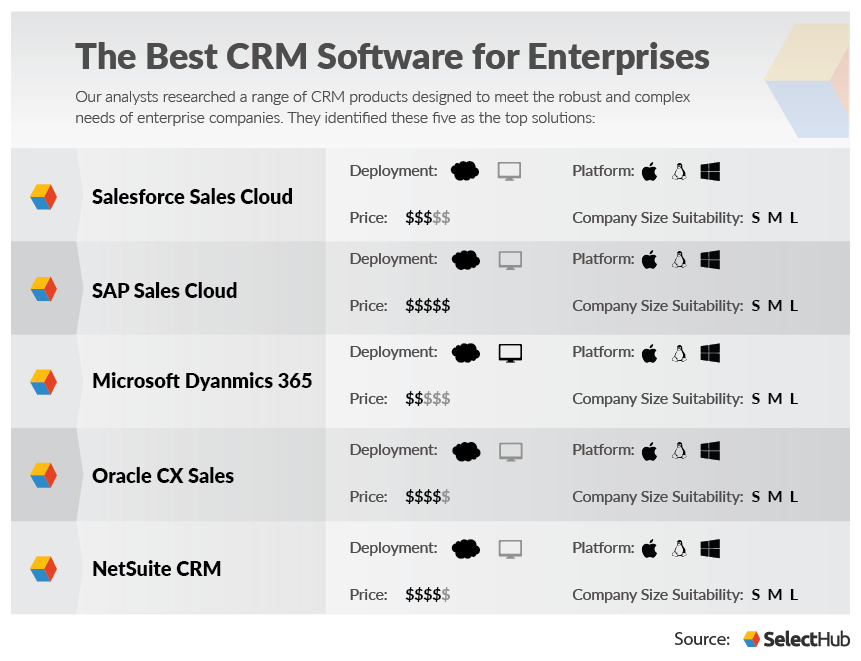
When it comes to choosing a CRM solution for financial services, it’s crucial to compare the top platforms available in the market. Each CRM system offers unique features and pricing structures that cater to the specific needs of financial institutions. Let’s delve into a detailed comparison of leading CRM solutions tailored for financial service providers.
Salesforce CRM
Salesforce CRM is one of the most popular CRM platforms used in the financial services sector. It offers a wide range of features such as lead management, opportunity tracking, and customizable dashboards. The pros of Salesforce CRM include its scalability and flexibility, allowing financial institutions to adapt the system to their evolving needs. However, the pricing can be on the higher end for smaller firms.
Microsoft Dynamics 365
Microsoft Dynamics 365 is another top CRM solution that caters to the needs of financial service providers. It offers seamless integration with Microsoft Office tools, advanced analytics capabilities, and automation features. The pros of Microsoft Dynamics 365 include its user-friendly interface and robust security features. On the downside, customization options may require additional expertise and resources.
Zoho CRM
Zoho CRM is a cost-effective solution for financial institutions looking for a comprehensive CRM platform. It offers features such as sales forecasting, email marketing, and workflow automation. The pros of Zoho CRM include its affordability and easy implementation process. However, some users may find the reporting and analytics tools less robust compared to other CRM systems.
HubSpot CRM
HubSpot CRM is a popular choice for financial service providers looking for a user-friendly and intuitive CRM solution. It offers features such as contact management, pipeline tracking, and email tracking. The pros of HubSpot CRM include its free version for basic CRM functionalities and seamless integration with other HubSpot marketing tools. However, the system may lack advanced customization options for complex workflows.
Oracle NetSuite CRM
Oracle NetSuite CRM is a comprehensive solution that caters to the needs of financial institutions with its robust features for sales, marketing, and customer service. The pros of Oracle NetSuite CRM include its cloud-based infrastructure, real-time visibility into customer data, and scalability for growing businesses. However, the pricing structure may be a deterrent for smaller firms with limited budgets.
Conclusion
In conclusion, the choice of CRM solution for financial services should be based on the specific requirements and budget constraints of the institution. Each CRM platform has its strengths and weaknesses, so it’s essential to conduct a thorough comparison to find the best fit for your organization.
Future Trends in CRM for Financial Services
In the rapidly evolving landscape of financial services, the future of CRM technology is poised to revolutionize customer interactions and drive business growth. The following trends are expected to shape the future of CRM for financial institutions:
Personalized Customer Experiences
Personalization is key in enhancing customer engagement and loyalty. Future CRM systems will focus on leveraging customer data to provide tailored experiences, anticipate needs, and deliver proactive services.
AI and Machine Learning Integration
The incorporation of AI and machine learning algorithms enables financial service providers to analyze vast amounts of customer data in real-time. This data-driven approach can help in predicting customer behavior, identifying trends, and offering personalized recommendations.
Chatbots and Virtual Assistants
The integration of chatbots and virtual assistants within CRM systems will improve customer support functions. These AI-powered tools can handle routine inquiries, provide instant responses, and streamline customer interactions, ensuring a seamless experience.
Predictive Analytics for Lead Generation
Predictive analytics will play a crucial role in identifying potential leads and cross-selling opportunities. By analyzing historical data and customer behavior patterns, financial institutions can target the right customers with the right products or services at the right time.
Successful CRM Implementations
Real-world examples of successful CRM implementations in financial services have demonstrated the positive impact on customer retention and satisfaction levels. By leveraging advanced CRM capabilities, organizations can enhance operational efficiency, improve customer relationships, and drive revenue growth.
Final Wrap-Up
In conclusion, the best CRM for financial services is not just a tool – it’s a game-changer. By prioritizing customer relationships, enhancing security measures, and embracing automation, financial institutions can truly elevate their operations to new heights. Choosing the right CRM is not just an option; it’s a necessity in today’s competitive landscape.
