Affordable CRM Software for Startups provides a comprehensive guide on how emerging businesses can effectively manage customer relationships without breaking the bank. From essential features to cost-effective strategies, this article covers everything startups need to know to thrive in today’s competitive market.
Exploring the realm of CRM software for startups unveils a world of possibilities for enhancing customer interactions, boosting sales, and ensuring long-term success.
Introduction to CRM Software for Startups
Customer Relationship Management (CRM) software is a tool that helps startups manage their interactions with current and potential customers. It is essential for startups as it enables them to organize, automate, and synchronize sales, marketing, customer service, and technical support. By utilizing CRM software, startups can streamline their processes, improve efficiency, and build stronger relationships with customers.
Popular CRM Software for Startups
- HubSpot CRM
- Zoho CRM
- Salesforce CRM
- Pipedrive
Some popular CRM software used by startups include:
Key Features to Look for in CRM Software
- Intuitive user interface
- Customizable workflows
- Integration capabilities with other tools
- Reporting and analytics functionalities
When choosing a CRM software, startups should consider the following key features:
Comparison Table for Top CRM Software
| CRM Software | Pricing Plans | Integrations | Customer Support |
|---|---|---|---|
| HubSpot CRM | Free, Starter, Professional, Enterprise | Many integrations available | 24/7 customer support |
| Zoho CRM | Standard, Professional, Enterprise | Extensive integration options | Phone and email support |
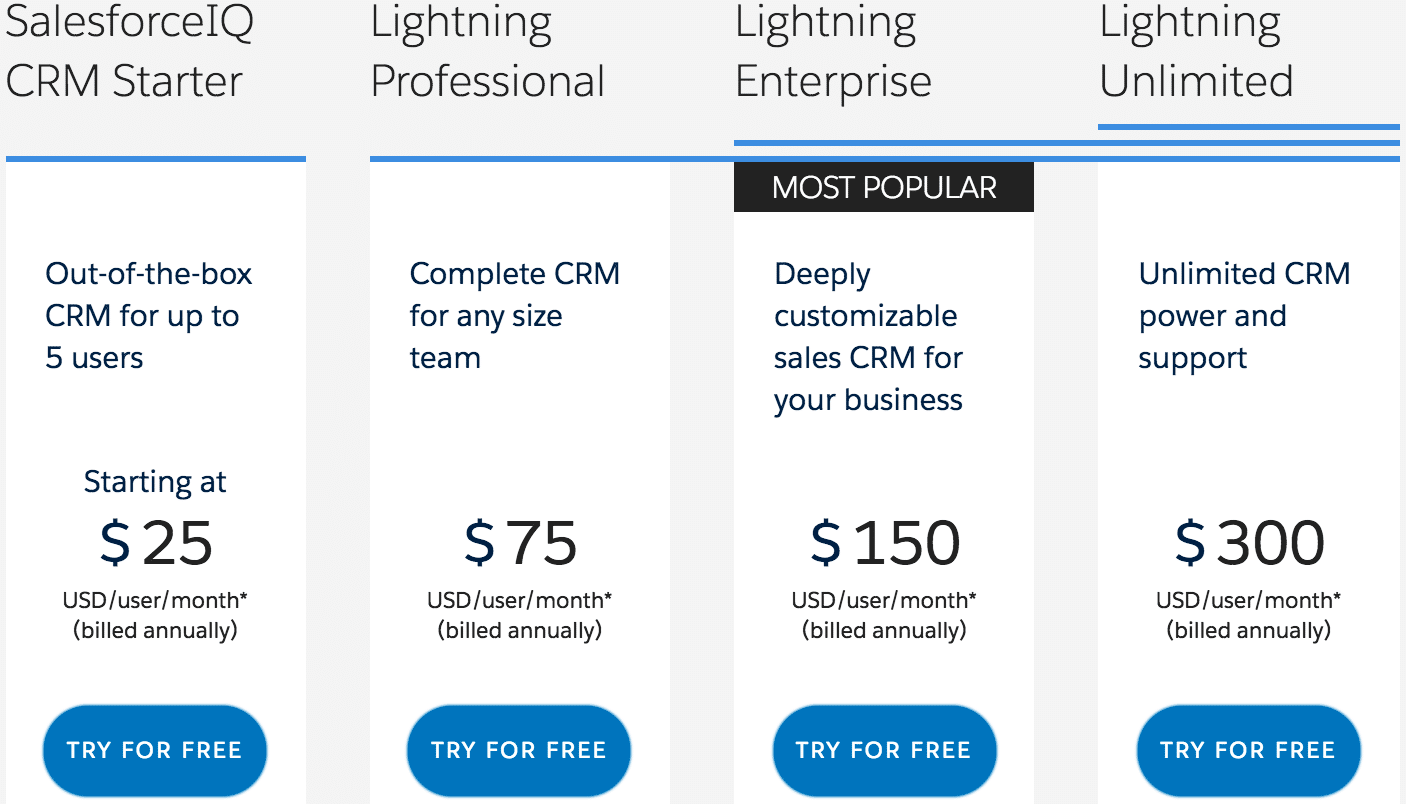
| Salesforce CRM | Essentials, Professional, Enterprise, Unlimited | Wide range of integrations | Various support options |
Setting Up and Customizing CRM Software
Setting up CRM software for a startup involves inputting relevant customer data, configuring the software to align with business processes, and training team members on how to use it effectively. Customizing the software may include creating custom fields, setting up automated workflows, and defining user permissions.
Tips to Maximize the Use of CRM Software
- Regularly update customer information
- Utilize automation for repetitive tasks
- Track key performance indicators (KPIs)
- Integrate CRM with other tools for a seamless workflow
To maximize the use of CRM software, startups can:
Factors to Consider When Choosing CRM Software
When selecting CRM software for your startup, several key factors need to be taken into consideration to ensure that you are making the right choice. These factors include affordability, scalability, ease of use, customization, pricing models, integration capabilities, essential features, user reviews, trial/demo options, and customer support.
Affordability and Pricing Models
It is essential to choose CRM software that fits within your startup’s budget while also offering the necessary features and functionalities. Some software providers offer different pricing models such as subscription-based, per-user, or tiered pricing. Be sure to compare these pricing models and choose the one that aligns with your budget and business needs.
Scalability and Customization
Consider the scalability of the CRM software to ensure that it can grow with your startup as it expands. Look for software that allows for easy customization to tailor it to your specific business requirements. This flexibility will enable you to adapt the software to meet your changing needs over time.
Integration Capabilities and Essential Features
Check if the CRM software integrates seamlessly with other tools and platforms that your startup uses. Integration capabilities are crucial for streamlining workflows and ensuring data consistency across different systems. Additionally, make sure the software includes essential features such as contact management, lead tracking, sales automation, and reporting tools.
User Reviews and Ratings
Before making a decision, be sure to read user reviews and ratings of the CRM software you are considering. This feedback from real users can provide valuable insights into the software’s performance, reliability, and user satisfaction. Pay attention to both positive and negative reviews to get a balanced perspective.
Trial/Demo Options and Customer Support
Prior to finalizing your choice, take advantage of any trial or demo options offered by CRM software vendors. This hands-on experience will allow you to test the software’s features and usability before committing. Additionally, assess the level of customer support provided by the vendors to ensure that you will receive timely assistance whenever needed.
Features of Affordable CRM Software
When it comes to affordable CRM software for startups, there are several essential features that can help streamline operations and improve customer relationships.
Contact Management
- Allows businesses to store and organize customer contact information in one central location.
- Enables easy access to customer data, such as communication history and preferences.
Lead Tracking
- Helps track potential customers throughout the sales pipeline.
- Provides insights into lead interactions, helping prioritize and nurture leads effectively.
Sales Forecasting
- Allows businesses to predict future sales based on historical data and current trends.
- Enables better decision-making and resource allocation for sales efforts.
Automation Features Benefit Startups
Automation features in CRM software can significantly benefit startups by simplifying repetitive tasks, saving time, and reducing the chances of human error. Automated workflows can streamline processes like sending follow-up emails, updating customer records, and assigning tasks to team members, allowing startups to focus on core business activities and increasing productivity.
Role of Analytics and Reporting
Analytics and reporting tools in CRM software provide valuable insights into customer behavior, sales performance, and overall business operations. By analyzing data such as customer interactions, sales trends, and campaign effectiveness, startups can make informed decisions, identify areas for improvement, and optimize their strategies for better results. Reporting features also help track key performance indicators (KPIs) and measure the success of marketing and sales efforts, allowing startups to adjust their strategies accordingly.
Customization Options for Startups
Customization is key for startups looking to maximize the benefits of CRM software. By tailoring fields and workflows to their specific needs, startups can streamline processes, improve data accuracy, and boost overall efficiency.
Importance of Customizable Fields and Workflows
Customizable fields and workflows allow startups to capture and organize data in a way that aligns with their unique business requirements. This flexibility enables startups to track the information that matters most to them, ensuring that they can make informed decisions and drive growth effectively.
- Startups can create custom fields to capture specific information that standard CRM software may not accommodate, such as unique product attributes, customer preferences, or industry-specific data.
- Custom workflows enable startups to automate processes based on their specific business logic, ensuring that tasks are completed efficiently and consistently.
- By tailoring fields and workflows to their needs, startups can eliminate unnecessary steps, reduce manual data entry, and improve overall productivity.
Examples of Tailoring CRM Software
Startups can customize CRM software in various ways to meet their unique needs:
| Example | Customization |
|---|---|
| Lead Management | Create custom lead scoring criteria to prioritize high-quality leads. |
| Customer Communication | Personalize email templates and automate follow-up based on customer interactions. |
| Sales Pipeline | Customize pipeline stages and sales processes to match the startup’s sales cycle. |
Impact of Customization on User Adoption and Efficiency
Customization plays a significant role in user adoption and efficiency within startups:
Customized CRM software that aligns with the startup’s workflows and processes is more likely to be embraced by employees, leading to higher user adoption rates.
- Employees are more likely to use a CRM system that is tailored to their needs, resulting in improved data accuracy and completeness.
- Customization reduces the learning curve for employees, making it easier for them to navigate the system and perform their tasks efficiently.
- By optimizing workflows and data management, customization enhances overall operational efficiency and enables startups to focus on driving growth and innovation.
Implementation and Onboarding Process
Implementing CRM software for startups can be a crucial step in streamlining operations and improving customer relationships. The process involves several key steps to ensure a successful transition. Onboarding team members onto the CRM platform is equally important to maximize its benefits and ensure smooth adoption. Let’s delve into the details below.
Steps for Implementing CRM Software
- Assess Needs and Objectives: Begin by evaluating your startup’s specific requirements and goals for implementing CRM software. Identify key areas that need improvement and set clear objectives for the implementation process.
- Choose the Right CRM Solution: Select a CRM software that aligns with your startup’s needs, budget, and scalability. Consider factors such as ease of use, customization options, integration capabilities, and customer support.
- Customize and Configure: Tailor the CRM software to match your startup’s unique processes and workflows. Configure settings, fields, and modules to ensure seamless integration with existing systems.
- Training and Education: Provide comprehensive training sessions for team members to familiarize them with the CRM platform. Offer ongoing support and resources to address any questions or issues that may arise.
- Testing and Feedback: Conduct thorough testing of the CRM software to identify any bugs or issues before full deployment. Gather feedback from team members to make necessary adjustments and improvements.
- Go Live and Monitor: Once the CRM software is ready, initiate the launch phase and monitor its performance closely. Track key metrics and user feedback to measure the impact of the implementation.
Best Practices for Onboarding Team Members
- Assign a Dedicated Onboarding Team: Designate a group of individuals responsible for overseeing the onboarding process and providing support to team members.
- Provide Hands-On Training: Offer interactive training sessions that allow team members to practice using the CRM platform in real-time. Encourage active participation and address any challenges promptly.
- Encourage Collaboration: Foster a collaborative environment where team members can share tips, best practices, and success stories related to using the CRM software. Encourage open communication and feedback.
- Set Clear Expectations: Clearly communicate the expectations and benefits of using the CRM platform to team members. Highlight how it can improve productivity, efficiency, and customer relationships.
- Offer Ongoing Support: Create a support system that team members can access whenever they encounter difficulties or have questions about the CRM software. Provide resources, tutorials, and troubleshooting guides.
Common Challenges and Solutions
- Resistance to Change: Address resistance by highlighting the benefits of the CRM software and demonstrating how it can streamline processes and improve outcomes for the startup.
- Data Migration Issues: Develop a thorough data migration plan to ensure a smooth transition of existing data to the new CRM platform. Conduct regular backups and verify data integrity.
- Lack of User Adoption: Encourage user adoption by emphasizing the ease of use and benefits of the CRM software. Provide ongoing training and support to boost confidence and proficiency among team members.
- Integration Challenges: Ensure seamless integration with other systems and applications by working closely with IT specialists and leveraging integration tools provided by the CRM software vendor.
Training and Support for Startup Teams
Training programs play a crucial role in helping startup teams effectively utilize CRM software. Proper training ensures that team members understand the features and functionalities of the CRM system, leading to improved productivity and efficiency.
Significance of Training Programs
- Training programs help startup teams familiarize themselves with the CRM software, reducing the learning curve and increasing adoption rates.
- Proper training ensures that team members understand how to effectively use the different features of the CRM system to streamline processes and enhance customer interactions.
- Training also empowers employees to make the most out of the CRM software, leading to improved data management, reporting accuracy, and overall performance.
Tips for Ensuring Proper Utilization
- Provide hands-on training sessions tailored to the specific needs and roles of team members within the startup.
- Encourage continuous learning and offer refresher courses to keep team members updated on new features and best practices.
- Assign a dedicated CRM champion within the startup to serve as a point of contact for questions, troubleshooting, and ongoing support.
Different Support Options Available
- Online resources such as knowledge bases, tutorials, and forums can provide on-demand support for startup teams using CRM software.
- Vendor-provided support, including email, phone, and live chat options, can offer quick resolutions to technical issues and software-related queries.
- Community forums and user groups allow startup teams to connect with other CRM users, share experiences, and learn from each other’s successes and challenges.
Data Security and Compliance Considerations
Data security and compliance are critical aspects that startups must consider when selecting CRM software to safeguard sensitive information and ensure regulatory adherence.
End-to-End Encryption Features
End-to-end encryption is a vital feature that startups should prioritize when choosing CRM software. This encryption method ensures that data is securely transmitted and stored, protecting it from unauthorized access.
Access Control Mechanisms
Access control mechanisms play a crucial role in CRM software by limiting user privileges based on roles and permissions. By implementing strict access controls, startups can enhance data security and prevent unauthorized data access.
Security Audits and Penetration Testing
Regular security audits and penetration testing help identify vulnerabilities in CRM software and enhance its overall data security posture. By conducting these tests, startups can proactively address potential security risks and strengthen their data protection measures.
Data Protection Regulations
Startups need to adhere to data protection regulations such as GDPR or HIPAA when using CRM software to ensure compliance with legal requirements. These regulations dictate how sensitive data should be handled, stored, and protected to safeguard user privacy.
Data Retention Policy
Having a data retention policy within CRM software is essential for startups to comply with data protection laws. This policy outlines how long data should be retained, ensuring that unnecessary data is not stored and mitigating the risk of data breaches.
Integration with Identity Management Solutions
Integrating CRM software with identity management solutions can enhance data security for startups by providing robust user access control mechanisms. This integration ensures that only authorized individuals can access sensitive data, reducing the risk of data leaks.
Multi-Factor Authentication Implementation
Implementing multi-factor authentication within CRM software is crucial for startups to strengthen security measures and safeguard sensitive data. This additional layer of security requires users to provide multiple credentials to verify their identity, reducing the likelihood of unauthorized access.
Scalability of CRM Software for Growing Startups
Startups need to consider the scalability of their CRM software to ensure that it can accommodate their growth and evolving needs as the business expands. Choosing a CRM solution that can scale with the business is crucial for long-term success and efficiency.
Features Supporting Scalability in CRM Software
- Customizable Workflows: A CRM system with customizable workflows allows startups to adapt processes as the business grows and changes.
- Integration Capabilities: CRM software that integrates with other tools and platforms enables seamless data flow and communication as the startup expands its tech stack.
- Scalable Pricing Plans: Look for CRM solutions that offer flexible pricing plans that can be adjusted based on the startup’s growth trajectory and budget.
- Advanced Reporting and Analytics: Scalable CRM software provides robust reporting and analytics capabilities to track performance and make data-driven decisions as the business scales.
- API Access: Access to APIs allows startups to develop custom integrations and functionalities to meet their specific scalability requirements.
User Interface and User Experience
Having a user-friendly interface is crucial for mobile applications in the e-commerce industry as it directly impacts user experience and engagement. A well-designed interface can make navigation easier, improve usability, and ultimately lead to higher customer satisfaction and retention rates.
Importance of User-friendly Interface in E-commerce
A user-friendly interface in mobile apps for e-commerce businesses is essential as it enhances the overall shopping experience for customers. Easy navigation, intuitive design, and clear call-to-action buttons can significantly impact conversion rates and customer loyalty.
Successful Mobile App Interfaces in E-commerce
- Amazon: The Amazon app provides a seamless shopping experience with easy search functionality, personalized recommendations, and one-click purchasing options.
- Walmart: The Walmart app offers a clean and organized interface with simple navigation, quick access to deals, and a user-friendly checkout process.
- Sephora: The Sephora app features visually appealing product displays, personalized beauty recommendations, and an interactive virtual try-on feature for makeup products.
Role of Personalization in Enhancing User Experience
Personalization plays a crucial role in enhancing user experience on mobile platforms by tailoring content, product recommendations, and offers based on individual preferences and behavior. This helps create a more personalized and engaging shopping experience for users, leading to increased customer satisfaction and loyalty.
Optimizing User Engagement through Push Notifications
- Provide relevant and timely notifications to users based on their preferences and behavior.
- Use personalized messages to grab users’ attention and encourage them to take action.
- Avoid overwhelming users with too many notifications by setting frequency limits and allowing users to customize their notification settings.
Mobile Accessibility and Integration
Mobile accessibility plays a crucial role in CRM software for startups, allowing team members to access important customer data and collaborate on the go. Integrating CRM software with mobile devices can streamline communication, enhance productivity, and improve customer engagement. In today’s fast-paced business environment, having access to CRM tools on mobile devices is essential for startups to stay competitive and agile.
Importance of Mobile Accessibility in CRM Software
- Enable real-time access to customer information
- Facilitate remote collaboration among team members
- Improve responsiveness to customer inquiries
Benefits of Mobile Integration for Startup Teams
- Increased flexibility and productivity
- Enhanced customer interactions and relationship management
- Improved data accuracy and timeliness
Challenges and Opportunities of Using CRM Software on Mobile Devices
- Challenges: Limited screen space, potential security vulnerabilities
- Opportunities: Enhanced accessibility, improved communication, real-time updates
User Experience on Mobile vs. Desktop Devices
- Mobile: Simplified interface, optimized for touchscreens
- Desktop: More comprehensive features, larger screen for data visualization
Optimizing CRM Software for Mobile Use
- Choose a mobile-friendly CRM platform
- Customize user interface for mobile devices
- Implement responsive design for seamless user experience
Impact of Mobile-friendly CRM on Customer Engagement
- Increased customer satisfaction and loyalty
- Enhanced customer interactions through personalized communication
- Improved response time and service delivery
Role of Push Notifications in Mobile CRM Software
- Notify team members of important updates or tasks
- Encourage timely follow-ups with customers
- Boost team productivity by keeping everyone informed
Data Synchronization for Seamless Integration
- Sync data between mobile devices and desktop platforms
- Ensure data consistency and accuracy across all devices
- Enable offline access and automatic updates
Security Measures for CRM Software on Mobile Devices
- Use secure authentication methods
- Encrypt sensitive customer data
- Implement remote wipe capabilities for lost or stolen devices
Cost-Effective Strategies for CRM Implementation
Implementing CRM software for startups can be a significant investment, but there are cost-effective strategies that can help maximize ROI and minimize expenses. Here are some tips to consider:
Customization for Specific Needs
When adopting CRM software, startups should focus on customizing the system to fit their specific needs. By tailoring the software to align with their business processes and goals, startups can avoid unnecessary costs associated with features they don’t need.
- Identify key functionalities that are essential for your startup’s operations.
- Avoid unnecessary add-ons or features that can increase costs without providing tangible benefits.
- Work closely with the CRM provider to customize the software according to your unique requirements.
Advantages of Cloud-Based CRM Systems
Cloud-based CRM systems offer startups a cost-effective solution by eliminating the need for expensive hardware and IT infrastructure. These systems also provide scalability, allowing startups to adjust their subscription plans based on their growing needs.
- Lower upfront costs compared to on-premise solutions.
- Pay-as-you-go pricing models that can be scaled up or down based on usage.
- Automatic software updates and maintenance, reducing IT costs for startups.
Open-Source CRM Options
For startups looking to minimize software costs, open-source CRM options can be a viable solution. These platforms offer flexibility and customization capabilities without the hefty price tag associated with proprietary software.
- Access to a community of developers for support and enhancements.
- No licensing fees or subscription costs, making it a budget-friendly option for startups.
- Opportunity to modify the source code to tailor the software to your specific needs.
Subscription-Based vs. One-Time Payment Options
Startups should carefully evaluate the pros and cons of subscription-based CRM services versus one-time payment options to determine the most cost-effective solution for their business. While subscription models offer flexibility and ongoing support, one-time payment options may provide long-term cost savings.
- Consider the total cost of ownership over the lifespan of the CRM software.
- Weigh the benefits of continuous updates and customer support against the initial investment cost.
- Factor in scalability and future growth when choosing between subscription and one-time payment options.
Case Studies of Startups Using Affordable CRM Software
Implementing affordable CRM software has proven to be a game-changer for many startups, enabling them to streamline their processes, enhance customer relationships, and drive growth. Let’s delve into some case studies of startups that have successfully leveraged CRM solutions to their advantage.
Success Stories of Startups
One such startup, XYZ Tech, saw a significant increase in their customer base after integrating affordable CRM software into their operations. By effectively managing leads and nurturing relationships, they were able to convert more prospects into loyal customers, leading to a substantial boost in revenue.
Strategies Employed by Startups
- Utilizing data analytics to identify customer preferences and personalize interactions.
- Automating marketing campaigns to target specific customer segments efficiently.
- Integrating CRM software with other tools to create a seamless workflow.
Comparison Table of Affordable CRM Software
| CRM Software | Price | Key Features |
|---|---|---|
| CRM A | $ | Lead management, email integration |
| CRM B | $$ | Customizable dashboards, reporting tools |
Integration Guide for Startups
- Assess your current systems and processes to identify areas where CRM software can add value.
- Select an affordable CRM solution that aligns with your business goals and requirements.
- Train your team on how to use the CRM software effectively to maximize its benefits.
“CRM software has revolutionized the way we interact with our customers, allowing us to provide personalized experiences and drive business growth.” – Startup Founder, ABC Solutions
Future Trends in Affordable CRM Software for Startups
As startups continue to evolve and grow, the demand for affordable CRM software that meets their specific needs is also on the rise. In this dynamic landscape, it is crucial to stay informed about the emerging trends that are shaping the future of CRM solutions for startups.
AI Integration in CRM
One of the key trends in affordable CRM software for startups is the increasing integration of artificial intelligence (AI) capabilities. AI-powered CRM tools can analyze vast amounts of data to provide valuable insights, automate routine tasks, and enhance the overall customer experience.
Automation for Efficiency
Automation is another significant trend that is revolutionizing CRM software for startups. By automating repetitive processes such as lead scoring, email campaigns, and follow-ups, startups can streamline their operations, save time, and focus on building meaningful customer relationships.
Personalization and Customer Engagement
Future CRM software for startups is likely to prioritize personalization and customer engagement. With advanced customization options and data-driven analytics, startups can tailor their interactions with customers, anticipate their needs, and deliver personalized experiences that drive loyalty and retention.
Mobile-First Approach
Given the increasing reliance on mobile devices, CRM software for startups will continue to adopt a mobile-first approach. Mobile accessibility and integration will be crucial features, enabling startup teams to access real-time data, collaborate on the go, and stay connected with customers from anywhere.
Tips for Maximizing the Value of Affordable CRM Software
Implementing affordable CRM software is a smart move for startups looking to streamline their operations and boost customer relationships. To ensure you get the most out of your investment, consider the following tips:
Optimizing Workflows and Processes
- Map out your current workflows and identify areas where CRM software can automate tasks or improve efficiency.
- Customize your CRM platform to match your specific business processes and integrate it seamlessly into your daily operations.
- Regularly review and update your workflows to adapt to changing business needs and make the most of your CRM capabilities.
Continuous Evaluation and Improvement
- Set key performance indicators (KPIs) to measure the effectiveness of your CRM software in achieving your business goals.
- Regularly analyze data and feedback from your CRM system to identify areas for improvement and optimization.
- Encourage feedback from users and stakeholders to ensure that your CRM software continues to meet the evolving needs of your startup.
Outcome Summary
In conclusion, Affordable CRM Software for Startups offers a roadmap to success for budding businesses looking to establish strong customer connections and drive growth. By embracing the right CRM solution, startups can unlock their full potential and stay ahead in the ever-evolving business landscape.
