CRM with AI Chatbot Integration is a game-changer in modern business practices, revolutionizing customer interactions and streamlining processes for companies across various industries. Dive into this comprehensive guide to explore the seamless integration of AI chatbots into CRM systems and the myriad benefits it brings.
From improving customer service to automating interactions, the possibilities are endless with CRM and AI chatbot integration.

Introduction to CRM with AI Chatbot Integration
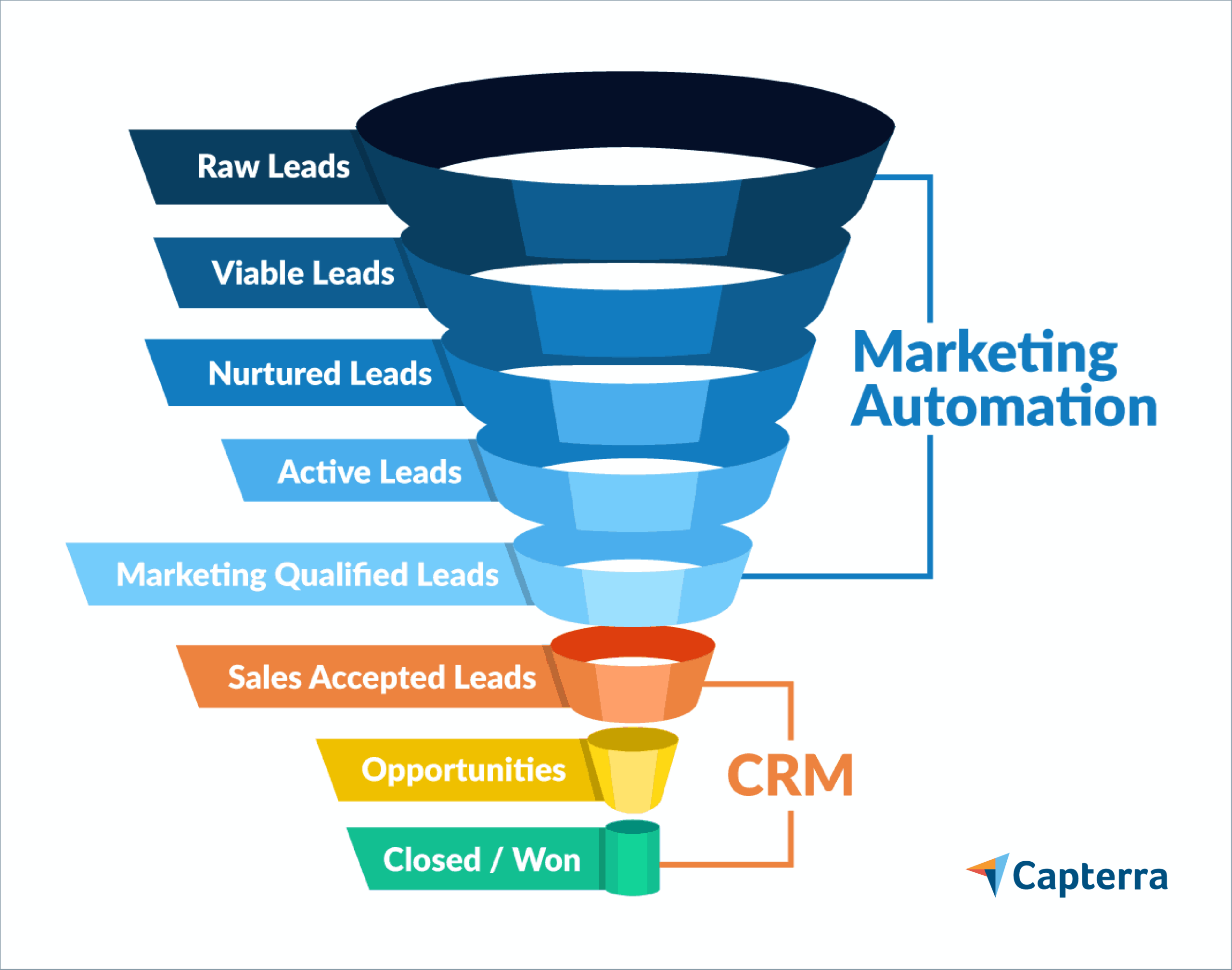
Customer Relationship Management (CRM) is a strategy used by businesses to manage interactions with current and potential customers. It involves analyzing customer data, improving customer relationships, and driving sales growth. On the other hand, AI chatbots are computer programs designed to simulate conversation with human users, providing instant responses and assistance.
Benefits of Integrating AI Chatbots into CRM Systems
- Enhanced Customer Service: AI chatbots can provide 24/7 support, answer queries instantly, and offer personalized assistance.
- Increased Efficiency: Chatbots can handle multiple customer interactions simultaneously, reducing response times and improving overall efficiency.
- Data Collection and Analysis: AI chatbots can gather valuable customer data, analyze trends, and provide insights to improve marketing strategies.
Industries that can Benefit from this Integration
- Retail: E-commerce businesses can use AI chatbots to assist customers in finding products, processing orders, and providing recommendations.
- Healthcare: Hospitals and clinics can implement chatbots to schedule appointments, provide medical advice, and offer support to patients.
- Banking: Financial institutions can use chatbots for account inquiries, fund transfers, and customer support services.
Role of AI Chatbots in Enhancing Customer Relationship Management
AI chatbots play a crucial role in enhancing CRM by providing personalized interactions, improving customer engagement, and automating routine tasks. They help businesses build stronger relationships with customers and increase customer satisfaction.
Key Features of an AI Chatbot for CRM Integration
- Natural Language Processing (NLP): Ability to understand and respond to natural language queries.
- Integration Capabilities: Seamless integration with CRM systems to access customer data and provide personalized responses.
- Analytics and Reporting: Ability to track customer interactions, analyze data, and generate reports for business insights.
Challenges of Implementing AI Chatbots in CRM Strategy
- Data Security Concerns: Ensuring the protection of customer data and complying with privacy regulations.
- User Acceptance: Overcoming resistance from customers who prefer human interactions over chatbots.
- Ongoing Maintenance: Regular updates and improvements to keep the chatbot relevant and effective.
Tips for Successfully Deploying AI Chatbots within a CRM Framework
- Start with Clear Objectives: Define the goals and objectives of integrating chatbots into your CRM strategy.
- Train Chatbots Effectively: Provide proper training and testing to ensure chatbots can handle various customer queries and scenarios.
- Monitor Performance: Continuously monitor and evaluate the chatbot’s performance, gathering feedback for improvements.
Understanding AI Chatbots in CRM
AI chatbots play a crucial role in enhancing customer relationship management (CRM) systems by providing automated support and interactions with customers. These chatbots are powered by artificial intelligence, allowing them to understand and respond to customer queries in real-time.
Functionality of AI Chatbots in CRM
- AI chatbots can handle a wide range of customer inquiries, from basic FAQs to more complex issues, without human intervention.
- They use natural language processing (NLP) to understand customer messages and provide relevant responses, improving the overall customer experience.
- Chatbots can be integrated seamlessly into CRM platforms, allowing businesses to streamline customer interactions and collect valuable data for future use.
Capabilities of AI Chatbots in Automating Customer Interactions
- AI chatbots can engage with customers 24/7, providing instant responses and support, leading to higher customer satisfaction levels.
- They can assist in lead generation, sales conversions, and customer retention by personalizing interactions based on customer data stored in the CRM system.
- Chatbots can also automate routine tasks such as appointment scheduling, order tracking, and payment processing, saving time for both customers and businesses.
Impact of AI Chatbots on Improving Customer Service and Engagement
- AI chatbots reduce response times and resolve customer issues more efficiently, leading to improved customer service and loyalty.
- They provide a consistent and personalized customer experience across multiple channels, enhancing customer engagement and brand perception.
- Chatbots can analyze customer interactions and feedback to identify trends and improve service quality over time, ultimately increasing customer satisfaction.
Real-World Use Cases of AI Chatbots Integrated into CRM Platforms
- Airlines use AI chatbots to assist customers with flight bookings, check-in procedures, and travel information, improving the overall travel experience.
- E-commerce websites deploy chatbots to recommend products, answer customer queries, and facilitate seamless shopping experiences, boosting sales and customer retention.
- Banks leverage AI chatbots to provide account information, process transactions, and offer financial advice, enhancing customer service and loyalty in the banking sector.
Benefits of CRM with AI Chatbot Integration
AI chatbots integrated into CRM systems offer a plethora of benefits that can revolutionize customer interactions and data management.
Streamlined Customer Support and Lead Generation
- AI chatbots can provide instant responses to customer queries, ensuring 24/7 availability and quick resolution of issues.
- Automated lead generation processes can be enhanced with AI chatbots, qualifying leads based on predefined criteria and routing them to the appropriate sales representatives.
Enhanced Data Collection and Customer Insights
- AI chatbots can collect and analyze data from customer interactions, providing valuable insights into customer preferences, behavior patterns, and sentiment.
- By leveraging AI algorithms, CRM systems can personalize customer experiences based on the data collected, improving overall customer satisfaction and retention rates.
Cost Savings and Efficiency Improvements
- Implementing AI chatbots in CRM processes can significantly reduce operational costs by automating repetitive tasks and speeding up response times.
- Efficiency improvements are notable in lead management, customer service, and sales processes, leading to increased productivity and revenue generation.
Challenges and Considerations
Implementing CRM with AI chatbot integration can bring several challenges and considerations that need to be addressed to ensure the success of the integration.
Potential Implementation Challenges
- Integration Complexity: Integrating AI chatbots with CRM systems can be complex and require technical expertise.
- Training and Maintenance: Ensuring that AI chatbots are trained effectively and maintained regularly to provide accurate responses.
- User Acceptance: Overcoming resistance from users who may be hesitant to interact with AI chatbots instead of human agents.
Data Privacy and Security Considerations
- Data Protection: Safeguarding customer information and ensuring compliance with data protection regulations.
- Security Measures: Implementing robust security measures to prevent data breaches and unauthorized access to sensitive data.
- Transparency: Maintaining transparency with customers about how their data is being used and stored.
Scalability Issues and Limitations
- Scalability Challenges: Ensuring that AI chatbots can handle a growing number of customer inquiries without compromising performance.
- Limits of AI: Recognizing the limitations of AI in understanding complex customer queries or handling emotional interactions.
Strategies for Overcoming Challenges
- Comprehensive Training: Providing thorough training to AI chatbots to handle a wide range of scenarios effectively.
- Continuous Monitoring: Regularly monitoring AI chatbot interactions to identify and address any issues promptly.
- User Feedback: Gathering feedback from users to improve the AI chatbot’s performance and user experience.
Cultural Differences Impact
- Language and Tone: Adapting AI chatbot interactions to different cultural norms and communication styles.
- Localization: Customizing AI chatbot responses to resonate with diverse cultural preferences and expectations.
Ethical Implications and Human Oversight
- Decision Making: Ensuring that AI chatbots make ethical decisions when handling customer queries and sensitive information.
- Human Intervention: Incorporating human oversight to review AI chatbot interactions and intervene when necessary.
Guidelines for Training AI Chatbots
- Data Handling: Establishing protocols for handling sensitive customer data securely and ethically.
- Ethical Framework: Developing an ethical framework for AI chatbots to guide their behavior and decision-making processes.
Best Practices for Implementing CRM with AI Chatbot Integration
Implementing CRM with AI chatbot integration can significantly enhance customer interactions and streamline processes. To ensure successful integration, follow these key best practices:
Key Steps for Successful Integration of AI Chatbots into CRM Systems
Integrating AI chatbots into CRM systems requires careful planning and execution. Follow these key steps for successful integration:
- Identify specific use cases where AI chatbots can add value to customer interactions and automate processes.
- Choose a reliable AI chatbot platform that seamlessly integrates with your CRM system.
- Define clear objectives and metrics to measure the effectiveness of AI chatbot integration.
- Collaborate with IT and customer service teams to ensure a smooth integration process.
- Regularly monitor and analyze AI chatbot performance to make necessary adjustments for optimization.
Training Requirements for Staff to Work Effectively with AI Chatbots
Training staff to work effectively with AI chatbots is essential for maximizing their potential. Consider the following training requirements:
- Provide comprehensive training on how to use AI chatbots within the CRM system.
- Offer hands-on practice sessions to familiarize staff with AI chatbot functionalities and capabilities.
- Encourage continuous learning and feedback to improve staff proficiency in interacting with AI chatbots.
- Monitor staff performance and provide additional training as needed to enhance efficiency.
Tips for Optimizing AI Chatbot Performance within CRM Platforms
Optimizing AI chatbot performance within CRM platforms is crucial for delivering seamless customer experiences. Consider the following tips:
- Regularly update AI chatbot scripts and responses to reflect changing customer needs and preferences.
- Integrate AI chatbots with CRM data to personalize interactions and provide relevant recommendations.
- Implement multichannel capabilities to enable AI chatbots to communicate across various touchpoints.
- Utilize analytics to track AI chatbot performance and identify areas for improvement.
Examples of Successful CRM with AI Chatbot Integration Strategies
Successful CRM with AI chatbot integration strategies can serve as inspiration for your implementation. Consider the following examples:
- A leading e-commerce company integrated AI chatbots into their CRM system to provide personalized product recommendations based on customer preferences.
- A telecommunications provider implemented AI chatbots to streamline customer support inquiries, reducing response times and improving overall satisfaction.
- A financial services firm utilized AI chatbots to automate lead generation processes and enhance customer engagement through targeted messaging.
Customization and Personalization
Personalization is key in creating exceptional customer experiences, and AI chatbots play a significant role in enhancing this aspect within CRM systems. By tailoring interactions based on individual preferences and behaviors, businesses can build stronger connections with their customers. Let’s delve deeper into how AI chatbots can elevate personalized customer experiences in CRM.
Enhancing Personalization Through AI Chatbots
- AI chatbots can analyze customer data in real-time to deliver personalized messaging and product recommendations.
- Customization in AI chatbot interactions is crucial for catering to different customer segments and their specific needs.
- Machine learning algorithms enable AI chatbots to learn from customer interactions and provide tailored responses.
Leveraging Customer Data for Personalized Interactions
- By leveraging customer data such as purchase history, browsing behavior, and demographic information, AI chatbots can personalize interactions.
- Setting up user preferences within CRM systems allows AI chatbots to deliver more relevant and personalized responses.
Real-time Personalization in Customer Service
- Real-time personalization through AI chatbots enables businesses to address customer queries promptly and offer tailored solutions on the spot.
- Dynamic content personalization in chatbot interactions ensures that customers receive up-to-date and relevant information based on their current needs.
Data Analysis and Insights
AI chatbots integrated with CRM systems play a crucial role in providing valuable data analytics for businesses. By leveraging AI technology, businesses can gain actionable insights from customer interactions, leading to data-driven decision-making in CRM.
Generating Insights from Customer Interactions
AI plays a significant role in generating insights from customer interactions by analyzing data in real-time. Through natural language processing and machine learning algorithms, AI chatbots can understand customer queries, sentiments, and preferences, allowing businesses to extract valuable information for improving customer experience.
- AI chatbots can analyze customer inquiries to identify common trends and issues.
- By analyzing customer feedback and conversations, AI can provide insights on product preferences and areas for improvement.
- AI algorithms can detect patterns in customer behavior to predict future interactions and personalize recommendations.
Setting up AI Chatbots for Data Collection and Analysis
Setting up AI chatbots to collect and analyze customer data involves designing conversation flows, defining data collection points, and integrating AI models for data processing. Here is a step-by-step guide on how AI chatbots can segment and classify customer data for analysis:
- Define key data points to collect during customer interactions.
- Implement AI algorithms to categorize data based on predefined criteria.
- Analyze segmented data to extract meaningful insights and trends.
- Use AI-generated insights to personalize customer interactions and improve service quality.
- AI-driven data analytics enable businesses to identify customer pain points and address them in real time.
- By predicting customer behavior through data trends, AI chatbots can anticipate needs and tailor suggestions accordingly.
- Comparing traditional data analysis methods with AI-driven analytics showcases the efficiency and accuracy of AI in providing actionable insights for CRM strategies.
- Automate ticket creation: AI chatbots can automatically generate tickets based on customer queries and route them to the appropriate support agents for resolution.
- Provide real-time updates: Chatbots can keep customers informed about the status of their tickets, reducing the need for customers to follow up repeatedly.
- Offer self-service options: AI chatbots can guide customers through troubleshooting steps and provide solutions to common issues without human intervention.
- Identify the CRM platform: Choose the CRM platform that aligns with your business needs and objectives.
- Select a compatible chatbot solution: Ensure that the AI chatbot solution you choose is compatible with the CRM platform you are using.
- Set up the integration: Follow the integration instructions provided by the chatbot solution provider to connect the chatbot with your CRM platform.
- Test and optimize: Test the integration to ensure seamless communication between the chatbot and CRM platform, and optimize the workflows for maximum efficiency.
- Automate data capture: AI chatbots can capture and update customer information in real-time, eliminating the need for manual data entry.
- Ensure data accuracy: Chatbots can validate data inputs and perform data cleansing tasks to maintain a clean and accurate database.
- Enhance data security: By automating data entry processes, AI chatbots can minimize the risk of data breaches and ensure compliance with data protection regulations.
- Personalized product recommendations: AI chatbots can analyze customer preferences and purchase history to offer tailored product suggestions, increasing cross-selling opportunities.
- 24/7 customer support: Chatbots can provide instant responses to customer queries and assist with order tracking, ensuring a seamless shopping experience round the clock.
- Streamlined checkout process: By integrating chatbots with e-commerce platforms, organizations can simplify the checkout process, reducing cart abandonment rates and improving conversion rates.
- AI chatbots will leverage machine learning algorithms to predict customer behavior and preferences.
- Predictive analytics will help businesses anticipate customer needs and tailor their interactions accordingly.
- Advanced forecasting capabilities will enable proactive customer engagement and personalized recommendations.
- AI-powered chatbots will be integrated with AR and VR technologies to provide immersive customer experiences.
- Customers can interact with virtual assistants in a more engaging and interactive manner through AR and VR interfaces.
- AR and VR integration will revolutionize product demonstrations, troubleshooting, and virtual shopping experiences.
- Natural Language Processing (NLP) will enable AI chatbots to understand and respond to customer queries more effectively.
- AI-powered CRM systems will analyze customer data in real-time to deliver hyper-personalized recommendations and solutions.
- Businesses can create tailored marketing campaigns and offers based on individual customer preferences and behaviors.
- Voice-activated AI chatbots will become more prevalent, allowing customers to interact with businesses using voice commands.
- Integration with virtual assistants like Amazon Alexa and Google Assistant will streamline customer interactions and support services.
- Voice recognition technology will enhance the convenience and accessibility of CRM systems for users across different channels.
- Clearly disclose when customers are interacting with an AI chatbot.
- Provide information on how AI is being used to enhance customer experience.
- Be open about data collection and storage practices to maintain transparency.
- Implement data protection measures to safeguard customer information.
- Avoid using AI chatbots for deceptive or manipulative purposes.
- Regularly review and update ethical guidelines to align with best practices.
- Encourage feedback and address any concerns regarding AI chatbot interactions.
- Provide clear channels for customers to escalate issues or seek human assistance when needed.
- Demonstrate a commitment to ethical behavior and responsible use of AI technology.
- Develop comprehensive training programs that cover the functionality and capabilities of AI chatbots in CRM.
- Include hands-on sessions and simulations to allow employees to practice using AI chatbots in real-life scenarios.
- Offer refresher courses and updates as new features or improvements are implemented in the AI chatbot system.
- Provide a dedicated support team to address any issues or questions that employees may have while using AI chatbots.
- Offer continuous guidance and troubleshooting assistance to ensure that AI chatbots perform optimally and meet business objectives.
- Regularly gather feedback from users to identify areas for improvement and additional training needs.
- Organize workshops, webinars, and knowledge-sharing sessions to help employees enhance their skills in working collaboratively with AI chatbots.
- Provide access to online resources, tutorials, and documentation to support self-paced learning and skill development.
- Encourage employees to participate in certification programs or specialized training courses to deepen their understanding of AI chatbot integration in CRM.
- Foster a culture of learning and experimentation where employees feel encouraged to explore and utilize AI chatbots in their daily workflows.
- Celebrate successes and milestones achieved through AI chatbot integration to motivate and inspire teams to embrace new technologies.
- Establish clear communication channels for feedback and suggestions to promote continuous improvement and innovation in AI chatbot utilization.
- Improved Natural Language Processing: AI chatbots will become better at understanding and interpreting natural language, allowing for more seamless and human-like interactions with customers.
- Enhanced Predictive Analytics: AI algorithms will be able to predict customer behavior and preferences more accurately, enabling businesses to anticipate needs and tailor their offerings accordingly.
- Integration with IoT Devices: AI chatbots may interact with Internet of Things (IoT) devices to provide proactive assistance and support, creating a more connected and responsive customer experience.
- Automation of Routine Tasks: AI chatbots will handle routine inquiries and tasks, freeing up human agents to focus on more complex and strategic activities.
- 24/7 Availability: AI chatbots can provide round-the-clock support, ensuring that customers receive assistance whenever they need it, leading to improved satisfaction and loyalty.
- Personalized Interactions: AI chatbots will deliver highly personalized interactions based on customer data and preferences, creating more meaningful and engaging experiences.
- Invest in AI Talent: Hire or train employees with expertise in AI technologies to drive innovation and maximize the benefits of AI chatbot integration.
- Experiment with AI Use Cases: Explore different use cases for AI chatbots in CRM to identify opportunities for automation and improvement in customer interactions.
- Integrate AI with CRM Systems: Ensure seamless integration of AI chatbots with existing CRM systems to leverage customer data and insights effectively.
- Recommendation Engines: AI chatbots can use machine learning algorithms to recommend products or services based on individual preferences and past interactions.
- Proactive Support: AI chatbots can anticipate customer queries and offer proactive assistance, addressing issues before they escalate and delighting customers with prompt solutions.
- Feedback Analysis: AI chatbots can analyze customer feedback and sentiment to identify trends and areas for improvement, enabling businesses to enhance their products and services continuously.
- Transparency in AI Decision-Making: Ensure that AI chatbots provide clear explanations for their recommendations and decisions to customers, promoting trust and understanding.
- Data Privacy Compliance: Adhere to data protection regulations and best practices to safeguard customer information and maintain compliance with privacy laws.
- Bias Detection and Mitigation: Regularly monitor AI algorithms for bias and discrimination, implementing measures to reduce bias and ensure fair treatment of all customers.
- Define Objectives and KPIs: Clearly outline the objectives of AI chatbot integration in CRM and establish key performance indicators (KPIs) to measure the impact on customer satisfaction, retention, and operational efficiency.
- Pilot Testing and Iteration: Conduct pilot tests of AI chatbots in CRM to gather feedback, identify areas for improvement, and iterate on the design and functionality of the chatbots.
- Training and Support: Provide ongoing training and support to employees and customers on using AI chatbots effectively, ensuring a smooth transition and adoption of the new technology.
Real-Time Data Analytics and Customer Experience
One of the key benefits of AI chatbots in CRM is the ability to provide real-time data analytics for enhancing customer experience. By analyzing data as it comes in, businesses can respond promptly to customer needs, resolve issues proactively, and offer personalized recommendations based on individual preferences.
Integration with Other Tools and Systems
AI chatbots play a crucial role in enhancing customer service and streamlining processes within CRM systems. One of the key aspects of their functionality is their integration with other tools and systems to maximize efficiency and effectiveness.
Integration with Customer Service Ticketing Systems
AI chatbots can be seamlessly integrated with customer service ticketing systems to ensure efficient issue resolution. By automating the initial customer interactions and ticket creation process, AI chatbots can help prioritize and escalate customer issues based on predefined criteria, leading to faster resolution times and improved customer satisfaction.
Integrating AI Chatbots with CRM Platforms
Integrating AI chatbots with popular CRM platforms like Salesforce or HubSpot can enhance the overall customer experience and streamline data entry processes. Here is a step-by-step guide to integrating AI chatbots with CRM platforms:
Role of AI Chatbots in Data Entry Processes
AI chatbots can streamline data entry processes within CRM systems by automating repetitive tasks and ensuring data accuracy. By integrating AI chatbots with CRM systems, organizations can reduce manual data entry errors and save valuable time that can be redirected towards more strategic activities.
Integrating AI Chatbots with E-commerce Platforms
Integrating AI chatbots with e-commerce platforms can revolutionize the customer shopping experience by providing personalized recommendations, answering product-related queries, and facilitating seamless transactions. By leveraging AI chatbots in e-commerce, organizations can enhance customer engagement and drive conversions.
Future Trends and Innovations
As technology continues to evolve rapidly, the future of CRM with AI chatbot integration holds exciting possibilities for businesses looking to enhance customer relationships. From predictive analytics to advanced personalization techniques, here are some trends and innovations to watch out for in the coming years.
Enhanced Predictive Analytics
Integration with Augmented Reality (AR) and Virtual Reality (VR)
Hyper-Personalization through AI
Voice-Activated AI Chatbots
Case Studies and Success Stories
In this section, we will explore case studies of companies that have successfully implemented CRM with AI chatbot integration and share success stories of businesses that have reaped tangible benefits from this strategic integration.
Case Study 1: Company A
Company A, a global e-commerce retailer, implemented CRM with AI chatbot integration to enhance customer interactions and streamline support processes. By leveraging AI chatbots to handle routine inquiries and provide personalized recommendations, Company A saw a significant increase in customer satisfaction rates. The AI chatbots also helped in reducing response times and improving overall operational efficiency.
Case Study 2: Company B
Company B, a leading financial institution, integrated AI chatbots into their CRM system to automate lead generation and qualification processes. This integration enabled Company B to engage with potential customers in real-time, deliver personalized financial advice, and increase conversion rates. The AI chatbots also played a crucial role in capturing valuable customer data and insights for targeted marketing campaigns.
Key Metrics and KPIs
– Customer Satisfaction Score (CSAT): Measure the level of satisfaction customers have with AI chatbot interactions.
– Average Response Time: Track the time taken for AI chatbots to respond to customer queries.
– Conversion Rate: Evaluate the percentage of leads generated by AI chatbots that result in successful conversions.
– Cost Savings: Calculate the reduction in support costs and operational expenses due to AI chatbot automation.
Key Takeaways
– Personalization and automation are key drivers of success in CRM with AI chatbot integration.
– Real-time data analysis and insights from AI chatbots can inform strategic decision-making.
– Continuous monitoring of KPIs is essential to optimize the performance of AI chatbots in CRM.
Ethical Considerations and Transparency
When integrating AI chatbots into CRM systems, it is crucial to consider the ethical implications of using artificial intelligence in customer interactions. Maintaining transparency and ethical standards is essential to build trust with customers and ensure accountability in AI chatbot interactions.
Importance of Transparency
Transparency plays a vital role in AI chatbot communication with customers. It is important to be upfront about the use of AI technology and clearly communicate when customers are interacting with a chatbot rather than a human agent. Customers appreciate honesty and transparency, which can help in building a positive relationship and trust.
Maintaining Ethical Standards
To ensure ethical standards are met when leveraging AI in CRM, organizations should establish guidelines and policies for the use of AI chatbots. It is important to prioritize customer privacy, data security, and fair treatment when implementing AI technology in customer interactions.
Organizations must ensure that AI chatbots respect customer confidentiality and handle sensitive information securely.
Building Trust and Accountability
Building trust with customers is essential in AI chatbot interactions. By prioritizing transparency, ethical practices, and accountability, organizations can create a positive customer experience and foster long-term relationships. Trust is the foundation of successful CRM with AI chatbot integration.
Training and Support for AI Chatbot Integration
Training and support are crucial aspects of successfully integrating AI chatbots into CRM systems. Adequate training programs and ongoing support ensure that employees can effectively utilize AI chatbots to enhance customer interactions and streamline processes.
Training Programs for Employees
Role of Ongoing Support
Resources for Upskilling Staff Members
Creating a Supportive Environment
The Future of CRM with AI Chatbot Integration
AI chatbots have already made a significant impact on customer relationship management (CRM), but the future holds even more potential for innovation and transformation. As technology continues to advance rapidly, the integration of AI chatbots into CRM systems is expected to evolve in exciting ways. Let’s explore some key aspects of how CRM with AI chatbot integration may shape the future of customer interactions and business operations.
Advancements in AI Technology
AI technology is constantly evolving, and new advancements are expected to revolutionize CRM processes. From more sophisticated natural language processing capabilities to enhanced predictive analytics, AI chatbots will become even more intelligent and intuitive in understanding and responding to customer queries. These advancements will enable businesses to provide more personalized and efficient customer experiences, ultimately leading to increased satisfaction and loyalty.
Role of AI Chatbots in CRM Evolution
AI chatbots will play a central role in shaping the future of customer relationship management by enabling businesses to automate and streamline various processes. From lead generation and sales support to customer service and engagement, AI chatbots will drive efficiency and effectiveness across the entire customer lifecycle. Businesses that embrace AI chatbot integration in CRM will have a competitive advantage in meeting the evolving demands of today’s tech-savvy consumers.
Preparing for Next-Generation CRM with AI Chatbot Integration
Businesses looking to leverage the full potential of AI chatbots in CRM should focus on proactive preparation and strategic implementation. By investing in AI capabilities and fostering a culture of innovation, organizations can position themselves for success in the next generation of customer relationship management.
Impact of Personalized AI Chatbot Interactions
Personalization is key to enhancing customer satisfaction and retention in CRM, and AI chatbots are well-positioned to deliver tailored experiences at scale. By analyzing customer data and behavior, AI chatbots can offer relevant recommendations, anticipate needs, and provide timely assistance, leading to higher engagement and loyalty.
Ethical Considerations and Strategies
As AI chatbots become more integrated into CRM systems, it is crucial for businesses to address ethical considerations and ensure responsible use of AI technologies. Transparency, data privacy, and bias mitigation should be top priorities in AI chatbot implementation to build trust with customers and uphold ethical standards.
Roadmap for Implementing AI Chatbots in CRM
Creating a roadmap for implementing AI chatbots in CRM is essential for setting goals, tracking progress, and measuring success. By establishing key milestones and success metrics, businesses can ensure a smooth and effective integration of AI chatbots into their CRM systems, driving positive outcomes for both customers and the organization.
Wrap-Up
As we conclude this exploration of CRM with AI Chatbot Integration, it’s evident that this innovative combination is reshaping customer relationship management. The future holds exciting possibilities as businesses leverage AI technology to enhance customer experiences and drive efficiency in CRM processes.
