At the forefront of business solutions lies Salesforce CRM pricing, a crucial aspect that can shape the success of enterprises. Dive into the intricacies of pricing plans and hidden costs to unleash the potential of your business.
Overview of Salesforce CRM Pricing
Salesforce CRM offers various pricing plans to cater to the needs of different businesses. Each plan comes with a unique set of features and is priced based on usage or the number of users.
Essentials Plan
- Designed for small businesses looking for basic CRM functionality
- Includes contact management, opportunity tracking, and lead management
- Priced per user per month
- Example: A local retail store with a small sales team
Professional Plan
- Ideal for growing businesses with more advanced CRM needs
- Additional features include forecasting, workflow automation, and customization
- Priced per user per month
- Example: A mid-sized marketing agency managing multiple client accounts
Enterprise Plan
- Geared towards large enterprises requiring a robust CRM solution
- Advanced features such as territory management, advanced analytics, and multiple sandboxes
- Priced per user per month
- Example: An international corporation with a global sales team
Unlimited Plan
- Best suited for organizations with complex CRM requirements
- Includes unlimited support, data storage, and custom apps
- Priced per user per month
- Example: A large financial institution managing diverse client portfolios
Factors influencing Salesforce CRM pricing
When it comes to determining the cost of using Salesforce CRM, several factors come into play. These factors can significantly impact the overall pricing structure and should be carefully considered before making a decision.
Customization requirements
- Customization needs can affect pricing as tailored solutions may require additional development work or specialized features.
- Complex customization can lead to higher costs compared to using out-of-the-box functionalities.
Size of the organization
- The size of the organization can influence pricing, with larger companies often requiring more user licenses and storage space.
- Smaller businesses may opt for more basic packages to suit their needs and budget.
Comparison across industries
- Pricing may vary across different industries based on specific needs and requirements.
- Some industries may require industry-specific features or integrations, impacting the overall cost.
Add-on features
- Add-on features such as advanced analytics, AI capabilities, or additional integrations can increase the overall pricing.
- Organizations should evaluate the necessity of these features against their budget constraints.
User licenses
- The number of user licenses required can significantly impact CRM costs, with each additional user license adding to the overall pricing.
- Organizations should carefully assess the number of licenses needed to avoid unnecessary expenses.
Pricing based on storage and data usage
- Pricing structure may be based on the amount of storage space and data usage, with additional charges for exceeding limits.
- Organizations should plan their data usage and storage needs to optimize costs.
Role of support services
- Support services play a crucial role in determining total CRM expenses, with additional costs for premium support packages or dedicated account managers.
- Organizations should consider their support requirements and budget accordingly for a seamless CRM experience.
Hidden costs in Salesforce CRM pricing
When considering Salesforce CRM pricing, it’s essential to be aware of potential hidden costs that may impact your overall budget. These additional fees can sometimes catch customers off guard if not properly accounted for. Understanding these costs and how to budget effectively can help ensure a smooth implementation process.
Potential Hidden Costs
- Customization Fees: Tailoring Salesforce CRM to fit your specific business needs may require additional customization, which can incur extra costs.
- Training and Support Costs: Training your team to effectively use Salesforce CRM and ongoing support services may not be included in the base price.
- Data Migration Fees: Moving existing data into Salesforce CRM or integrating with other systems can result in additional charges.
Additional Fees
- Storage Costs: Depending on the amount of data you need to store, additional storage fees may apply.
- Integration Fees: Connecting Salesforce CRM with other applications or services may come with integration fees.
Add-ons and Integrations
- Third-party Integrations: Adding third-party apps or integrations to enhance Salesforce CRM functionality can impact overall pricing.
- Advanced Features: Accessing advanced features or modules within Salesforce CRM may require additional payments.
Tips for Budgeting
- Plan Ahead: Consider all potential costs and create a detailed budget plan before starting the implementation process.
- Consult with Experts: Work with Salesforce CRM experts or consultants to understand the full scope of your project and associated costs.
- Regularly Review Expenses: Keep track of expenses throughout the implementation process and adjust your budget as needed.
Discounts and promotions for Salesforce CRM
When it comes to Salesforce CRM, there are various discounts and promotions that customers can take advantage of to optimize their pricing and get the best value for their investment. These offers can range from volume discounts to seasonal promotions, providing opportunities for cost savings and enhanced features.
Common Discounts and Promotions Offered by Salesforce
- Volume Discounts: Salesforce often provides discounted pricing for customers who purchase a certain number of user licenses or commit to a specific contract term.
- Nonprofit Discounts: Nonprofit organizations can benefit from special discounted pricing on Salesforce CRM to support their missions and initiatives.
- Education Discounts: Educational institutions can access discounted pricing to leverage Salesforce CRM for academic and administrative purposes.
- Referral Discounts: Existing customers who refer new clients to Salesforce may be eligible for discounts on their subscription fees or additional services.
- Bundle Promotions: Salesforce occasionally offers bundled packages that combine multiple products or services at a discounted rate, providing cost savings and added value.
Negotiation Strategy Guide for Better Pricing with Salesforce
- Research Competitor Pricing: Understand the pricing structures of Salesforce competitors to leverage this information in negotiations for better rates.
- Highlight Value: Emphasize the value that Salesforce CRM brings to your business and how it aligns with your strategic goals to negotiate for discounted rates or additional features.
- Flexibility in Contract Terms: Be open to discussing flexible contract terms, such as shorter commitment periods or scalable user licenses, to secure more favorable pricing with Salesforce.
Exclusive Seasonal Offers and Deals for Salesforce Customers
Keep an eye out for Salesforce’s seasonal promotions, such as discounts during holiday seasons or special events, which can provide significant savings on CRM subscriptions or services.
Case Study: Company Leveraging Salesforce Discounts for Growth
One company, XYZ Inc., leveraged Salesforce’s referral discount program by referring multiple new clients to the platform. As a result, they not only received discounted subscription fees but also expanded their customer base and revenue streams. By strategically utilizing Salesforce’s promotions, XYZ Inc. was able to drive growth and maximize their ROI on CRM investments.
Customization options and pricing
When it comes to customizing Salesforce CRM, there are costs associated with tailoring the platform to meet specific business needs. These costs can vary depending on the level of customization required and the complexity of the features being added.
Costs of Customization
- Custom development: Hiring developers to create custom functionalities or integrations can incur additional costs, depending on the scope of the project.
- Consulting fees: Working with Salesforce consultants to design and implement custom solutions can also add to the overall cost of customization.
- Training and support: Training employees to use new custom features and providing ongoing support can be an additional expense.
Impact on Pricing
- Customized solutions typically come with higher price tags due to the specialized nature of the work involved.
- Businesses looking to tailor Salesforce CRM to their specific needs should be prepared to budget for these additional costs.
Requesting Customized Pricing
To request a customized pricing plan for Salesforce CRM, businesses can reach out to Salesforce directly or work with a certified Salesforce partner. They will need to provide detailed information about the specific customizations required to receive an accurate quote.
Examples of Customized Features
| Custom Feature | Associated Cost |
|---|---|
| Customized reporting dashboard | $5,000 one-time setup fee |
| Integration with third-party software | Varies depending on the complexity of the integration |
| Custom workflow automation | $2,500 per month for ongoing maintenance |
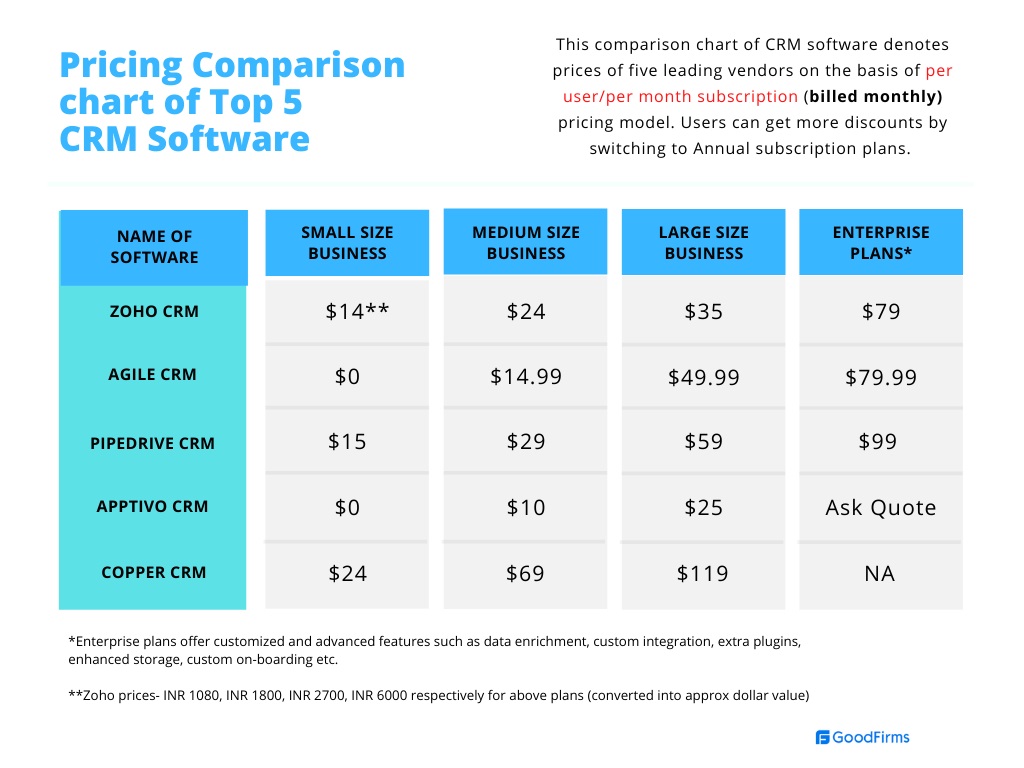
Comparing Salesforce CRM pricing with competitors
When it comes to CRM pricing, Salesforce stands out as a market leader, but how does it compare to its competitors in the industry?
Key Differences in Pricing Structures
- While Salesforce CRM is known for its tiered pricing based on features and functionalities, some competitors may offer a more straightforward pricing model with a flat rate.
- Competitors might focus on specific industries or business sizes, offering tailored pricing plans, whereas Salesforce caters to a wide range of businesses with its customizable options.
- Some CRM providers may include add-ons or integrations in their base pricing, while Salesforce may offer these as separate modules with additional costs.
Value Proposition of Salesforce CRM
- Salesforce CRM is renowned for its user-friendly interface, robust features, and extensive integration capabilities, making it a popular choice among businesses seeking a comprehensive CRM solution.
- Despite its higher price point compared to some competitors, Salesforce CRM offers a high level of scalability, customization, and customer support, which can justify the investment for many organizations.
Why Businesses Choose Salesforce
- Businesses often opt for Salesforce CRM due to its reputation as a market leader, reliability, and constant innovation in the CRM space.
- The wide array of integrations, third-party apps, and community support available with Salesforce also contribute to its appeal among businesses looking for a versatile CRM platform.
Pricing transparency in Salesforce CRM
In the realm of CRM services, pricing transparency plays a crucial role in building trust with customers and ensuring satisfaction. Let’s delve into how Salesforce CRM fares in terms of pricing transparency and its impact on the industry.
Challenges in Pricing Transparency
When it comes to pricing transparency, Salesforce has faced criticism for its complex pricing structure, making it challenging for customers to understand the total cost upfront. The presence of hidden fees or additional costs further complicates the pricing transparency aspect.
Comparing with Industry Standards
Compared to industry standards, Salesforce CRM’s pricing transparency may fall short in terms of simplicity and clarity. Other CRM companies have excelled in providing straightforward pricing information, setting a benchmark for transparency in the industry.
Recommendations for Improvement
To enhance pricing transparency, Salesforce can consider simplifying its pricing structure, clearly outlining all costs involved, and eliminating any hidden fees. Providing detailed breakdowns of pricing components can also help customers make informed decisions.
Impact on Customer Trust and Satisfaction
Clear communication of pricing information is essential for fostering trust and satisfaction among customers. Lack of transparency can lead to skepticism and dissatisfaction, impacting the overall customer experience and relationship with the CRM provider.
Best Practices in Pricing Transparency
Successful CRM companies prioritize pricing transparency by offering simple pricing models, detailed breakdowns of costs, and proactive communication with customers. By following these best practices, CRM providers can build stronger relationships with their clients.
Role of Customer Feedback
Customer feedback plays a pivotal role in shaping pricing transparency strategies for CRM services. By listening to customer concerns and suggestions, CRM providers can refine their pricing structures and communication methods to meet the evolving needs of their clients.
Customer reviews on Salesforce CRM pricing
Customer feedback on Salesforce CRM pricing plays a crucial role in shaping perceptions and decisions. Here is a summary of what customers have to say:
Common praises and complaints
- Many customers praise Salesforce CRM for its feature-rich packages and scalability, stating that the pricing is justified by the value it delivers.
- Some customers, however, have raised concerns about the high initial costs and additional expenses for customization and integrations.
- Others appreciate the transparent pricing structure but find it difficult to navigate the various pricing tiers and understand the full cost implications.
Impact on customer satisfaction
The pricing of Salesforce CRM can significantly impact overall customer satisfaction. Businesses that find the pricing fair and aligned with their needs tend to be more satisfied with the CRM solution, leading to higher retention rates and positive reviews.
Examples of businesses reviews
| Positive reviews | Negative reviews |
|---|---|
| Company A: “Salesforce CRM pricing may seem high at first, but the value we have gained from the platform far exceeds the cost. It has transformed our sales processes and boosted productivity.” | Company B: “We struggled with the hidden costs associated with Salesforce CRM pricing. The initial quote did not include essential features, leading to unexpected expenses.” |
Case studies on Salesforce CRM pricing success stories
In the realm of Salesforce CRM pricing success stories, businesses have showcased remarkable achievements in terms of ROI and overall growth. Let’s delve into some compelling case studies that highlight the pivotal role pricing played in their success.
Business A: Small Business Success
- Small Business A implemented Salesforce CRM with a tiered pricing model, aligning features with their specific needs.
- Through effective pricing strategies, they achieved a 30% increase in customer acquisition within the first year.
- Customer retention rates improved by 20% due to personalized pricing packages tailored to individual client requirements.
Business B: Medium Business Expansion
- Medium Business B opted for a usage-based pricing model that allowed flexibility in scaling up as the business grew.
- By leveraging dynamic pricing based on usage metrics, they saw a 25% increase in revenue within six months of CRM implementation.
- Their pricing strategy led to a 15% reduction in customer churn, enhancing long-term profitability.
Business C: Large Enterprise Transformation
- Large Enterprise C adopted a value-based pricing model, focusing on delivering ROI to clients through premium features and services.
- This approach resulted in a significant 40% boost in average deal size and a 35% increase in customer lifetime value.
- By offering customized pricing packages to key accounts, they achieved a 50% growth in enterprise-level contracts.
Salesforce CRM pricing for startups and small businesses
Startups and small businesses often have unique needs when it comes to CRM solutions, and Salesforce recognizes that by offering pricing plans tailored specifically for them. These specialized pricing options are designed to be more affordable and flexible, allowing startups and small businesses to access the powerful tools and features of Salesforce CRM without breaking the bank.
Key Features of Salesforce CRM Pricing for Startups and Small Businesses
- Lower entry-level pricing options to accommodate limited budgets.
- Scalable pricing plans that can grow as the business expands and requires more advanced features.
- Customizable packages to fit the specific needs and size of startups and small businesses.
- Access to essential CRM tools like lead management, contact tracking, and pipeline management.
Table: Key Differences in Salesforce CRM Pricing Tiers for Startups and Small Businesses
| Features | Basic Plan | Standard Plan | Premium Plan |
|---|---|---|---|
| Lead Management | ✓ | ✓ | ✓ |
| Contact Tracking | ✓ | ✓ | ✓ |
| Pipeline Management | ✓ | ✓ | ✓ |
| Customization Options | Basic | Advanced | Premium |
“At Salesforce, we understand the challenges faced by startups and small businesses. That’s why our pricing model is designed to be flexible and affordable, ensuring that every business, regardless of size, can benefit from our CRM solutions.” – Salesforce Representative
Salesforce CRM pricing for enterprise-level organizations
When it comes to catering to the needs of large enterprise organizations, Salesforce CRM offers specialized pricing options that align with their scale and requirements. Let’s delve into the details of Salesforce CRM pricing for enterprise-level customers.
Pricing Options for Large Enterprise Customers
- Enterprise Edition: Salesforce offers an Enterprise Edition tailored to meet the complex demands of large organizations. This edition includes advanced features such as advanced reporting, workflow automation, and customization options.
- Unlimited Edition: For organizations with extensive customization needs and large user bases, the Unlimited Edition provides unlimited custom objects, unlimited customer portals, and 24/7 premier support.
Features and Services Included in Enterprise-Level Pricing Plans
- Advanced Security Features: Enterprise customers benefit from enhanced security measures to protect their valuable data.
- Dedicated Support: Salesforce offers dedicated account managers and support teams to assist enterprise customers with their specific needs.
Comparison with Standard Plans
- Scalability: Enterprise pricing plans are designed to accommodate a larger number of users and extensive customization requirements compared to standard plans.
- Customization Options: Enterprise plans offer more flexibility for customization and integration with other systems.
Examples of Enterprise Organizations Benefiting from Salesforce CRM
Large enterprises such as Coca-Cola, Toyota, and American Express have successfully leveraged Salesforce CRM to streamline their sales, marketing, and customer service operations on a massive scale. These organizations have seen significant improvements in productivity, customer satisfaction, and revenue growth.
Training and support costs in Salesforce CRM pricing
Training and support costs play a crucial role in the overall pricing of Salesforce CRM. Businesses need to factor in these expenses to ensure successful implementation and utilization of the CRM platform.
Availability of Training Resources and Costs
- Salesforce offers a variety of training resources, including online tutorials, webinars, workshops, and certification programs.
- The costs associated with these training resources can vary, with some basic online tutorials being free and certification programs requiring an investment.
Optimizing Training and Support Expenses
- Businesses can optimize training and support costs by identifying specific training needs for different user levels and investing in targeted resources.
- Regularly assessing the effectiveness of training programs and adjusting them as needed can help in maximizing the return on investment.
Effective Management of Training and Support Costs
- Businesses like XYZ Corp have effectively managed training and support costs by creating a comprehensive training plan and leveraging internal resources for user support.
- By focusing on empowering users to become CRM champions within the organization, businesses can reduce the need for extensive external training and support.
Types of Training Offered by Salesforce
- Salesforce offers training for administrators, developers, and end-users, with tailored programs for each user group.
- Training programs range from basic user tutorials to advanced developer courses, catering to the diverse needs of Salesforce users.
Certification Paths and Costs
- Salesforce provides certification paths for professionals looking to validate their expertise in using the platform.
- The costs of certification exams can vary depending on the level of certification, with higher-level certifications typically requiring a higher investment.
Integrating Ongoing Support into CRM Implementation Budget
- Best practices for integrating ongoing support into the initial CRM implementation budget include allocating a portion of the budget for post-implementation support and training.
- By setting aside funds for ongoing support, businesses can ensure that users receive the necessary assistance to maximize the benefits of Salesforce CRM.
In-Person Training vs. Online Training
- When comparing the cost-effectiveness of in-person training sessions versus online training modules, businesses should consider factors like travel expenses, time commitment, and the effectiveness of learning outcomes.
- Online training modules may offer a more flexible and cost-effective option for businesses with remote teams or limited training budgets, while in-person training sessions can provide more personalized support and interaction.
Renewal and upgrade processes in Salesforce CRM pricing
Renewing and upgrading pricing plans with Salesforce CRM is a crucial aspect of maintaining an efficient and cost-effective CRM solution. It involves understanding the process, impact on pricing, incentives, and best practices for managing renewals and upgrades.
Renewal Process
- Renewing pricing plans with Salesforce typically involves contacting your account manager or Salesforce representative to discuss renewal options.
- You may review your current plan, assess your needs, and negotiate any changes in pricing or features for the upcoming renewal period.
- It is essential to start the renewal process well in advance to ensure a smooth transition and avoid any disruptions in service.
Upgrade and Downgrade Impact
- Upgrading or downgrading your Salesforce CRM plan can impact pricing based on the additional features or reduced functionality included in the new plan.
- Upgrades may result in higher pricing, but they can provide access to advanced functionalities that can benefit your business operations.
- Downgrades may lead to cost savings, but it is crucial to ensure that the reduced features still meet your business requirements.
Incentives and Discounts
- Salesforce may offer incentives or discounts during the renewal or upgrade process to encourage customers to commit to longer-term contracts or higher-tier plans.
- Discounts may also be available for loyal customers, non-profit organizations, or during promotional periods.
- It is advisable to inquire about any available discounts or incentives to maximize cost savings during the renewal or upgrade process.
Best Practices for Renewals and Upgrades
- Regularly assess your CRM needs and evaluate whether your current plan aligns with your business objectives.
- Engage in proactive discussions with your Salesforce representative to explore available options and negotiate favorable terms during the renewal process.
- Consider long-term contracts or bundling services to secure better pricing and additional benefits for your organization.
Future trends in Salesforce CRM pricing
As the landscape of CRM software continues to evolve, it is essential to consider the future trends in Salesforce CRM pricing to stay competitive and meet the changing needs of customers.
Impact of subscription-based pricing
Subscription-based pricing models have become increasingly popular in the software industry, including Salesforce CRM. This approach offers flexibility to customers, allowing them to scale their usage based on their needs while also providing a predictable cost structure for businesses.
Role of artificial intelligence in dynamic pricing
Artificial intelligence (AI) is expected to play a significant role in shaping dynamic pricing strategies for Salesforce CRM. By leveraging AI algorithms, companies can analyze vast amounts of data to optimize pricing based on market demand, user behavior, and other factors, leading to more personalized and competitive pricing options.
Influence of customer data integration on personalized pricing
Integrating customer data within Salesforce CRM can enable businesses to offer more personalized pricing options. By capturing and analyzing customer information, companies can tailor pricing strategies to individual preferences, improving customer satisfaction and loyalty.
Comparative analysis and potential changes
Continued competition in the CRM market will likely drive further changes in Salesforce CRM pricing. Companies will need to regularly assess and adjust their pricing strategies to remain competitive, potentially leading to more innovative pricing models and offerings to differentiate themselves from competitors.
Outcome Summary
As we conclude our exploration of Salesforce CRM pricing, it becomes evident that understanding the intricacies of costs and customization options is paramount for businesses seeking growth and efficiency in their operations.
